Caleb Turner
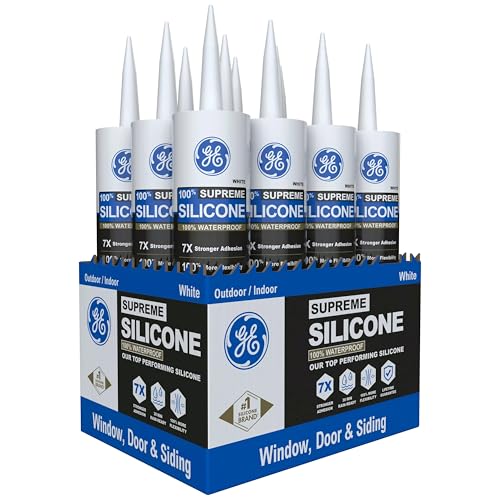
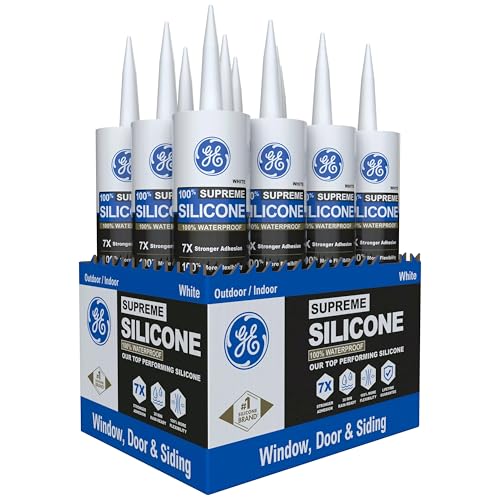
I recommend sealing all entry points to keep your upper space clear of unwanted inhabitants. Check for gaps or cracks in the roofing, ventilation, and eaves. Use caulk or weather stripping to fill any openings where critters might gain access.
Regular maintenance is essential. Inspect the exterior of your home frequently, especially during the warm months when these insects are most active. Trim back trees and shrubs that touch your dwelling, as they can serve as bridges for these insects.
Consider using natural repellents like peppermint oil or vinegar around potential entry spots. These substances deter many types of insects without using harsh chemicals, making them a safe option for your living space.


Finally, if you spot any signs of infestation, such as small debris or paper-like material that could indicate a colony, act quickly. Contact pest control professionals who can handle the situation safely and effectively, ensuring a risk-free environment in your home.
Measures to Deter Insect Colonization in Attics
Regular inspections of the attic are essential. I conduct thorough checks, focusing on any gaps, cracks, or openings that could serve as entry points. Sealing these vulnerabilities with caulk or weatherstripping significantly reduces the chance of intruders.
- Keep the attic clean and free from food sources. I ensure that any leftover materials or spills are promptly cleaned.
- Install screens on vents and openings. This addition acts as a barrier while allowing ventilation.
- Use decoy nests. I have discovered that hanging imitation habitats can discourage new colonies from establishing themselves, as many insects are territorial.
- Consider natural repellents. I often use essential oils like peppermint and eucalyptus, which are known to repel these creatures when used in a diffuser or mixed with water and sprayed in areas prone to invasion.
Monitoring Techniques
Regularly monitor the situation by observing activity around potential entry points, especially in early spring, when scouts are searching for nesting sites. Keeping a watchful eye allows me to take swift action if any signs of settlement appear.
- Install motion-activated lights to deter foraging.
- Maintain foliage around the building by trimming overhanging branches.
Finally, consider professional pest management services when necessary, especially if I notice an influx of activity. Collaborating with experts ensures a comprehensive approach to keeping my space secure from uninvited guests.
Identifying Common Wasp Species in Your Area
To manage unwanted visitors, recognizing local species is crucial. I focus on three prevalent types: the common yellow jacket, the paper wasp, and the hornet.
The common yellow jacket is identifiable by its black and yellow coloring. They are often found in small, underground colonies or within wall cavities. I usually notice them around food sources, as they are attracted to proteins and sugars during late summer.
Paper wasps are slightly more elongated and have a unique hourglass shape. Their nests resemble open umbrellas and are typically located in sheltered areas like eaves or overhangs. I observe them working quietly, gathering materials to expand their hives.
Hornets, larger than the others, often have a more robust appearance with brown and yellow stripes. Their indicative nests are round and can be hung from trees or structures. When I spot these nests, caution is essential, as hornets can be more aggressive when disturbed.
By familiarizing myself with these varieties, I can take appropriate measures to minimize interactions and ensure a safe environment.
Assessing Your Loft for Potential Nesting Sites
Examine all corners and hidden spaces in your upper space thoroughly. Look for any gaps or cracks in the walls, ceiling, or roof where insects might gain entry. Pay particular attention to areas around vents, chimneys, and pipes, as these are common access points.
Inspect insulation materials and examine the frameworks for signs of previous infestations or potential shelter. If there are any signs of wear or damage, this could attract unwanted visitors.
Identify and remove any unused items or debris. Clutter can provide excellent hiding spots, making the area more appealing for habitation. Keeping the space organized can significantly reduce the chances of any unwanted occupancy.
Ensure there are no standing water sources nearby, as moisture can attract various types of creatures. Fix any leaks and cover any openings that might lead to rainwater accumulation.
Consider the type of building materials used in your space. Wood and cardboard are more inviting for these creatures compared to metal or plastic. Assessing the materials can help in determining if modifications are necessary.
Finally, regularly monitor your upper area, especially during late summer and early autumn when activity peaks. Early detection can make all the difference in managing any potential intruders effectively.
Sealing Entry Points to Deter Wasps
Identify potential access spots, such as gaps around pipes and vents, as these are frequent entry points for stinging insects. Consider using silicone caulk or weather-stripping to seal these areas. Pay special attention to openings larger than a quarter-inch, as they provide ample space for insects.
Recommended Sealing Materials
Utilize the following materials for effective sealing:
| Material | Application |
|---|---|
| Silicone Caulk | Fill gaps around windows, doors, and utility lines. |
| Steel Wool | Plug holes; an excellent barrier against larger pests. |
| Flexible Foam Sealant | Great for larger cracks and crevices. |
| Mesh Wire Screens | Cover vents and chimneys to block entry. |
Inspection Tips
Conduct regular inspections of the property to find new vulnerabilities. Ensure that window screens are intact and that doors close tightly. Repair any damaged fixtures to minimize opportunities for unwelcome guests. An attentive approach to sealing will significantly reduce the chance of infiltration.
Removing Food Sources from the Loft
Eliminate all potential food sources to deter unwanted insects within your attic space. Begin by inspecting stored items for residues or spills, particularly in containers or packaging that may attract attention. Ensure that food items are sealed tightly and utilize airtight bins for storage.
Regularly clean the area, paying close attention to corners and behind appliances, as crumbs and waste can accumulate unnoticed. Dispose of any expired or unwanted food products promptly.
Consider placing traps away from the main storage areas to monitor any activity and remove any insects that may be drawn in. Strong fragrances can sometimes attract unwelcome critters, so keep aromatic items contained or eliminate them where possible.
Avoid leaving pet food out for extended periods. Feeding pets in a designated area and cleaning up promptly afterward can significantly help in minimizing attraction.
Check for any existing leaks or moisture sources, as these can provide an inviting environment for various pests. Keeping the attic dry and well-ventilated also aids in reducing potential attraction.
Using Natural Repellents to Keep Wasps Away
One of the most effective methods I’ve found to deter these insects involves using natural deterrents. Here are some specific ingredients you can utilize:
- Peppermint oil: This aromatic oil is known to repel many insects. Mix a tablespoon of peppermint oil with water in a spray bottle and apply it around entry points and potential nesting areas.
- Citrus peels: The scent of citrus is unappealing to many flying insects. Placing orange, lemon, or lime peels in and around areas can help create a barrier.
- Vinegar: A mixture of vinegar and water can act as a natural insecticide. Spray it in areas where you’ve noticed activity, but avoid spraying directly on plants you wish to keep.
- Cucumber slices: Placing cucumber slices near the targeted areas can deter because its scent is off-putting for these insects.
Creating Natural Barriers
In addition to using repellents, I create physical barriers by planting certain herbs around my property:
- Basil: This herb is not only useful in the kitchen but also helps keep these insects at bay.
- Thyme: Similar to basil, thyme releases a scent that’s unfavorable for unwanted visitors.
Essential Oils Combination
I often combine various essential oils to increase effectiveness. A blend of peppermint, clove, and geranium oils in a spray can provide a robust barrier against intruders. Use the same method as with peppermint oil:
- Combine 10-15 drops of each oil in a spray bottle with water.
- Shake well before each use.
- Apply generously around areas of concern.
Maintaining these practices can significantly reduce the likelihood of unwanted visitors. Regular reapplication is necessary, especially after rain or strong winds.
Setting Up Traps Before Nests Develop
I recommend placing traps early in the season to reduce the likelihood of an infestation. Use commercially available traps specifically designed for stinging insects. Position them around the perimeter of the building, focusing on areas where activity is high.
Opt for traps that use attractants such as sugar water or specific pheromones that appeal to these insects. Ensure that you follow the product instructions closely to maximize their effectiveness.
Check the traps regularly, at least once a week. Dispose of captured insects and refill bait as necessary to maintain an enticing environment for those seeking food sources.
Additionally, consider making homemade traps. A simple mixture of sugar, vinegar, and dish soap in a bottle can serve as an effective lure. Cut the top off a plastic bottle, invert it, and place it back inside, creating a funnel that allows easy access while preventing escape.
By proactively managing the population with traps, I can significantly lower the chances of a breeding ground establishing itself in unwanted areas, such as my attic or adjoining spaces.
Regular Inspections for Early Nest Detection
I recommend scheduling inspections every few weeks, especially during late spring and early summer when these creatures are most active. Focus on locations where potential nesting sites might exist, such as eaves, attic corners, and hidden areas within the structure.
What to Look For
- Watch for any signs of entrance points–holes or gaps in the building’s exterior.
- Look for wasp activity; noticing individuals entering or exiting a specific area can indicate a problem.
- Inspect for physical signs of nest construction, such as paper-like material near potential nesting zones.
Tools for Effective Monitoring
- Use a flashlight for darker areas to uncover hidden locations.
- Keep binoculars handy to observe high places without disturbing the area.
- Note down any changes in activity or new sightings; this can help identify patterns or growth.
By maintaining a consistent inspection schedule, I can proactively address issues before they escalate, ensuring a safer and more comfortable environment.
When to Call Professional Pest Control
If I notice a significant infestation or multiple active hives, I seek expert help immediately. Recognizing the limits of my own abilities is key. This becomes crucial, especially if someone in my household has allergies to insect stings. A single encounter can lead to serious health risks, so addressing these concerns swiftly is necessary.
If I encounter a large colony, the threat escalates. Professionals have the right equipment and training to handle such situations safely. I avoid DIY methods that could provoke aggressive behavior from these insects. If any structural damage or risk of injury arises from trying to eliminate them myself, I don’t hesitate to call in specialists.
In cases where nests are located in hard-to-reach areas, their expertise is invaluable. I also consider reaching out if damage to property could result from an ongoing problem. Timeliness can prevent further issues, ensuring safety and peace of mind.
If I have tried various deterrents unsuccessfully, bringing in a professional can provide targeted solutions based on my specific circumstances. Their tailored approach often results in effective management of unwanted visitors, minimizing disruption to my space.
Maintaining a Wasp-Free Loft Throughout the Year
Regular maintenance is key to keeping unwanted stingers at bay. A seasonal routine minimizes risks effectively. Here’s a detailed approach.
| Season | Action Item | Description |
|---|---|---|
| Spring | Conduct Thorough Inspection | Check for any signs of previous residents or potential nesting areas. Early identification helps mitigate issues later on. |
| Spring | Seal Off Entryways | Apply caulk or weather stripping to gaps and cracks around windows and doors. This limits access to sheltered spaces. |
| Summer | Monitor Food Sources | Ensure no food remnants or attractants are left behind. Regular cleaning keeps areas appealing for habitation. |
| Summer | Deploy Traps | Utilize traps early in the season. Setting them up around the property captures any scouts before they find a suitable environment. |
| Fall | Assess for Nests | Inspect any shelters for new constructions. Early detection is crucial to prevent any takeover for the next spring. |
| Fall | Remove Potential Sites | Clear away debris, cardboard, or other materials that might attract nesting behaviors. Maintaining a clean area discourages future occupancy. |
| Winter | Repair Damage | Inspect for and repair any structural damage that could allow access. Maintain seals and ensure no openings are available. |
| Winter | Evaluate Surroundings | Consider landscaping changes. Keep vegetation well-trimmed to prevent convenient sheltering spots. |
Sticking to a seasonal plan ensures that hostile creatures are deterred consistently. Following these guidelines throughout the calendar year creates an unwelcoming situation for future invaders.