Caleb Turner

Begin with a solid plan. Measure the available space carefully, taking into account ceiling height and any furniture that may obstruct movement. A compact elevated sleeping area typically requires minimal floor space, allowing for efficient use of the room.
Choose sturdy materials that can support weight without compromising safety. Premium wood or a robust metal frame works best for stability and durability. When cutting the materials, ensure precise measurements to avoid any structural vulnerabilities.


Install the support beams first, securing them tightly to the walls for added strength. Create a stable platform using horizontal slats, evenly spaced to provide reliable support for the mattress. Pay close attention to detailed assembly instructions to ensure strength and safety in the design.
Add personal touches to the elevated space by integrating storage solutions like built-in shelves or drawers below the platform. This not only maximizes functionality but also enhances the overall aesthetic of the room. Don’t forget to incorporate safety features, such as guardrails, to prevent accidents during use.
Choosing the Right Materials for Your Mini Loft Bed
I recommend using plywood for the frame due to its strength and lightweight properties. A thickness of at least ¾ inch provides stability while keeping weight manageable.
For the ladder, use solid wood like pine or birch. It’s durable and can handle significant weight with proper construction. Ensure the steps are at least 12 inches apart for comfortable climbing.
Use high-quality screws–look for wood screws rated for structural applications. A minimum length of 2.5 inches will secure joints effectively. For added stability, consider using corner brackets.
For the mattress support, slats made from pine spaced 3 inches apart will ensure proper airflow and support the mattress without sagging. A layer of plywood can also be utilized for a more even surface.
Choose a finish that is non-toxic and suitable for children, such as water-based polyurethane or natural oils, ensuring safety and durability. This will also enhance the aesthetics of the build.
Lastly, reinforce any areas that will bear weight, such as joints and corners, with metal fasteners or additional supports to prolong the lifespan of the structure.
Measuring Your Space for a Perfect Fit
Begin with precise measurements of the room. Use a tape measure to determine the width, length, and height of the area where the elevated sleeping structure will reside. Ensure accuracy to avoid potential issues during assembly.
Consider Minimum Height Requirements
Evaluate the vertical clearance needed. Ensure at least 30 inches between the top of the structure and the ceiling for comfortable sitting and movement. This space prevents accidents and ensures accessibility.
Identify Available Floor Space
Measure the area on the floor. Leave adequate room around the elevated frame for daily activities and to accommodate other furniture. A footprint of at least 3 feet by 6 feet generally works well but adjust based on your layout.
Mark the dimensions on the floor using masking tape, allowing visualisation of how the new piece will fit and impact the room’s flow. Check for any obstructions such as light fixtures or vents that could affect the installation.
Once all measurements are confirmed, you can confidently proceed to design or gather materials, ensuring the final product complements your living environment perfectly.
Selecting the Right Design Style
Consider a design that complements your existing decor. If your space features a modern aesthetic, opt for sleek lines and minimalist structure. For a rustic vibe, reclaimed wood or distressed finishes can add warmth and character.
Incorporate functionality into your design. If the area serves multiple purposes, a style that allows storage and workspace integration would be ideal. Open shelves or a built-in desk can enhance usability while maintaining visual appeal.
Choose a color palette that harmonizes with the surroundings. Light and neutral tones create an airy feel, while darker shades add sophistication. Remember to align the style with the age and interests of the user; youth-oriented themes might include playful elements or bold colors.
Pay attention to scale. Ensure that the proportions of the structure align with the dimensions of the room. A bulky frame can overwhelm a small area, while overly delicate designs may lack presence in a larger space.
Incorporate personal touches. Custom features like unique railings or decorative accents can make the installation stand out and reflect individual taste. Consider themes such as industrial, bohemian, or Scandinavian for inspiration.
Evaluate your budget. Different styles come at varying price points. While elaborate designs may appeal to aesthetics, sometimes simple constructions deliver both beauty and functionality without excessive expenditure.
Step-by-step assembly instructions
Begin with a clean workspace, organizing all tools and components. The key tools include a drill, screwdriver, measuring tape, and level. Gather the essential parts: wooden frames, slats, screws, and legs.
Frame assembly
1. Lay the side rails and end panels on the floor, ensuring they form a rectangle. Use a measuring tape to confirm proper dimensions. Align the edges precisely.
2. Secure the corners using screws. Pre-drill holes to prevent wood from splitting. Tighten screws gently, avoiding over-tightening that could damage the wood.
Support installation
3. Install support beams between the side rails. Space them evenly according to the design. Ensure they are level and perpendicular to the side rails.
4. Place the slats across the support beams. Leave small gaps for ventilation. Secure each slat with screws to prevent movement while in use.
| Component | Quantity |
|---|---|
| Side rails | 2 |
| End panels | 2 |
| Support beams | 3-4 depending on design |
| Slats | 5-10 depending on width |
| Screws | Enough for assembly |
5. Attach legs to each corner. Ensure they are vertical, using a level for accuracy. Fasten with screws, reinforcing stability.
6. Once the structure is complete, check for sturdiness. Shake gently to confirm everything is secure. Make adjustments if necessary before using.
Ensuring Safety Features in Your Elevated Sleeping Structure
Install sturdy guardrails on both sides to prevent accidental falls. The height of these barriers should be at least 5 inches higher than the mattress to ensure safety during sleep.
Sturdy Ladder and Access
Choose a ladder that is secure and wide enough for comfortable use. Consider incorporating handrails on either side to enhance stability while climbing or descending.
Stable Foundation
Ensure that the base is securely anchored to the ground or wall. Use brackets and screws for stability, and check that all joints are tight and free from wobbling. Regularly inspect the structure to identify any wear or damage.
Maximizing Storage Space Underneath Your Elevated Sleeping Unit
Utilizing the area beneath the elevated structure can significantly enhance organization and functionality. Start by incorporating open shelving units. These not only provide storage but also allow easy access to frequently used items.
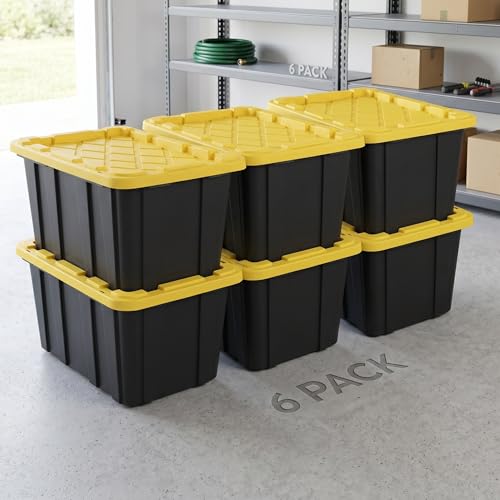
Consider storage bins in various sizes. Opt for clear containers to easily identify contents or color-coded bins for categorization. Stacking these bins will maximize vertical space, making the most of every inch available.
Incorporate a desk or workspace under the frame. This arrangement fosters a productive environment and utilizes space efficiently. Use a fold-down desk design to conserve space when not in use.
Hanging organizers are effective for storing small items such as books or craft supplies. Mount a pegboard to the wall for added versatility. Hang tools, art supplies, or even plants for a cozy touch.
Assembly of a curtain rod allows for a stylish separation of space. Hang curtains to conceal clutter, creating a serene atmosphere. This can transform the under-area into a private nook for relaxation or hobbies.
Lastly, consider building a small closet or wardrobe with sliding doors. This can provide ample hanging space for clothes and a clean look. Use baskets or drawers inside for additional organization.
Finishing and Decorating Your Mini Loft Bed
The finishing touches and decoration can significantly elevate the look and functionality of your elevated sleeping solution. Here are some specific recommendations to consider:
- Paint and Stain: Choose a color or stain that complements your room’s aesthetic. Commercially available paints and stains can add character. Using a sealant after painting can protect the wood.
- Textiles: Select bedding that reflects your style. Opt for vibrant patterns or soft textures. Pillows and throws can introduce comfort and additional color.
- Wall Art: Create a lively environment by adding artwork or posters close to the perch. Hooks can be used to hang accessories or decorative items, maximizing wall usage.
Consider incorporating a few functional elements:
- Fairy Lights: String lights around the perimeter of the structure for a cozy ambiance. Ensure they are safely attached and do not pose any fire risks.
- Under-Bed Storage: Invest in sleek bins or baskets that fit under the platform. This clever solution hides clutter while keeping essentials easily accessible.
Personalization is key; feel free to include:
- Photos: Create a photo collage on one side to give a personal touch and warmth.
- Themed Decor: If you have specific interests, such as travel or nature, incorporate elements that resonate, like maps or plants.
Completing the design with calming lighting or a small shelf for books adds practicality. Choose accessories that reflect your style while maintaining a balanced and inviting atmosphere in your space.