Caleb Turner
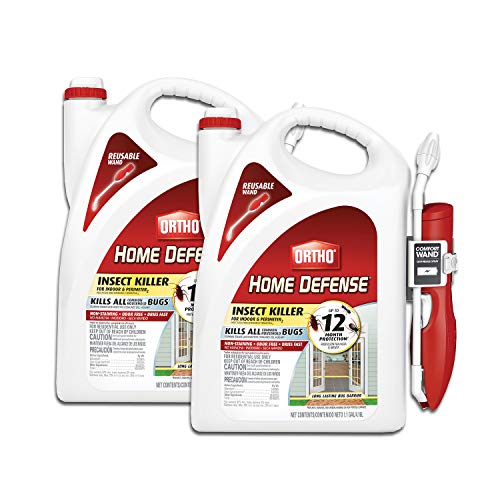
To immediately address the issue of unwanted pests in the upper spaces of your home, I recommend using a combination of vacuuming, sealing entry points, and applying insecticides specifically designed for indoor use. Regularly vacuuming these insects with a strong suction device can significantly reduce their numbers, as it captures them directly from surfaces and hidden corners.
Following this, examine your attic or top floor for any gaps or cracks where these creatures may enter. Seal these openings with caulk or other suitable materials to prevent further invasions. This proactive approach minimizes future infestations and protects your living environment.
For the final step, consider using targeted sprays or traps that are safe for indoor application. Look for products containing pyrethrins or other insecticidal ingredients that effectively eliminate these nuisances. Ensure proper ventilation during application to maintain air quality. By consistently implementing these strategies, you can enjoy a more peaceful and pest-free upper area in your home.
Identifying Insects in Your Attic
Recognize the presence of these insects by observing their physical characteristics. Typically, they are larger than common houseflies, measuring about 8-10 mm in length. Their bodies are grayish with faint golden sheen and feature noticeable yellowish-green eyes. Pay attention to their behavior during warmer months; they cluster around warm surfaces or light sources.


Signs to Look For
Search for droppings or leftover exuviae as indicators of infestations. Notice clusters in corners, window sills, or areas that receive sunlight. A characteristic odor may emanate from their bodies, which can help differentiate them from other species.
Seasonal Activity
These insects are most active in late summer and fall, often seeking shelter for the winter. Their presence may increase during this period, prompting a closer inspection of your attic. During warmer days, they may become more evident as they attempt to escape the confined space.
Choosing the Right Insecticide for Cluster Flies
For dealing with these unwanted guests, I recommend selecting an insecticide that contains either pyrethroids or carbamates, as they provide effective results against this type of pest. Ensure the product is specifically labeled for use against the species you’re targeting.
Key Ingredients to Look For
- Pyrethroids: Fast-acting and potent, they disrupt the nervous system of insects.
- Carbamates: These compounds inhibit essential enzymes, providing reliable control.
- Insect Growth Regulators (IGRs): Useful in breaking the lifecycle by preventing the development of larvae.
Application Tips
- Read instructions thoroughly before usage to ensure proper application.
- Wear appropriate protective gear, such as gloves and a mask, during application.
- Target areas where these pests are likely to rest, such as windowsills, light fixtures, and corners.
- Reapply as needed, particularly after heavy cleaning or rain, which may wash away the treatment.
Remember, integrating preventive measures such as sealing entry points and maintaining cleanliness enhances the effectiveness of the chosen insecticide.
Using Traps to Control Cluster Fly Populations
I recommend setting up traps specifically designed for these insects. These traps typically use attractants to lure in unwelcome pests. The bait can include food sources or pheromones that draw them in. Once inside, they cannot escape due to the design of the trap.
For maximum effectiveness, position traps in areas where you’ve noticed a higher concentration of these intruders. Pay attention to windows and dark corners where they tend to gather. Placing traps near sources of light, such as lamps or windows, can also yield better results.
Using glue traps is another viable method. These adhesive-based traps capture any insect that lands on them, providing a straightforward solution. However, ensure that pets and children do not have access to these traps to avoid any accidents.
Regularly monitor the traps to determine their effectiveness and replace or reposition them as necessary. Keeping track of which areas yield the best results can help in future pest control efforts.
Combining traps with other control methods is advisable for improved outcomes. This integration allows a more comprehensive approach to managing the population of these insects. Consistency and persistence are key to reducing their numbers significantly.
Implementing Natural Remedies for Cluster Flies
I recommend using essential oils as a deterrent. A mixture of peppermint and eucalyptus oils can repel these pests. Mix a few drops of each oil with water in a spray bottle, and apply it around entry points and areas where you’ve spotted them.
Herbal Solutions
Try placing dried herbs like mint, lavender, or bay leaves around your space. These plants emit scents that can keep nuisances away. You can create small sachets filled with these herbs and hang them in corners or near windows.
Homemade Traps
A simple homemade mixture of sugar, vinegar, and water can be highly effective. Combine two cups of water, half a cup of sugar, and half a cup of vinegar in a shallow dish. The scent will attract intruders, and they will become trapped. Refill the trap as needed to maintain its effectiveness.
Incorporating these natural remedies not only helps manage the situation but also avoids harmful chemicals, making it a safer option for your living environment.
Sealing Entry Points to Prevent Fly Infestations
Begin with inspecting areas where pests may enter. Check window frames, doors, and foundation cracks. Apply weather stripping to gaps around windows and use door sweeps for exterior doors. Ensure that vents are equipped with fine mesh screens to block small openings.
Consider sealing cracks and crevices with caulk or expandable foam. Pay particular attention to plumbing fixtures and electrical outlets, where spaces can often go unnoticed. Utilize hardware cloth to cover larger openings in attics and eaves.
Inspect for holes in screens and replace any damaged mesh. This will prevent access even when windows are open for ventilation. Regularly monitor these areas, as deterioration over time can create new vulnerabilities.
Conduct seasonally-based inspections before peak periods of activity to reinforce defenses. An ongoing maintenance approach helps ensure minimal risks of invasion, keeping living spaces protected.
Cleaning and Maintaining Loft Areas to Discourage Flies
Regular maintenance of attic spaces is paramount. I recommend performing a thorough inspection at least twice a year. Focus on dust accumulation, webs, and organic materials that might attract unwanted insects.
Start by clearing out any debris, old furniture, or items that are no longer needed. These can provide breeding grounds. Wipe surfaces with a mixture of vinegar and water to eliminate residues. This solution not only cleans but also deters insects due to its strong scent.
Ensure proper ventilation within the space. Stagnant air can create a favorable environment. Installing vents or keeping windows open will help. I also suggest using a dehumidifier to maintain moisture levels below 50%.
Address any leaks or water ingress immediately. Flies are often drawn to moisture, and damp areas can become breeding sites. Inspect insulation for any signs of water damage, and replace as necessary.
To organize the loft, consider using plastic bins with airtight lids. This will not only keep items protected from pests but also simplify future inspections.
A regular schedule for light maintenance checks can be useful. I keep a checklist to ensure I don’t overlook crucial tasks. Here’s a simple table to help structure these tasks:
| Task | Frequency | Notes |
|---|---|---|
| Dusting and cleaning surfaces | Every 3 months | Use vinegar solution |
| Inspect for leaks | Every 6 months | Check especially after rainfall |
| Maintain ventilation | Continuous | Open windows or install vents |
| Organize and declutter | Every 6 months | Use bins with tight lids |
Following these steps yields a less inviting environment for unwanted pests. Keeping attics clean and well-maintained can significantly reduce the likelihood of infestations.
When to Call Professional Pest Control Services
If the measures taken to manage the pest situation do not yield results within a reasonable time frame, it’s time to enlist professional help. The following scenarios warrant contacting experts:
- Severe Infestation: If numbers have surged beyond what DIY methods can handle, professional intervention becomes necessary.
- Repeated Problems: Continuous sightings after multiple attempts at control indicate an underlying issue that might need specialized treatment.
- Health Concerns: The presence of any insect can pose health risks; if anyone in the household is affected, it’s crucial to seek professionals.
- Structural Damage: Signs of damage to insulation, wood, or other structures indicate that the problem has escalated, requiring advanced techniques.
- Inadequate Knowledge: If unsure about the appropriate methods or products to use, experts can provide guidance and effective solutions.
- Persistence of Stains and Odors: Lingering odors or marks remain even after initial attempts, signaling that professional cleaning and treatment are needed.
Addressing these situations promptly helps restore a comfortable living space while minimizing risks associated with pests. Seek services from reputable pest control companies that offer warranties and follow-up visits to ensure effectiveness.
Preventing Future Infestations of Cluster Flies
Regularly inspect and seal any gaps or cracks in the building’s exterior. Use high-quality caulking or specialized sealants to address these entry points. Pay special attention to areas around windows, doors, and rooflines, ensuring no openings are left unguarded.
Maintain clean spaces by routinely vacuuming and dusting to eliminate any food sources and potential nesting areas. Dispose of trash promptly and ensure food is stored securely in airtight containers to deter unwanted visitors.
Install window screens with fine mesh to block access while allowing ventilation. This is particularly effective during warmer months when these insects are more active.
Consider using a dehumidifier to reduce moisture levels within the premises. Fluctuating humidity can create an inviting environment for various insects, including those pesky ones seeking shelter.
Establish a consistent pest management plan that includes periodic inspections, focusing on both indoor and outdoor areas. Collaborating with pest control professionals can offer valuable insights into effective prevention techniques based on local conditions.
Utilize natural predators or deterrents, such as certain plants (like marigolds), which can help repel unwanted insects when strategically placed around entrances.
Monitor seasonal patterns closely. Anticipate potential issues by preparing during peak activity times, ensuring preventive measures are reinforced ahead of increased insect movement.
Education and awareness about life cycles and behaviors can greatly assist in taking proactive measures. Keep updated on common practices to maintain a pest-free environment through reliable resources or local experts.