Caleb Turner

To achieve optimal shots, checking the angle of club heads is crucial. Start by using a specialized loft gauge, which allows for precise measurement of the angle in degrees. Make sure to measure each club individually, as variations can significantly impact overall performance.
Taking notes on each measurement assists with making informed decisions about adjusting your set. If discrepancies are found, consider the advantages of bending the club heads to fine-tune angles for better trajectory and distance control.
Additionally, consulting manufacturers’ specifications is beneficial. They often provide guidelines indicating standard angles for various types of clubs. Familiarizing yourself with these benchmarks enhances your understanding and aids in selecting the right tools for your game.


Assessing the lie angle in conjunction with the face angle ensures a well-rounded approach. This dual evaluation helps maintain consistency across swings, contributing to improved accuracy and reliability on the course.
Understanding the Importance of Loft in Golf Irons
Choosing the right angle for your clubs is critical for achieving optimal ball flight and distance. A specific angle affects how high or low the ball travels, making it essential for effective play.
Every club has a designated angle that influences launch conditions. For instance, a higher angle typically generates a higher trajectory, aiding in clearing obstacles and landing softly. Conversely, a lower angle promotes a more penetrating flight, useful for windy conditions or when seeking more distance.
Knowing the angle allows for precise shot shaping and control. Players can adjust their stance and swing based on the angle, tailoring their approach to various situations on the course. This understanding can contribute significantly to overall performance.
Additionally, differences in angles between clubs provide a systematic way to select the appropriate one for different lies and distances. Matching the angle to the specific requirements of each shot enhances accuracy and consistency.
Regularly checking angles is beneficial as even slight changes can impact your game. Golf clubs can wear down or be adjusted, making periodic assessments necessary to maintain performance levels.
By grasping the significance of angles, I can elevate my performance on the course, ensuring that each swing is purposeful and aligned with my playing style.
Identifying the Standard Loft Angles for Each Iron
For optimal performance on the course, I refer to standard angle measurements assigned to each type of club. Here’s a concise list of typical settings for shorter and longer clubs:
- 3-iron: 19° – 21°
- 4-iron: 22° – 24°
- 5-iron: 25° – 27°
- 6-iron: 28° – 30°
- 7-iron: 31° – 33°
- 8-iron: 34° – 36°
- 9-iron: 37° – 39°
- PW (Pitching Wedge): 44° – 46°
- AW (Approach Wedge): 48° – 50°
- SW (Sand Wedge): 54° – 56°
- LW (Lob Wedge): 58° – 60°
Checking Accurate Specifications
Not all manufacturers adhere strictly to these values, so I always verify the exact specifications for my clubs. Most brands provide detailed charts outlining their setup.
Considering Custom Options
In some cases, adjusting these angles can enhance my ability to perform specific shots. Some players, especially those who seek precise control, may opt for custom fitting, ensuring the angles suit their individual playing style.
Utilizing a Loft and Lie Machine for Accurate Measurements
For precise assessments, I recommend using a loft and lie machine, which is an indispensable tool in the fitting process. This device ensures accurate readings of both angle and lie in one simple setup. It allows for fine-tuning adjustments based on measurements to optimize performance.
Procedure for Measurement
Place the clubhead into the machine’s measuring device, ensuring it’s firmly secured. Adjust the club to rest flat against the measurement plate. This helps in obtaining an exact angle. Utilizing this method, I can easily compare my current settings with standard specifications.
Benefits of Regular Check-ups
Consistently measuring with this equipment after changes in grip, stance, or swing mechanics is beneficial. It allows for timely adjustments to reflect my evolving needs. Maintaining optimal angles is critical for achieving consistent ball flight and improved accuracy on the course.
Whether at a pro shop or my local range, employing this machinery provides essential data that enhances my understanding of equipment dynamics, ultimately leading to stronger performance throughout my rounds.
Measuring Loft with a Digital Angle Finder Tool
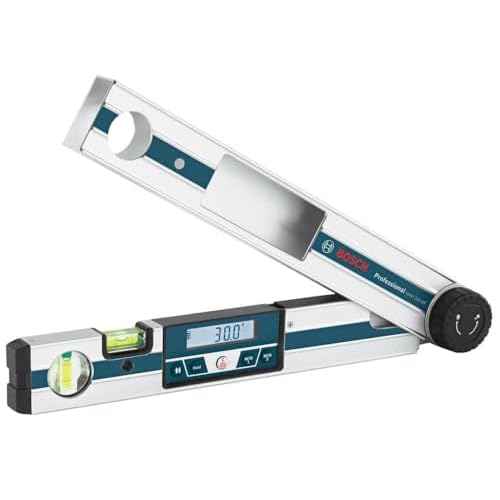
Using a digital angle finder tool delivers precise angles for club heads. Position the device flat against the club face to capture an accurate reading. Ensure the club is resting on a stable surface to avoid any movement during the measurement.
Steps for Effective Measurement
1. Place the iron on a level surface, such as a workbench or table.
2. Adjust the angle finder to align with the club face, ensuring a snug fit.
3. Read the angle displayed on the tool. This number represents the degree of the club’s angle.
Benefits of Digital Tools
Digital angle finders provide quicker and more reliable readings than traditional methods. Many models also store multiple measurements, allowing for easy comparisons. Additionally, their compact size makes them portable, ideal for on-the-go evaluations.
Regular checking with this tool assists in maintaining consistent performance and aiding in adjustments to fit personal preferences or changes in swing. Consider calibrating the device periodically to ensure continued accuracy.
Assessing How Wear and Damage Affect Iron Loft
Inspecting clubs for signs of wear is crucial. Scratches, dents, and excessive wear on the clubface can alter launch angles and spin rates, impacting performance. Regular assessments help maintain accuracy.
- Examine clubfaces: Look for deep grooves that may have worn down. This wear affects spin, leading to distance inconsistencies.
- Check for dents: Any noticeable indentations can impact the effective angle of attack, thus changing how the ball is launched.
Monitoring shaft condition is equally important. A compromised shaft can bend or warp, leading to deviations in ball trajectory.
- Inspect for rust or damage along the shaft.
- Look for cracks that might indicate structural weakness.
Frequency of use plays a role in wear. The more often clubs are used, the more likely they are to experience wear that affects performance. Consider checking lofts annually, especially for frequently used sets.
Additionally, changing swing dynamics over time due to physical conditioning can influence how a club functions. Adjustments in swing mechanics might warrant re-evaluating desired launch angles.
Consider consulting with a professional technician who can not only assess the degree of wear but also suggest potential adjustments or replacements if necessary.
Consulting Golf Club Specifications for Custom Clubs
Before investing in custom golf equipment, reference detailed club specifications from the manufacturer. Each brand typically provides a chart indicating various angles, lengths, and weights. These guidelines ensure your personalized clubs meet performance expectations.
Key Manufacturer Specifications
Most major manufacturers, such as Titleist, Callaway, or Ping, feature specifications online. Look for data regarding:
- Standard angles for each type of club
- Custom fitting options and alterations available
- Weight distribution for optimal balance
Consulting with Professionals
Engage with a certified club fitter for tailored advice. A fitter analyzes previous setups, swing style, and physical attributes to recommend the best specifications. This personalized insight enhances the likelihood of meeting performance goals on the course.
| Brand | Iron Type | Standard Loft Angle |
|---|---|---|
| Titleist | 718 AP2 | 34° (7-iron) |
| Callaway | Apex 19 | 34° (7-iron) |
| Ping | G410 | 34.5° (7-iron) |
Comparing specifications reveals where adjustments may be beneficial. This analysis supports the creation of clubs tailored to individual preferences and enhances overall playability.
Comparing Loft with Launch Angle and Ball Flight
Adjusting the angle of inclination significantly influences the trajectory of shots. A higher angle typically leads to a steeper ascent, while a lower setting results in a more gradual ascent. My experience indicates that understanding this correlation is crucial for maximizing yardage and accuracy.
The Role of Launch Angle
Launch angle directly correlates with distance. A typical range for iron shots is between 10 and 20 degrees. When I tweak the angle by modifying the club’s face position, I can achieve desired results based on wind conditions or course layout. Keeping this variable under control can help enhance my performance on the course.
Understanding Ball Flight Patterns
Ball flight is a direct reflection of both initial launch angle and spin rates. A properly adjusted face can stabilize flight paths and influence the type of shot I execute. If I notice that my shots consistently fade or slice, it may be indicative of needing adjustments either in the angle or my grip. Observing how the ball reacts post-impact provides critical feedback for future adjustments.
Ultimately, monitoring these factors lets me fine-tune my approach, leading to improved consistency and confidence during plays.
Adjusting Loft to Optimize Performance for Your Swing Style
To enhance results, consider adjusting the angle of clubheads based on individual swing characteristics. For players with a steep swing path, lowering the angle can produce more favorable ball flight. Conversely, golfers with a shallow swing may benefit from an increase in angle to achieve proper launch conditions.
Understanding Swing Dynamics
Analyze the trajectory and distance of shots to identify specific needs. Analyzing swing speed can pinpoint whether a change in angle will complement or hinder performance. For instance, slower swing speeds often require higher loft to achieve optimal launch and carry distance.
Practical Adjustments
Collaborate with a club fitter to modify the angle appropriately. This professional can use equipment to assess swing tendencies and recommend precise adjustments. Using adjustable hosels on newer clubs allows for quick modifications tailored to evolving swing techniques, ensuring continued improvement on the course.