Caleb Turner

Begin by gathering your materials: a high-quality decorative coating, a brush or roller, sandpaper, and a soft cloth. The essence lies in preparing the surface to ensure smooth application and to achieve that desirable subtle look. Gently sand any rough spots and clean the surface with a damp cloth to remove dust and debris.
Apply a thin layer of your chosen substance using a brush for detailed areas or a roller for larger surfaces. Starting with a light coat helps prevent drips and creates a base for layering. Allow it to dry completely before proceeding to add more coats, if necessary, to reach the desired effect.



Once you’ve achieved the perfect hue, take a fine grit sandpaper and lightly distress edges or surfaces to enhance texture. This step can add character and depth, giving a vintage feel. Finish by sealing the piece with a clear top coat to protect the new finish, ensuring that your revitalized items remain beautiful and durable for years to come.
Applying a Lighter Finish on Wooden Surfaces Using Specialty Coating
Prepare a diluted mixture of your chosen coating and water, typically a 1:1 ratio. This will create a translucent effect that allows the wood grain to show through.
Before committing to the surface, test the mixture on a small, inconspicuous area. Adjust the dilution if necessary to achieve the desired lightness.
Utilize a high-quality, synthetic brush for an even application. Apply the mixture in long, even strokes following the wood grain to avoid streaks. A foam roller may also work well for larger areas.
After applying the first coat, let it dry completely. Depending on humidity levels, this can take anywhere from 30 minutes to several hours. For a more defined look, consider adding additional coats, ensuring each one dries fully before proceeding.
If a more rustic appearance is desired, lightly sand between coats using fine-grit sandpaper. This also helps the subsequent layers adhere better.
Finish with a clear sealant to protect the surface once the desired look is achieved. This will enhance durability and let the beauty of the underlying material shine.
Choosing the Right Chalk Paint for White Washing
Select a product that has a low sheen finish to achieve a soft, muted look. Brands like Annie Sloan and Rust-Oleum offer various options, providing excellent coverage and adhesion.
Opt for a color that closely resembles your desired outcome. For a traditional wash, a bright or creamy hue works best. Test samples on a small area to see how they interact with the underlying surface.
Consider the consistency. A thicker formulation helps create texture, while a thinner variant allows more natural wood grain to show through, enhancing character.
Verify the drying time–quicker-drying paints allow for layered effects without long waits. Ensure the selected product is non-toxic for safer indoor use.
Check for user reviews and application tutorials to identify products that suit your skill level, as some may be easier for beginners to work with than others.
Lastly, assess the coverage area. A gallon of product typically covers about 150-200 square feet, but it’s wise to have extra on hand for touch-ups or second coats.
Preparing Your Furniture for White Washing
First, ensure the surface is clean and free from dust and grime. Use a damp cloth to wipe down the piece, and let it dry completely before proceeding. If the item has any existing finish or gloss, lightly sand it using fine-grit sandpaper. This step helps create a texture for better adhesion of the new layer.
Inspect the overall condition of the piece. Fill any dents, scratches, or holes with wood filler, allowing it to cure according to the manufacturer’s instructions. Once dried, sand the filled spots smooth to blend them seamlessly into the surface.
Next, it’s important to choose the right location for your project. Make sure to work in a well-ventilated area to avoid inhaling fumes. Lay down a drop cloth to protect the surrounding space from potential drips or spills.
For a consistent finish, consider priming the item if it’s significantly darker or if the original coloring may bleed through. A quality primer can help achieve uniform results with the subsequent layers.
Finally, gather your supplies: a brush or a sponge applicator suited for your technique, along with water for diluting if needed. Organizing everything before starting lets your process flow smoothly.
Techniques for Applying Chalk Paint Evenly
A smooth application relies on the choice of tools. I prefer a high-quality synthetic brush for detail and a foam roller for larger surfaces. Each tool provides unique benefits in creating an even finish.
- Thin Coats: Multiple thin layers yield a better result than a single thick one. I apply light coats and allow ample drying time.
- Brush Techniques: Use long, sweeping strokes rather than short, choppy movements. This method helps achieve consistency and minimizes streaks.
- Roller Application: For broad areas, a foam roller is exceptional. Roll in one direction to avoid overlapping, which can lead to unevenness.
Before starting, I stir the material thoroughly to ensure an even consistency. This reduces the chances of pigment separation, which can affect the application.
- Sanding: Slightly sand the surface before applying the coating. This creates a better bond and can help achieve a smoother finish.
- Testing: I always practice on a scrap piece or inconspicuous area. This enables me to adjust my technique based on the reaction of the material.
Utilizing a clean, damp cloth to remove any dust particles before commencing helps in achieving an immaculate finish. A meticulous approach ensures a satisfying outcome.
Creating the Desired White Wash Effect
Begin by selecting a soft, creamy base to ensure the right tone. I mix equal parts of the light base and water to create a runny consistency, which allows for smooth application.
Apply the mixture using a wide brush or a clean rag. I prefer working in small sections to maintain control over the appearance while the blend remains wet. This allows for easy adjustments and blending with underlying surfaces.
To enhance texture, I often use a dry brush technique after the initial coat. I lightly dip the brush into the mixture, removing excess, then drag it across the area. This creates a subtle, weathered look, emphasizing contours and grain.
For a more distinct finish, I recommend layering. I allow each coat to dry completely before applying the next. This approach builds depth, and the final result resembles a beautifully aged finish.
Once I’m satisfied with the opacity, I seal the surface using a clear matte topcoat. This protects the finish and keeps the desired effect intact. Make sure to follow the manufacturer’s guidance for drying times and application methods.
- Choose a light base for the perfect hue.
- Mix equal parts of base and water for a fluid consistency.
- Work in small sections for better control.
- Use a dry brush for added texture.
- Layer for depth and complexity.
- Seal with a clear matte finish to protect your work.
Experimentation is key. I recommend practicing on scrap materials to hone my skills and achieve the preferred aesthetic before tackling the main project.
Sealing Your Finish
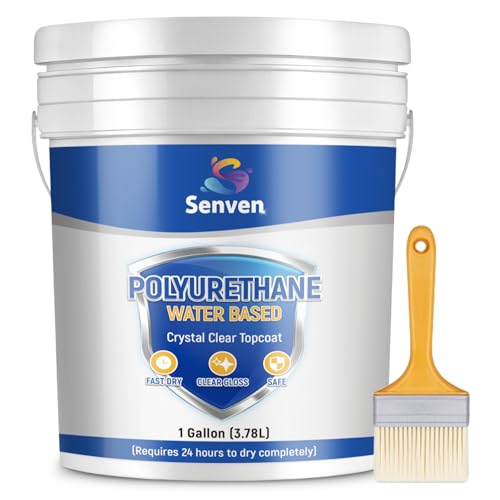
After achieving the desired appearance, it’s critical to protect your newly transformed surface. I prefer using a water-based polyurethane or a wax specifically designed for use on painted surfaces. These sealants provide durability while maintaining the soft, matte finish that complements the rustic look.
Choosing the Right Sealant
Select a sealant that suits your project’s needs. For high-traffic areas, opt for a polyurethane. This option offers robust protection against scratches and stains. If you’re working on a piece with minimal wear, a wax might suffice. Wax provides a natural feel while allowing the grain of the material to show through.
Application Tips
Before applying the sealant, ensure the surface is completely dry. If using polyurethane, apply it with a high-quality synthetic brush to avoid bristle marks. Lay it on thinly and evenly; avoiding drips is crucial. For wax, use a soft cloth to apply in circular motions. Let it cure according to the manufacturer’s instructions for the best results. If using wax, consider buffing it lightly once dried for a lovely sheen.
Tools Needed for the White Washing Process
Gather the following items to ensure a seamless experience:
1. Soft Bristled Brush: I recommend a synthetic brush that holds paint well and allows for easy application. This type helps in creating a smooth, streak-free finish.
2. Sponge or Cloth: A damp sponge or soft lint-free cloth is perfect for wiping and blending the applied mixture, giving a more natural look. Make sure it’s clean to avoid unwanted debris.
3. Mixing Container: Use a disposable cup or jar to blend your chosen mixture of paint and water. A ratio of one part paint to two parts water usually works well.
4. Sandpaper: Fine-grit sandpaper will prepare surfaces by smoothing rough patches, ensuring the new layer adheres properly and looks polished.
5. Sealant: An acrylic or polyurethane clear coat will protect the finish afterward, keeping it intact against wear and environmental factors.
6. Drop Cloth: Lay down a protective cover to catch any drips or spills during the process. This helps maintain a tidy work area.
7. Painter’s Tape: If working on detailed or intricate areas, this tape will keep edges clean and prevent unwanted marks on adjacent surfaces.
Ensure you have everything ready for an efficient transformation of your piece. Happy crafting!
Common Mistakes to Avoid When Achieving a Light Finish
Avoid using too thick a mixture; it can lead to an opaque layer instead of the desired translucent effect. I recommend starting with a thinner application. If you’re unsure, test on a small, inconspicuous area.
Neglecting surface preparation is another pitfall. Ensure all previous finishes are stripped away, and the piece is clean and dry. Dust or grease can interfere with adherence, causing unsatisfactory results.
Rushing the drying process can ruin your project. Allow adequate time between coats for the product to cure. This prevents peeling or streaking, ensuring a smooth application.
Mixing Inconsistencies
Inconsistent mixing will lead to uneven results. Stir thoroughly to achieve a uniform texture. This ensures the color and consistency remain constant throughout the application.
Ignoring Sealing Options
A common error is skipping the sealing process after achieving your look. Choose an appropriate topcoat based on your desired finish and functionality. This protects your piece from wear and tear.
| Mistake | Consequence | Solution |
|---|---|---|
| Using thick mixture | Dense, opaque finish | Apply thinner layers |
| Poor surface prep | Poor adhesion | Clean and sand surfaces first |
| Rushing drying | Peeling or streaking | Wait between applications |
| Inconsistent mixing | Uneven results | Stir thoroughly |
| Skipping seal | Quick wear and fading | Always seal finish |
Maintenance Tips for White Washed Furniture
To maintain the fresh look of your treated surfaces, avoid using harsh chemicals. Instead, opt for a gentle, pH-balanced cleaner. A mixture of mild soap and water works effectively. Lightly dampen a soft cloth and wipe down surfaces, ensuring not to oversaturate.
For daily upkeep, dust regularly with a microfiber cloth to prevent particles from scratching the finish. This simple step keeps surfaces looking pristine.
If you notice any scratches or wear, consider touching up with a matching finish or applying a thin layer of diluted coating to refresh the surface.
Position items thoughtfully to minimize heavy impacts or spills. Utilizing coasters, placemats, and protective pads can prevent damage from hot or cold objects.
Avoid prolonged exposure to direct sunlight, as UV rays can cause fading. If possible, place items away from windows or use curtains to filter light.
Reapply a protective topcoat every couple of years to preserve the finish. Ensure surfaces are clean and dry before application for the best adhesion.
Check joints and hardware periodically, tightening screws and ensuring nothing is loose. This helps maintain structural integrity and prolongs lifespan.
In the case of excessive wear, don’t hesitate to strip and reapply the finish. This allows you to restore the item to its original beauty and durability.
FAQ:
What supplies do I need to whitewash furniture with chalk paint?
To whitewash furniture using chalk paint, you will need a few basic supplies: chalk paint in your desired shade, a paintbrush or a foam roller for application, a small container for mixing, water to dilute the paint, sandpaper for prepping the surface, and a clean rag for wiping off excess paint. Optionally, a topcoat can be used for added durability.
How do I prepare my furniture before painting it with chalk paint?
Preparation is key for a successful whitewashing project. First, clean the furniture thoroughly to remove dirt and grease. If the surface is glossy, lightly sand it to create a better bond for the paint. Dust off any sanding debris before proceeding. If your furniture has stains or a dark finish, consider applying a primer to avoid any visible bleed-through when you paint.
What is the best method for applying chalk paint to achieve a whitewashed look?
To achieve a whitewashed look, mix the chalk paint with a little water to thin it out. Start by applying a thin layer of the diluted paint using a paintbrush or foam roller. Work in sections, applying the paint, and then quickly wipe off some of the excess with a clean rag to achieve the desired transparency. Allow the piece to dry completely and apply additional layers if you want a more intense color.
Can I whitewash over previously stained or varnished furniture?
Yes, you can whitewash over previously stained or varnished furniture, but it’s essential to prepare the surface adequately. Sand the furniture to remove some of the glossy finish. If the stain is dark, using a primer before applying the chalk paint can help mitigate any potential color bleed. After prepping, you can follow your usual whitewashing technique using the chalk paint.
How do I finish my whitewashed furniture for durability?
Once your whitewashing is complete and the paint is dry, applying a clear topcoat can significantly enhance durability. You can use a chalk paint sealing wax for a matte finish or a polyurethane topcoat for a glossier and more durable surface. Follow the manufacturer’s instructions for the best results, and allow adequate drying time between coats. Make sure to cure the finish as directed to ensure long-lasting wear.
What supplies do I need to white wash furniture with chalk paint?
To white wash furniture using chalk paint, you will need the following supplies: a good quality chalk paint in your desired color, a clean and dry piece of furniture, a paintbrush or a roller, a cloth or sponge for applying the wash, water for thinning the paint, and a sealant or topcoat if you want to protect the finish. Make sure to work in an area with good ventilation, especially if you are using a sealant.
How do I apply white wash with chalk paint to get the best results?
To apply white wash effectively, start by mixing chalk paint with water in a ratio that works for you; a common choice is one part paint to two parts water. Test the mixture on a scrap piece of material to see if you like the transparency. Next, use a brush to apply the mixture liberally over the surface of the furniture, making sure to work in the direction of the wood grain. After a few minutes, wipe off the excess with a cloth or sponge to achieve the desired look. Allow it to dry completely before applying a protective topcoat if desired. This technique will give the furniture a soft, antique look.