Caleb Turner

Begin with a thorough cleaning of the surface. Use a mixture of warm water and mild soap to remove any dust or grime, ensuring a smooth application later. After cleaning, let the surface dry completely before proceeding with the next steps.
For the finish, I recommend a blend of water-based paint diluted with water, typically a ratio of one part paint to two parts water. This mixture provides a subtle tint while allowing the natural grain of the wood to show through. Apply it with a high-quality paintbrush or foam applicator for even coverage.
After applying the diluted paint, allow it to dry for a couple of hours. For those seeking a softer look, lightly sand the surface with fine-grit sandpaper. This step can enhance the texture and allow more of the wood’s character to emerge. Once sanded, wipe down the area with a damp cloth to remove any dust.
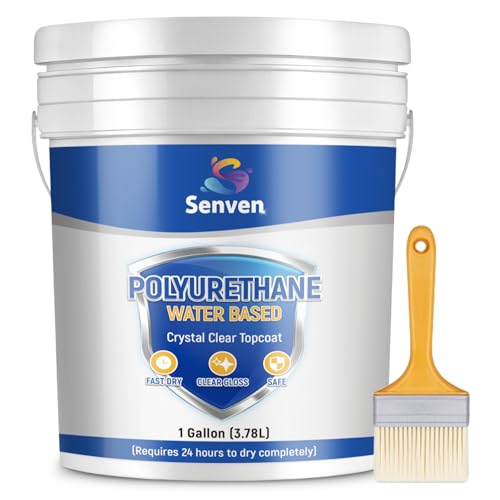
Finally, seal the finish with a clear topcoat to protect your transformed piece from wear and tear. Choose a water-based polyurethane for a durable and clear finish that won’t yellow over time. Apply it using the same technique as the paint, ensuring each coat dries thoroughly before adding another.


Techniques for Achieving a Light Finish on Softwood
I recommend mixing equal parts of water and a good quality latex paint in a light hue. This combination helps achieve a translucent effect, allowing the natural grains to show through.
Before applying the mixture, ensure the surface is clean and lightly sanded. This step promotes better adhesion of the finish. Use a fine-grit sandpaper to maintain a smooth surface.
Take a soft, lint-free cloth or a brush to apply the paint mixture. Work in small sections, aiming for even coverage. If you desire more transparency, consider adding more water to your mix.
After application, wipe off excess with a clean cloth, following the direction of the wood grain. This technique creates a subtle, rustic appearance.
Allow the piece to dry completely before applying a clear protective coat. A water-based polyurethane can enhance durability and maintain the light effect without yellowing over time.
For those seeking variation, consider blending multiple shades. This can add depth and character to the finish, making each piece unique.
Finally, always test the process on a small inconspicuous area. This practice ensures the final outcome aligns with your vision and prevents any unwanted surprises.
Selecting the Right Type of White Treatment for Wood Surfaces
For achieving a soft and inviting appearance, I recommend using a diluted latex paint or a specially formulated chalky finish. These options blend well with natural grain patterns, allowing the wood’s texture to show through.
If a more transparent effect is desired, consider using a white gel stain. This provides a subtle tint while preserving the original character of the grain. It adheres well and is easier to control during the application process.
For a traditional approach, a mix of water and white pigment can create a classic look. Combining one part paint with two parts water can achieve a balance that enhances the wood without overwhelming it.
Always test the chosen product on a small, inconspicuous area first. This ensures the final result will meet expectations and allows for adjustments to the mixture as necessary. Aim for a finish that complements your overall design aesthetic.
Consider the final use of the piece. If it will experience high traffic or moisture, a durable topcoat over the treatment may be necessary to protect the surface. Options like polyurethane in a satin finish work exceptionally well for added longevity.
Preparing Pine Furniture for a Fresh Look
Begin with a thorough cleaning of the surface. Use a mixture of warm water and a gentle soap to remove dust and grime. A soft cloth works best; avoid abrasive materials that could damage the surface.
Sanding for a Smooth Finish
Next, gently sand the entire piece using medium-grit sandpaper (around 120 grit). This step is crucial for achieving good adhesion. Follow up with fine-grit sandpaper (around 220 grit) for a smooth feel. Be sure to sand in the direction of the grain to prevent scratching.
- Start with medium-grit for surface leveling.
- Switch to fine-grit for finishing touches.
After sanding, wipe down the surface with a damp cloth to remove any dust particles. Allow it to dry completely before proceeding.
Repairing Imperfections
Inspect for any dents, scratches, or holes. Fill these imperfections with a wood filler suitable for softwoods. Allow the filler to dry as per the manufacturer’s instructions before sanding it flush with the surrounding area.
- Choose a filler that matches the color of the wood.
- Smooth the repaired areas gently with fine sandpaper.
This preparation phase lays a solid foundation, ensuring the subsequent application adheres effectively and achieves a beautiful, even result without compromising the integrity of the piece.
Applying White Wash Technique on Pine
Prepare the mix by combining one part water and one part paint or stain in a container. It’s vital to choose a non-toxic, latex-based product for safety and ease of cleanup.
Before applying the mixture, test it on a small, inconspicuous area. This helps gauge the effect and ensures satisfaction with the result. Adjust the ratio of water to paint based on personal preference for opacity.
Use a high-quality brush or sponge for application. Dip it lightly into the mixture, tapping off excess liquid. Begin with long, even strokes, working with the wood grain. Consistent application helps create a seamless finish.
If a lighter tone is needed, a second coat might be necessary. Allow the first application to dry fully before proceeding. Aim for an even layer that highlights the natural texture of the grain.
To achieve a distressed or aged appearance, consider lightly sanding areas after drying. Focus on edges and corners where wear would naturally occur. This technique adds character and depth to the surface.
Once satisfied with the look, it’s crucial to seal the finish. An appropriate topcoat protects the surface and enhances durability. Apply according to the product instructions, ensuring adequate ventilation during the process.
| Material | Proportion |
|---|---|
| Paint/Stain | 1 part |
| Water | 1 part |
Regular maintenance involves cleaning with a damp cloth and avoiding harsh chemicals to prolong the life of the finish. Always take care with direct sunlight and heat sources, as these can fade and damage the appearance over time.
Sealing and Finishing Techniques for Your White Washed Project
For optimal durability, I recommend using a water-based polyurethane seal. This type offers a clear finish while protecting against scratches and stains, maintaining the lightened appearance. Apply at least two coats, allowing adequate drying time between applications, typically around 2-4 hours. Ensure proper ventilation during this process to enhance drying efficiency.
Applying a Top Coat
After the initial sealing, consider a final coat of paste wax or a light oil suitable for wood. This step enhances the tactile feel and adds depth to the finish. If you opt for wax, buff it in gently with a soft cloth to achieve a subtle sheen without compromising the light aesthetic.
Maintenance Tips
To maintain the finish, periodically dust with a microfiber cloth and avoid harsh detergents. If the surface starts to dull, a light reapplication of wax can restore its luster without the need for stripping and refinishing.
Maintaining the Look of Lightened Wood Pieces
Regular dusting with a soft, dry cloth prevents buildup and keeps surfaces looking fresh. Avoid using damp cloths, as excess moisture can damage the finish.
For deeper cleaning, I opt for a mild soap solution. Mixing a few drops of dish soap with warm water allows me to gently wipe the surface without harming the coating, but I always ensure to dry immediately with a clean cloth.
Direct sunlight can cause fading. I position my items away from harsh light sources or use window treatments to minimize exposure.
Consider applying a protective topcoat every year or so to maintain the appearance. Products designed for use on light finishes extend longevity and enhance durability.
If I notice scratches or scuffs, I gently buff them with a fine-grit sandpaper to blend the area before reapplying the protective finish. This keeps the overall look seamless.
Regular inspection for signs of wear is key. If any imperfections arise, addressing them swiftly helps in preserving the desired aesthetic.
Keeping these practices in mind ensures that my lightened wood pieces remain as striking as the day they were transformed.
Common Mistakes to Avoid When White Washing Pine
Skipping the test patch is a common error. Always apply your mixture on a small, inconspicuous area to see how it reacts with the surface. This will prevent surprises in color and finish consistency.
Ignoring Surface Preparation
Failing to sand the wood properly can lead to uneven absorption. I always ensure that I use fine-grit sandpaper to create a smooth surface. This step is crucial for achieving a uniform appearance.
Improper Mixture Ratios
Using incorrect ratios in your dilution can result in a finish that’s either too translucent or too opaque. I typically mix one part paint to two parts water for an ideal blend. Adjust based on desired opacity for your specific project.
Rushing the drying process can compromise the final result. Waiting for each layer to completely dry before applying the next is essential. I set a timer to ensure I don’t rush and end up with unsatisfactory results.
Finally, neglecting the sealing phase is a mistake I’ve made before. A good sealant protects the finish and enhances durability. Selecting an appropriate topcoat for your specific needs will help maintain the aesthetics and integrity of the surface.
FAQ:
What materials are required for whitewashing pine furniture?
To effectively whitewash pine furniture, you will need the following materials: white paint (preferably a water-based paint for easy application), water, a mixing container, a paintbrush or sponge for application, sandpaper or a sanding block, a clean cloth for wiping, and a sealant or protective finish if desired. The white paint can be mixed with water to achieve your desired level of transparency. A good quality brush will help you apply an even coat, and sanding the furniture beforehand can make the process easier and improve adhesion.
How do you prepare pine furniture for whitewashing?
Preparation is key for a successful whitewashing job. Start by cleaning the furniture to remove any dirt or grime. If the furniture has an existing finish, such as varnish or paint, you’ll need to sand it down to bare wood for the best results. Use medium to fine-grit sandpaper and sand in the direction of the grain. After sanding, wipe down the surface with a damp cloth to remove dust. Make sure the furniture is completely dry before proceeding with the whitewashing process. This preparation helps the whitewash adhere properly and achieve a smooth finish.
What is the technique for applying whitewash to pine furniture?
To apply whitewash, begin by mixing your paint with water in a container, usually in a ratio of about 1 part paint to 1 part water, but you can adjust this based on how transparent you want the finish to be. Using a paintbrush or sponge, apply the mixture to the furniture in even strokes, following the grain of the wood. Allow it to sit for a minute or two, then wipe off the excess with a clean cloth to adjust the opacity. Depending on the finish you want, you might apply multiple layers, allowing each coat to dry completely before applying the next one. After the final coat, let it cure for several hours or overnight, and consider sealing it with a protective finish for durability.
How can you maintain whitewashed pine furniture after the process?
To maintain whitewashed pine furniture, it’s important to keep it clean and protect it from damage. Regularly dust the surface with a soft cloth or a duster to avoid the buildup of dirt. For deeper cleaning, use a damp cloth with mild soap, avoiding harsh chemicals that can damage the finish. If you notice wear or dullness over time, you can apply a fresh coat of sealer to rejuvenate the look. Always place coasters under drinks and avoid extreme moisture or heat, as these can affect the integrity of the whitewash. Taking these steps can help extend the life of your beautiful whitewashed furniture.