
 Caleb Turner

If I want to achieve a weathered look on my items, I first choose a base coat that complements the desired end result. A light color, such as white or cream, serves as an excellent foundation for the aged appearance I aim to create.
Next, it’s key to apply the base layer smoothly. I use a high-quality brush or roller, ensuring even coverage without drips or streaks. Once this layer dries completely, I move on to the top coat. Selecting a darker hue, like charcoal or deep blue, intensifies the contrast and helps achieve that rustic aesthetic.
After applying the second coat, I’ll let it dry for a period, then lightly sand the surface in areas where wear would naturally occur. This step gives my piece a sense of authenticity, as if it has lived through years of use. To finish, sealing the project with a clear matte varnish can protect my work while maintaining the vintage charm. This method gives my items the unique character that tells a story.
Weathering Techniques Using Coatings
I recommend beginning with a thorough surface preparation. Sand down any glossy areas of the piece to ensure the layer adheres properly. Clean off dust and debris with a damp cloth.


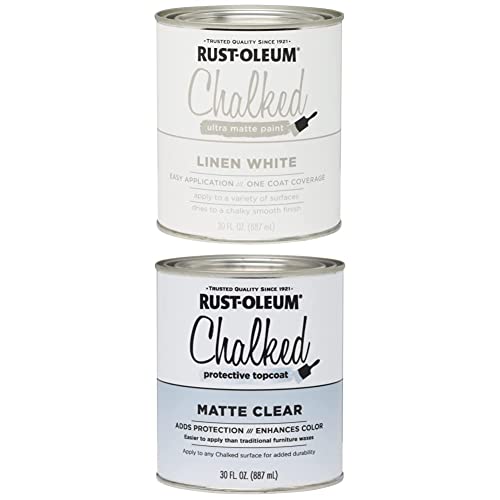
Choose a high-quality acrylic topcoat in a muted tone. Apply it with a brush or roller, ensuring even coverage. A flat finish works best for that worn look. Allow it to dry fully before proceeding.
Once dried, I often utilize a dry brushing technique. Dip a dry brush into a lighter shade, removing excess paint. Gently drag the brush along the edges and high points, mimicking sun-bleached areas.
To create depth, I layer different shades. Apply a darker tone underneath and let it barely peek through. It’s vital to let each layer dry before adding the next.
For added realism, I recommend distressing specific spots. Use a utility knife or sandpaper to create nicks and indentations, focusing on edges and areas that would naturally wear down over time.
Finish the process with a protective clear coat. This will seal everything in and prevent damage to the newly applied layers. I suggest a matte clear coat for the best results.
Finally, patience is key. Allow the entire piece to cure for several days before heavy usage, ensuring durability and longevity for the makeover.
Selecting the Right Paint for Weathering Effects
I recommend using acrylic paint for achieving realistic aged aesthetics. This type dries quickly and allows for easy layering. Choose matte or eggshell finishes; glossy surfaces detract from the antiqued look.
Color Choices
Earthy tones such as browns, grays, and muted greens imitate natural weathering. For a sun-faded look, select lighter shades or pastels. Mixing different colors can create depth, simulating the beauty of aging.
Specialty Products
Consider using chalk paint for its velvety texture and excellent adherence. It provides a flat finish that mimics the dullness of oxidized surfaces. Additionally, you might explore color washes or glazes for nuanced effects, allowing the base color to shine through while highlighting crevices and details.
Preparing Your Furniture for the Weathering Process
First, I clean the surface thoroughly, removing any dirt or grease. Using a mild detergent and warm water works well, followed by a rinse and letting it dry completely.
Next, I inspect for any existing finishes or old coatings. If present, I gently sand them down using fine-grit sandpaper to promote better adhesion for the new layer. Filling any scratches or dents is crucial for a smoother application, so I apply a wood filler, allowing it to cure as per manufacturer directions.
After this, I lightly sand the filled areas along with the entire surface again, ensuring everything is even. I then wipe it down with a damp cloth to eliminate dust particles that may affect the finish.
Choosing a suitable primer can significantly enhance durability; I apply a coat of primer designed for the specific material. This primes the surface for the next stage, while also providing a stable foundation for color application.
Lastly, I allow sufficient drying time as specified by the product guidelines to ensure a ready surface that stands up to the intended effects during the application process. This meticulous preparation plays a vital role in achieving the desired results.
Techniques for Applying Paint for a Weathered Look
To create a rustic appeal, I often use a dry brushing technique. I dip a brush lightly into the color of choice, then wipe most off onto a rag, applying subtle strokes across the surface. This method enhances texture and allows the base layer to show through.
Layering different shades can add depth to the appearance. I apply a darker base coat and follow it with a lighter shade on top. Once dry, I distress areas using sandpaper, revealing the darker hue beneath. This contrast mimics natural wear.
Using a sponge or rag for glazing offers another way to achieve a vintage finish. I mix a glaze with a tint, then apply it gently, ensuring it settles into crevices and corners. This adds dimension and simulates the effects of aging.
For a chippy effect, after applying the base, I use a top layer of latex in a contrasting color. Once dry, I slightly dampen the surface and scrape areas with a putty knife. This promotes an authentic, worn look.
Lastly, I often experiment with the crackle technique. By applying crackle medium between layers, tiny fissures form as it dries. This not only looks aged but also creates a unique character for each piece.
Using Distressing Methods to Enhance Weathered Appearance
For a rustic effect, I recommend sanding edges and corners to expose the underlying surface. Use fine-grit sandpaper for precision. Focus on areas that would naturally wear, such as seat edges and table corners, to create a believable finish.
Another technique involves applying a damp cloth to areas where the finish tends to wear off. This can create a subtle fade, mimicking years of use. Rubbing motion should be gentle and localized to highlight certain spots.
Try layering different colors. Start with a base coat of a darker hue, then apply a lighter top coat. Once dry, lightly sand the raised areas to reveal the darker shade underneath. This contrast can dramatically enhance the depth of the surface.
I find using a damp sponge to dab off some of the top layer effective. This method can create a textured appearance, making it look like years of exposure to the elements.
Consider finishing with a wax or glaze. This not only provides protection but also adds a slight sheen that can enrich the overall aesthetic. Apply it selectively to enhance certain areas, giving a more complex look.
Sealing and Protecting Weathered Furniture
I recommend using a high-quality sealant to preserve the character of your aged pieces. A clear polyurethane or water-based acrylic varnish works well, depending on your desired finish. For a matte appearance, opt for a matte polyurethane, while a gloss finish enhances color depth.
Before application, ensure the surface is clean and free from dust. Lightly sand the piece to promote adhesion, then wipe it down with a damp cloth. This preparation minimizes imperfections in the final coat.
Apply the sealant with a brush or roller, using thin, even layers. Allow sufficient drying time between coats–usually 2 to 4 hours–before lightly sanding the surface with fine-grit sandpaper. This step creates a smooth finish and improves the bond between layers.
For outdoor items, consider using a marine-grade sealant. These provide superior protection against water and UV rays, ensuring longevity. Regularly checking and reapplying the sealant every couple of years extends the life of your decor.
Lastly, avoid placing these pieces in direct sunlight to prevent fading and deterioration. A thoughtful placement strategy enhances both aesthetics and durability, ensuring your creations maintain their charm for years to come.
Maintenance Tips for Preserving Weathered Finish
Regular cleaning significantly enhances the longevity of the aged surface. Utilize a soft, dry cloth to remove dust and debris. For deeper cleaning, mix mild soap with water, applying it gently and wiping off any excess moisture immediately.
Reapply a protective coating periodically. A clear wax or polyurethane sealant can provide an additional layer against wear. Apply this layer every six months to a year, depending on the exposure to elements.
Be cautious about direct sunlight. Prolonged exposure can cause fading and deterioration. Position items in shaded areas or use window treatments to minimize sun impact.
Avoid placing hot items directly on the surface. Always utilize coasters or placemats to prevent heat damage, which can compromise the finish.
Monitor for signs of moisture damage. If you notice warping or peeling, address the issue immediately to prevent further deterioration. Use dehumidifiers in high-humidity areas to maintain balance.
| Tip | Description |
|---|---|
| Regular Cleaning | Use a soft cloth for dust; employ mild soap for deeper cleansing. |
| Protective Coating | Reapply clear wax or sealant every 6-12 months for protection. |
| Avoid Sunlight | Minimize exposure to direct sunlight to prevent fading. |
| Prevent Heat Damage | Always use coasters to protect against hot items. |
| Moisture Monitoring | Watch for moisture signs; consider dehumidifiers in damp areas. |


