Caleb Turner

The choice of a high-quality sealant is critical for protecting treated surfaces from moisture and UV damage. I recommend looking for a marine-grade varnish or a penetrating oil finish, both of which offer robust defense against the elements. Applying these coatings in multiple thin layers enhances their protective qualities, ensuring a seamless barrier against rain and sun.
Prior to application, surface preparation cannot be overlooked. Thoroughly clean and sand the pieces to remove any debris or old finishes. This promotes better adhesion of your chosen product. A clean, smooth surface will yield optimal results in longevity and aesthetic appeal.
In addition to sealing, regular maintenance is key. Reapplying your chosen protective finish periodically–ideally every season–helps to sustain its integrity and appearance. Inspecting for wear and addressing any issues promptly will significantly extend the life of your outdoor pieces.

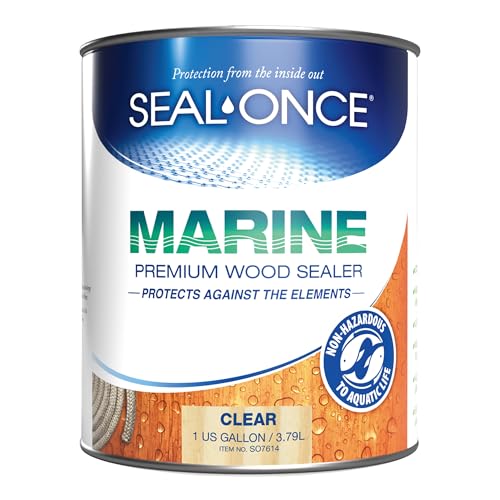

Protect Your Treated Timber for Exterior Use
Applying a high-quality sealer is crucial for safeguarding your treated timber against moisture and UV damage. Select a product specifically formulated for exterior applications, ensuring compatibility with the existing finish.
- Clean the surface thoroughly using a mild detergent and water. Rinse well and let it dry completely for optimal adhesion.
- Sand the surface lightly with fine-grit sandpaper to promote better sealer penetration. Wipe away any dust with a damp cloth.
- Use a high-quality brush or sprayer to apply the sealer evenly. Work in the direction of the grain to achieve a smooth finish.
Pay close attention to edges and joints, as these areas are more susceptible to moisture infiltration. A second coat may be beneficial after the first has cured.
- Reapply sealant annually to maintain effectiveness.
- Store your item in a shaded area when not in use to further extend its life.
- Regularly inspect for signs of wear or damage to address any issues promptly.
Understanding the Importance of Waterproofing
I prioritize sealing surfaces against moisture infiltration. Extended exposure to rain, humidity, and temperature fluctuations can degrade materials, leading to warping, cracking, and fading. By applying a protective layer, I mitigate damage and prolong the lifespan of my items.
Protection Against the Elements
Natural elements such as ultraviolet rays and precipitation can cause significant deterioration. A reliable coating serves as a barrier, preventing harmful agents from penetrating and compromising structural integrity. I find that specific treatments not only protect against moisture but also enhance resistance to decay.
Preservation of Aesthetics
Maintaining the visual appeal of surfaces is just as critical as their durability. After treatment, I notice a marked improvement in color retention and overall appearance. This not only boosts longevity but also keeps pieces looking fresh and inviting. Regular maintenance and reapplication ensure lasting beauty.
Choosing the Right Products for Waterproofing
I recommend opting for a high-quality penetrating oil finish, which provides superior protection against moisture. Brands like Thompson’s WaterSeal or Behr Premium are known for their durability and effectiveness. Make sure to choose a variant specifically designed for exterior applications.
An alternative to oils is a water-repellent sealant that forms a protective barrier. Look for products with UV inhibitors to prevent fading from sunlight exposure. Krylon and Rust-Oleum offer reliable options that work well on treated surfaces.
If you prefer a clear finish, a polyurethane or spar varnish can provide a robust coat that resists the elements. These coatings often require multiple layers for optimal effectiveness. I typically advise applying at least three coats, allowing each to dry completely between applications.
For added protection against mildew and mold, consider adding a mildewcide to your preferred product. This additional step can prolong the life and appearance of your treated pieces. Ensure any additives are compatible with your base product to avoid adverse reactions.
Lastly, always read the manufacturer’s instructions for application methods and drying times. Each product may have unique features that enhance its performance, ensuring your project endures the rigors of outdoor exposure.
Preparing the Surface Before Application
To achieve a long-lasting finish, I first ensure the surface is clean and dry. I scrub the item using a mild detergent mixed with warm water, utilizing a soft cloth or sponge. This removes any dust, dirt, or grease that may have accumulated.
Next, I check for imperfections like scratches or dents. These require sanding down to a smooth finish. I use fine-grit sandpaper, working in the direction of the grain to prevent damage. Once sanded, I wipe the surface with a tack cloth to eliminate any dust created during the process.
I then allow the piece to dry completely, which is crucial for proper adhesion of the protective layer. If I’m working on previously treated surfaces, I may need to strip old coatings using a quality wood stripper to ensure the new application bonds effectively.
Finally, I assess the overall integrity of the piece. If any repairs are necessary, I address them before starting the sealing process to guarantee a uniform and durable application.
Applying Waterproofing Sealant: Step-by-Step Guide
I begin with gathering all necessary supplies: a high-quality sealant, brushes, clean rags, and a drop cloth to protect surfaces. Ensure the area is well-ventilated to allow fumes to dissipate.
Next, I choose a clear day with low humidity for application. I apply a thin layer of sealant using a brush, making sure to cover all surfaces evenly. I work with the grain, ensuring great coverage and avoiding drips.
After the first coat dries, which usually takes a few hours depending on the product, I inspect the surface for any missed spots. I then apply a second coat for enhanced protection. Waiting at least 24 hours after the final coat is crucial for complete curing.
Finally, I clean my tools immediately after use with solvent or warm soapy water, depending on the sealant type. I also make sure to store leftover product in a cool, dry place for future use.
Testing Waterproofing Effectiveness After Treatment
To evaluate the results of the sealing process, I utilize a straightforward water test. After allowing the finish to cure for the recommended duration, I pour a small amount of water directly onto the surface. If beads form and roll off, the application has been successful. However, if the liquid penetrates, additional sealing may be necessary.
I also observe the surface during rain or after watering nearby plants. Checking for signs of absorption or discoloration helps gauge durability. If I notice changes, reapplication may be warranted sooner than expected.
Another method involves using a sponge soaked in water. I press it against the treated area for a few minutes, then inspect for moisture on the underside. If it remains dry, the protective treatment is holding up well.
Regular inspections throughout different seasons are important to ensure ongoing performance. Exposure to harsh elements can affect longevity, so I keep track of wear and make adjustments as needed to maintain protection.
Maintenance Tips for Long-lasting Protection
To achieve durability, I regularly inspect all outdoor pieces for signs of wear or damage. Paying attention to any cracks, peeling, or discoloration ensures that I can take corrective action promptly.
I always recommend cleaning surfaces with a gentle soap solution and a soft brush. This keeps dirt and mold from settling in, which could compromise protective coatings. After cleaning, I thoroughly rinse and allow the surfaces to dry completely before any treatment.
Regular Resealing
Resealing every one to two years is crucial. Depending on the products used, I monitor the condition regularly. If water no longer beads on the surface, it’s time for a refresh. Before applying a new coat, I lightly sand the surface to ensure proper adhesion.
Storage Tips
During extreme weather, I either move pieces indoors or cover them with breathable tarps. This prevents moisture buildup while providing protection against harsh elements. Additionally, I store cushions and fabric accessories indoors to prolong their lifespan and maintain their appearance.
Signs Your Furniture Needs Reapplication
Check for dull or faded surfaces as an immediate indication that a new layer of protection is necessary. If the finish appears uneven or patchy, it’s a clear sign to act.
Visible Damage
- Look for signs of discoloration or staining, which can indicate previous treatments have worn off.
- Inspect for water spots or pooling, which may suggest that the previous barrier is compromised.
- Feel for rough patches or splintering, indicating wear and tear that often accompanies decreased resistance.
Changes in Texture
- If the surface becomes sticky or tacky, it’s a strong hint that the current layer has degraded.
- Noticed a change in grip? If surfaces feel slippery when wet, it may be time for reapplication.
Regular checks after adverse weather shifts, like heavy rain or intense sun, serve as a proactive measure to maintain the quality of protective layers. Be attentive to these signs to ensure enduring longevity of your pieces in various conditions.
Common Mistakes to Avoid When Waterproofing
Avoid applying products on humid or rainy days. Moisture can interfere with adhesion and effectiveness. Always check weather forecasts prior to treatments.
Neglecting Proper Surface Preparation
Skipping the cleaning and sanding process is a crucial error. Surfaces must be free of dirt, grease, and old finishes to ensure the sealant penetrates and adheres properly. I always clean well and lightly sand the surface to enhance bond strength.
Overapplication of Products
Applying too much sealant can lead to a sticky, uneven finish. It’s better to apply multiple thin coats rather than one thick coat. This approach ensures even coverage and better performance against moisture.
| Mistake | Consequence | Tip |
|---|---|---|
| Applying in humid conditions | Poor adhesion | Check weather before you treat |
| Skipping surface prep | Poor performance | Always clean and sand |
| Overapplication | Sticky finish | Use thin, multiple coats |
Always test a small area first to determine compatibility between materials and products. This simple step can save a lot of time and effort in the long run.
Alternative Solutions for Outdoor Furniture Care
Choosing natural oils such as tung or linseed can enhance protection against moisture while adding an appealing sheen. Regular application can nourish and preserve the surface, extending its lifespan and maintaining aesthetic appeal.
Utilizing Covers for Added Protection
Employing breathable covers shields against rain, snow, and UV rays, preventing damage and prolonging usability. Opt for covers made from weather-resistant materials that allow moisture to escape, reducing the risk of mold and mildew buildup.
Incorporating Water-Repellent Sprays
Applying commercially available sprays designed to repel moisture can be a simple alternative. These products offer a quick-drying solution that forms a protective barrier, making maintenance less cumbersome without compromising the natural look of the material.
Regularly checking seals and applying touch-ups ensures continued protection. Combining these strategies will enhance resistance while keeping appeal intact.