Caleb Turner
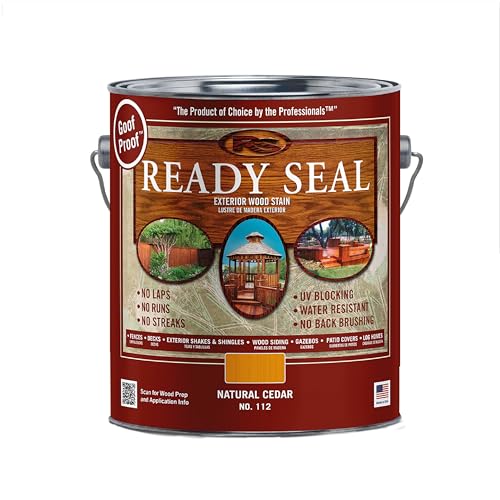
I recommend applying a high-quality marine varnish to shield your painted outdoor pieces from moisture. This product forms a durable barrier against rain and humidity while enhancing the existing color and finish. Ensure that the surfaces are clean and dry before application for optimal adhesion.
Prior to coating, lightly sand the surface with fine-grit sandpaper to promote better bonding. After cleaning the dust, apply at least two to three thin coats of varnish, allowing adequate drying time between each layer. This will create a robust seal that withstands the elements.
Additionally, consider using a sealant specifically designed for outdoor applications. Products containing polyurethane are excellent choices, as they provide superior resistance to UV rays and water damage. For ongoing upkeep, inspect the protective layers annually and reapply as necessary to maintain the integrity and appearance of your pieces.
Protecting Your Colorful Creations from the Elements
I recommend applying a high-quality marine-grade sealant to your coated surfaces. This type of product is specifically designed to withstand harsh conditions while preserving the finish. Ensure that the piece is clean and dry before application.
Use a brush or cloth to evenly apply the sealant, paying close attention to corners and seams where moisture can penetrate. Allow sufficient drying time as per the manufacturer’s guidelines before exposing it to rain or humidity.
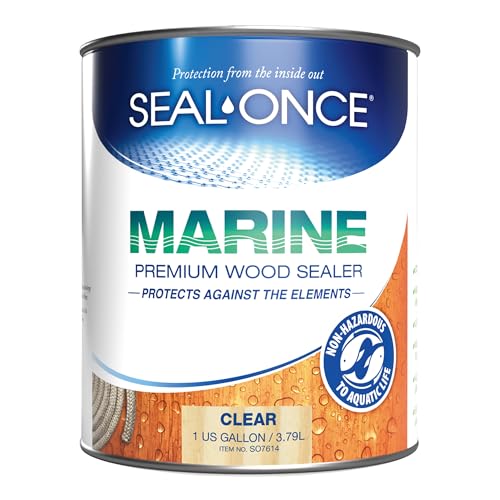
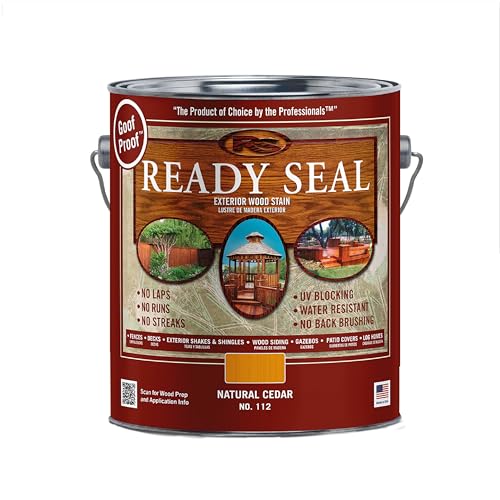


Consider reapplying the sealant annually. Regular maintenance is key to prolonging the lifespan of your creations. If you notice any signs of wear or moisture damage, address it immediately to prevent further deterioration.
Utilizing furniture covers during unfavorable weather also extends longevity. Opt for breathable materials to prevent condensation build-up underneath.
Store items in a shaded area during intense sun exposure to avoid fading. This simple step helps maintain the vibrant colors and integrity of the finish over time.
Finally, periodically check for any small chips or scratches. Touching these up right away will help maintain an uninterrupted barrier against the elements.
Choosing the Right Paint for Outdoor Furniture
Opt for acrylic latex formulations, as they offer durability and flexibility. These options resist cracking and peeling, which is critical in fluctuating weather conditions. Look for paints designated as “exterior” to ensure they withstand the elements effectively.
Finish Types
Consider a satin or semi-gloss finish. These finishes provide a balance between aesthetics and functionality, making them easier to clean while adding a degree of shine that enhances the appearance. Matte finishes, while stylish, can trap dirt and are harder to clean.
Color and UV Resistance
Select lighter colors, as they reflect sunlight and reduce heat absorption, leading to a cooler surface temperature. Look for products labeled with UV protection, as this feature prevents fading and deterioration caused by prolonged sun exposure. Always test a small area before committing to a color.
Prioritize brands with a reputation for quality, and check customer reviews to ensure you choose a reliable product. Your choice in coating significantly impacts longevity and maintenance, so select wisely.
Preparing the Surface for Waterproofing
First, I thoroughly clean the item to eliminate any dirt, dust, or grease. I typically use a mixture of warm water and mild detergent, scrubbing gently with a sponge or cloth for effective dirt removal. After washing, I rinse with clean water and let it dry completely.
Next, I inspect for imperfections like scratches or dents. Any damaged areas require sanding with fine-grit sandpaper to create a smooth surface. It’s crucial to sand in the direction of the grain to avoid further damage. After sanding, I wipe down the surface with a damp cloth to remove any dust particles.
For a superior bond, I then apply a primer suited for outdoor applications. This step enhances adhesion and helps prevent peeling. I ensure even coverage using a brush or roller, without overloading the surface.
Once the primer dries completely, I again assess the surface for any uneven spots and lightly sand if necessary. This will provide an ideal foundation for the subsequent coating.
Finally, I check the weather conditions to ensure a dry application environment. High humidity or rain can negatively impact the coating’s effectiveness.
By following these meticulous surface preparation steps, I ensure the durability and longevity of the protective finish.
Applying a Sealant: Step-by-Step Guide
I first gathered my tools: a high-quality sealant, a paintbrush or applicator, and a clean cloth for any spillages. Choosing a clear water-repellent formula suited my project’s needs, so I read the product instructions carefully.
Next, I ensured the surface was completely dry and free from dust or debris. I used fine-grit sandpaper to lightly scuff the area, enhancing the sealant’s grip. After wiping away the dust, I was ready to apply the sealant.
Using the brush, I applied a thin, even coat of sealant, moving in the direction of the grain to ensure thorough coverage. I made sure to cover corners and edges, which are particularly prone to wear and moisture ingress.
Once the first layer dried, I inspected it for any missed spots and applied a second coat where necessary, following the same method. I paid attention to the manufacturer’s recommendations regarding drying time to ensure optimal adhesion.
After allowing the final layer to cure completely, I checked for any sticky areas or residue that might attract dirt. Upon confirming everything was in order, I felt confident that the protective barrier was effectively established.
Testing Waterproofing Effectiveness
To determine if the treatment has been successful, carry out a simple water test. Pour a small amount of water onto the surface and observe for immediate absorption. If beads of water form on the surface, the sealant is performing well. If the water seeps in, further treatment is necessary.
Steps for Conducting the Test
- Ensure the surface is clean and dry before beginning the test.
- Use a small, controlled amount of water to assess the sealant.
- Inspect the surface after a few minutes: Look for any signs of absorption.
- Repeat the test after a rainfall or heavy dew to see how well the coating handles moisture over time.
Additional Checks
After initial tests, monitor the surface regularly throughout different seasons. Look for signs of wear, such as peeling or discoloration. If you see these issues, it may signal that a reapplication of the sealant is needed.
For long-term assurance, consider applying a fresh coat of sealant annually, keeping surfaces in prime condition against the elements.
Maintenance Tips for Outdoor Decor
I recommend inspecting surfaces regularly for any signs of wear or damage, such as scratches or cracks. This early detection helps in maintaining the longevity of your outdoor pieces. During inspections, clean surfaces with a mild soap and water solution to remove dirt and debris. Avoid harsh chemicals that may degrade the protective layer.
Regular Cleaning Routine
Establish a routine cleaning schedule, ideally every month, to keep your outdoor décor looking its best. Use a soft cloth or sponge to gently scrub surfaces. Rinse well and allow to air dry completely. If you notice any stubborn stains, use a non-abrasive cleaner specifically designed for outdoor materials.
Seasonal Care
Before seasonal changes, apply a fresh layer of protective finish. This will fortify barriers against moisture and UV rays. Additionally, during harsh weather conditions, consider moving pieces to sheltered areas or using covers designed for outdoor items. This simple practice prevents undue exposure to elements.
Identifying Signs of Water Damage
Check for discoloration on surfaces that were once glossy or vibrant. If you spot dark spots or spots that are lighter than the surrounding areas, it may indicate moisture absorption. Pay attention to peeling or bubbling paint, which often signals that liquid has infiltrated the finish.
Physical Changes
Inspect for warping or swelling, particularly around joints and seams. This can point to structural compromise caused by excessive moisture exposure. Another key indicator is a soft texture when you press on the surface; this may suggest the underlying material has weakened.
Odor Detection
A musty or damp smell can signal that decay or mold has begun to develop. If you notice an unusual odor, it’s important to investigate further to determine the extent of moisture damage.
| Sign | Description |
|---|---|
| Discoloration | Dark or light spots indicate moisture absorption. |
| Peeling/Bubbling | Damage to paint suggests liquid infiltration. |
| Warping/Swelling | Misshapen surfaces reflect structural compromise. |
| Soft Texture | Indicates weakness due to moisture. |
| Musty Odor | Signals potential mold or decay. |
Reapplying Sealant: When and How
Reapplication should occur every one to two years, depending on exposure to the elements. Signs that it’s time to seal again include diminished sheen, water pooling on surfaces, or visible wear in high-use areas.
Steps for Effective Reapplication
Begin by cleaning the surface with a mild soap solution to remove dirt and grime. Rinse thoroughly and allow it to dry completely. Once dry, lightly sand the surface to promote adhesion, especially if the existing sealant is peeling or chipping.
Apply a thin, even layer of sealant with a high-quality brush or sprayer. Follow the manufacturer’s instructions regarding drying time and application conditions. Multiple thin coats yield a better finish than a single thick layer.
Final Checks
After application, inspect for any missed spots or areas requiring additional coverage. Allow the sealant to cure fully before exposing the item to moisture, typically 48 hours, to ensure optimal protection.
DIY vs. Professional Waterproofing Services
Choosing between self-application and hiring experts depends on skill level, project size, and desired results. I recommend assessing personal experience with similar tasks. If you’ve previously handled projects requiring precision and attention to detail, a DIY approach is feasible.
Advantages of DIY
- Cost savings on labor can be significant.
- You have complete control over materials and techniques.
- Suitable for small projects where quick fixes are needed.
Advantages of Hiring Professionals
- Access to specialized equipment and high-quality materials.
- Expert knowledge can ensure long-lasting results.
- Time savings–professionals can often complete tasks more quickly.
If I opt for a DIY approach, ensure to seek out quality supplies and follow best practices rigorously. Conversely, if time and expertise are limited, engaging specialists could save future headaches and costs. Always consider getting multiple quotes before selecting a service provider, ensuring comparisons on materials and methodologies align with expectations.
Safeguarding Against UV Damage and Fading
To protect against sun exposure, I recommend applying a UV-resistant topcoat. Choose products specifically labeled for outdoor use, as they provide a barrier against harmful rays. Ensure the coating contains UV absorbers or blockers to minimize fading.
Consider using a tinted sealant or finish that offers additional protection. A slight change in hue might result from the UV treatment, but it helps in preserving the underlying colors. Test different finishes on a small area first to evaluate the color retention and gloss level.
Periodic reapplication is necessary. Typically, I apply the UV-resistant sealant every one to two years, depending on climate conditions. Locations with intense sunlight might require more frequent upkeep.
Furthermore, positioning pieces in shaded areas can significantly reduce exposure to direct sunlight. Utilizing umbrellas, tarps, or other coverings during peak sun hours can extend the life of the finish, while also providing comfortable seating.
| Tip | Details |
|---|---|
| Use UV-resistant finish | Look for products specifically designed for sun protection. |
| Reapply regularly | Schedule maintenance every year or two, based on sun intensity. |
| Shade your items | Utilize covers or natural shade to limit direct sunlight exposure. |
Monitoring the condition of the surface regularly helps catch any fading early. If I notice signs of discoloration or loss of sheen, it’s time to refresh the protective coat to keep everything looking its best.
FAQ:
What materials do I need to waterproof my painted wood furniture for outdoor use?
To waterproof painted wood furniture, you will need a few key materials. First, choose a high-quality outdoor sealant or waterproofing spray specifically designed for wood. A sandpaper (medium to fine grit) will help you prepare the surface for sealing. Ensure you have a clean cloth for dusting off any sanded areas and a paintbrush or roller for applying the sealant. If your furniture is already painted, selecting a compatible sealant is vital to avoid any reactions. You might also consider using a wood primer if you plan to repaint it before sealing.
Can I use regular paint to waterproof my outdoor furniture?
No, regular paint is not designed for outdoor conditions and won’t provide adequate protection from moisture. You should use exterior paint formulated for outdoor use, which has additives to resist water, mold, and UV damage. Additionally, applying a topcoat sealant after the paint dries will enhance the waterproofing effect and extend the life of your furniture.
How often should I reapply waterproofing on my outdoor furniture?
The frequency of reapplication depends on the local climate and the materials used. Generally, it’s advisable to inspect your furniture at least once a year. If you notice the sealant wearing off, chipping, or if moisture seems to be seeping through, it’s time to reapply. Areas exposed to harsh weather may require more frequent maintenance, while those in sheltered positions may need less.
What should I do if my outdoor furniture has already begun to warp due to moisture?
If your outdoor furniture has warped, first assess the extent of the damage. Minor warping might be corrected by applying heat or weight to the affected areas, although this is more effective on solid wood than on composite materials. If the warping is significant, you may need to sand down the affected areas to restore shape and then apply a waterproof sealant afterward. In cases where the wood has cracked or broken, repairing with wood glue or replacing the damaged parts can be necessary before the waterproofing process.
Is it possible to waterproof my painted wood furniture without stripping the paint?
Yes, you can waterproof painted wood furniture without stripping the paint, provided the existing paint is intact and well-adhered. Start by cleaning the surface with a mild detergent and water, then allow it to dry completely. Lightly sand the surface to improve adhesion for the sealant. After cleaning and sanding, apply a waterproof sealant according to the manufacturer’s instructions. This approach can save you time and effort while still protecting your furniture from moisture.
What materials do I need to waterproof my painted wood furniture for outdoor use?
To effectively waterproof your painted wood furniture, you will need a high-quality outdoor sealant or marine varnish that is suitable for use on painted surfaces. Additionally, you may want to have sandpaper for surface preparation, a clean cloth to wipe down the furniture, and a paintbrush or spray applicator for applying the sealant. It’s also helpful to have a tarp or drop cloth to cover the area while you work, as well as gloves for personal protection. Make sure to choose products that are specifically designed for outdoor use to ensure longevity and protection against the elements.
How long does it take for waterproof sealants to cure on painted wood furniture?
The curing time for waterproof sealants on painted wood furniture can vary depending on the specific product used and environmental conditions. Generally, most sealants require about 24 hours to dry to the touch, but complete curing can take anywhere from 3 to 7 days. It is important to check the manufacturer’s instructions for precise curing times. During this period, it’s best to keep the furniture away from moisture and sunlight to allow the sealant to adhere properly. Waiting for the full curing time ensures that your furniture is adequately protected from water damage when placed outdoors.