
 Caleb Turner
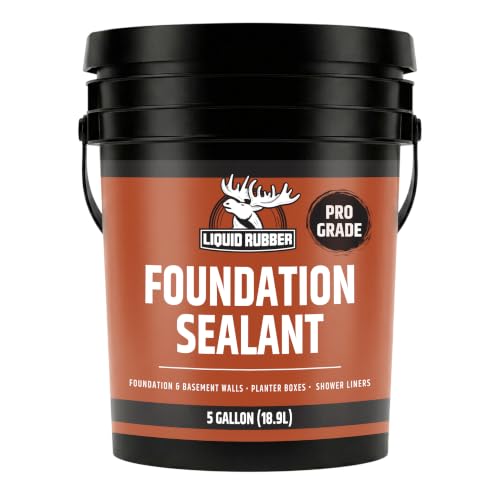
I recommend applying a high-quality sealant or polyurethane finish to your engineered wood creations as a primary step. Choose a water-resistant product that is suitable for your specific material, ensuring it can withstand exposure to moisture. A good option could be a marine-grade finish, known for its durability and water-repellent properties.
Before application, thoroughly clean the surface to remove any dust or debris. Use fine-grit sandpaper to create a smooth finish, promoting better adhesion of the sealant. After sanding, wipe down with a damp cloth, allowing sufficient time for drying before proceeding.

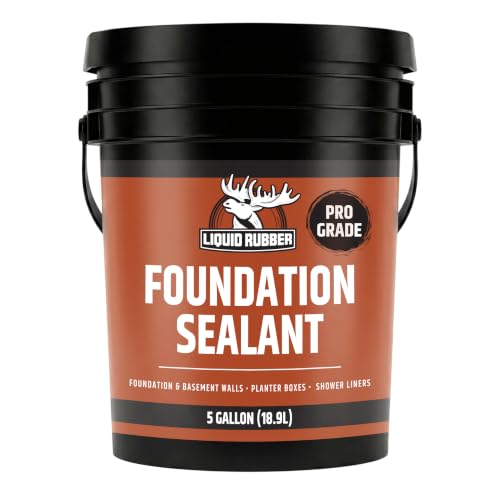
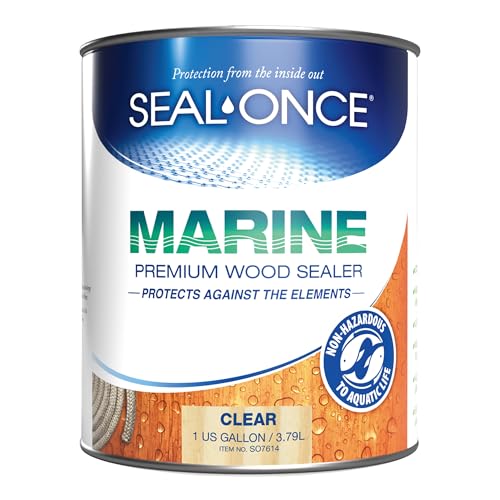
When applying the chosen sealant, use a brush or roller for an even coat. Be meticulous in applying it to all edges and corners, as these areas are often overlooked and vulnerable to moisture damage. Allow each coat to dry completely before adding additional layers for enhanced protection.
To ensure long-lasting results, consider reapplying the sealant every couple of years, especially in high-moisture areas. Keeping your engineered wood items well-maintained will significantly extend their life and appearance, making them resilient against the elements.
Techniques to Shield Engineered Wood Constructs
I recommend applying a high-quality sealant specifically designed for composite materials. This creates a robust layer that repels moisture effectively.
Before application, ensure the surface is clean and dry. Use sandpaper to lightly roughen areas where the sealant will be applied; this promotes better adhesion. Wipe the surface down with a damp cloth to remove any dust particles before proceeding.
I found that using a foam brush or roller allows for even coverage without leaving brush strokes. A minimum of two coats is advisable, allowing adequate drying time between each layer as per the manufacturer’s instructions.
Inspect the edges and corners closely as these areas are more susceptible to water damage. It’s vital to apply extra sealant in these regions to ensure comprehensive protection.
If the item has intricate details or grooves, consider using a sealant in a spray form to reach these areas more easily. Always apply in a well-ventilated area for safety and optimal results.
For added durability, periodic reapplication of the sealant is beneficial, depending on the wear and tear from use and exposure to moisture. Regular checks will help maintain the integrity of the finish.
Lastly, avoid using harsh chemicals or cleaning agents on sealed surfaces; opt for a mild detergent and soft cloth to preserve the protective layer.
Understanding the Risks of Water Damage to Particle Board
Moisture can lead to significant deterioration in composite materials. When exposed to water, these materials swell, lose integrity, and may even break apart under stress. This process often begins immediately upon contact with liquid, especially if soaked or left damp.
Signs begin with visible swelling and deformation. The surfaces may develop unsightly blemishes, and structural integrity can decline rapidly. This may result in compromised joints, making the assembly unstable. Long-term exposure leads to more severe degradation, including mold and mildew growth, which further damages not only the item but can also affect surrounding areas.
Preventative Measures
Immediate action upon any exposure is essential. If moisture occurs, dry the area quickly using absorbent cloths and fans to circulate air. I also recommend investing in sealants or protective coatings to form a barrier against liquid incursion. Regular maintenance, including checking for leaks or high humidity, is equally important.
Long-Term Considerations
Be aware that prolonged neglect can turn minor issues into major failures. Regular assessments allow early detection of potential risks, ensuring longevity. I’ve found that understanding the material’s limitations and acting preemptively safeguards both the investment and aesthetic appeal.
Choosing the Right Waterproofing Materials
I always opt for high-quality sealants designed for moisture resistance. A two-part epoxy resin provides excellent protection against liquid exposure, ideal for surfaces that face potential spills. These resins bond strongly and cure into a durable, protective layer. Look for options that offer UV stability to prevent yellowing over time.
Polyurethane coatings are another reliable choice. They create a flexible, waterproof surface that withstands temperature fluctuations and impact. When selecting this type, ensure the formulation is appropriate for the intended use, whether for surfaces or edges.
For a more natural approach, consider applying tung oil or linseed oil. These oils penetrate deeply, creating a water-resistant barrier while enhancing the wood grain’s appearance. They require multiple applications and regular maintenance but offer an eco-friendly option.
It’s also beneficial to use a primer before applying any coating. A specific primer acts as an adhesive layer that enhances the durability of the subsequent finish. Select a primer compatible with your chosen sealant to ensure optimal bonding.
In addition to sealants, I recommend utilizing moisture-resistant adhesives during assembly. This precaution not only strengthens joints but also adds an extra layer of protection against humidity.
Finally, evaluate the environmental conditions of the space where these items will reside. If the area experiences high humidity or frequent exposure to water, it may be wise to apply multiple layers of your chosen protective material, ensuring maximum durability and longevity.
Preparing the Surface of Particle Board for Treatment
Ensure the area is clean and dry. I begin by removing any dust or debris using a soft cloth or vacuum. If the surface has stains or grime, I use a mild soap solution and a damp cloth to clean it thoroughly, then dry completely.
Next, I check for any imperfections such as chips or scratches. If present, I apply wood filler to repair these areas. After the filler dries, I sand the affected spots until they are smooth and flush with the surrounding surface.
- Sand the Entire Surface: I utilize fine-grit sandpaper to lightly sand the entire area. This step enhances adhesion for the protective treatment.
- Dust Removal: Post-sanding, I make sure to clean away any dust particles, as they can interfere with the application of the waterproofing solution. A clean, dry cloth or a tack cloth works well for this purpose.
- Testing the Surface: Before proceeding, I conduct a small test with the chosen treatment in an inconspicuous area. This verifies compatibility and ensures the desired outcome.
Once the surface is prepped, I am confident it is ready to receive the waterproofing treatment effectively. The preparation phase is crucial for achieving the best results.
Applying Sealants: Step-by-Step Guide
First, select a high-quality sealant suitable for your material. Choose clear epoxy or polyurethane for effective protection.
Before applying, ensure the surface is thoroughly cleaned. Remove dust and debris with a damp cloth, then allow it to dry completely. If there are any rough areas, sand them smooth to enhance adhesion.
Always wear protective gloves and a mask to avoid exposure to fumes during the application process. Open windows for ventilation.
Using a clean brush or roller, apply the sealant evenly across the surface. Start from one end and work towards the other to maintain a wet edge, preventing visible lines.
Allow the first coat to dry as per the manufacturer’s instructions, usually several hours. For optimal results, apply a second coat following the same technique.
After the final coat has dried, inspect the finish for any missed spots or uneven areas. If necessary, add touch-ups to ensure complete coverage.
Once fully cured, perform a water test by applying a few drops to the surface. If the droplets bead up, the seal is effective.
Maintain the treated area by avoiding excessive moisture contact and cleaning with a damp cloth only, as harsh chemicals may damage the sealant.
Maintaining and Reapplying Waterproofing Treatments
I regularly inspect the protective layer to ensure its integrity. If I notice signs of wear or damage, I promptly plan a reapplication. Generally, it’s wise to refresh the treatments every 1-2 years or sooner if the conditions have exposed the surface to excessive moisture.
Signs Indicating Treatment Needs Reapplication
| Sign | Action |
|---|---|
| Visible water stains | Reapply the protective layer immediately. |
| Peeling or flaking | Remove the old layer and start fresh. |
| Dull or faded appearance | Consider a reapplication to restore luster. |
| Absorption of moisture | Check if treatment is compromised, reapply as needed. |
Before applying a new layer, I ensure the surface is clean and dry. Using a soft cloth, I remove dust and any previous finishes. I also lightly sand rough spots to promote better adhesion for the new sealant.
Applying the treatment in thin, even coats is crucial. I usually use a brush or roller for a smooth application, ensuring I cover all areas evenly. Multiple coats may be necessary for optimal protection, usually allowing time for each coat to dry according to the manufacturer’s instructions.
After reapplication, I allow ample time for the treatment to cure fully before exposing the item to moisture. A well-maintained layer enhances durability and protects against damage, prolonging the lifespan of the material significantly.
Identifying and Repairing Existing Water Damage
I approach damage assessment with a systematic method. First, I examine the visible surfaces for any signs of distortion, discoloration, or swelling. These indicators often reveal areas that have been compromised. I take note of these spots before moving on to the next step.
Next, I gently press on the affected areas. If I notice softness or crumbling, it suggests moisture penetration. In such cases, I use a utility knife to carefully cut away the damaged sections, ensuring I avoid affecting the stable parts adjacent to them.
After cutting, I evaluate the internal structure. If the core material is severely affected, I may need to replace sections of it. I replace them with new, similar components, making sure to match thickness and density as closely as possible.
To prevent further issues, I apply a drying agent to the repaired area. This helps eliminate any lingering moisture that could lead to future damage. Once completely dry, I fill any gaps or holes with wood filler, making sure to sand the surface smooth for a uniform appearance.
- Clean the repaired area thoroughly to remove dust and debris.
- Apply a matching paint or finish to blend the repair with the original surface.
- Allow the finish to cure completely before using the furniture again.
For long-term results, I make sure to regularly check for any signs of moisture or damage in the surrounding areas, maintaining the integrity of the whole piece.
Protective Practices for Long-Term Care of Furniture
Regular inspections are paramount. I make it a habit to check the surfaces and edges for any signs of wear or damage. If I notice any scratches or chips, I address them immediately to prevent moisture from getting in.
Using coasters under drinks and placing mats beneath potted plants safeguards against spills and condensation. I always keep a soft cloth on hand to quickly blot any accidental liquids that may land on the surfaces.
Adjusting humidity levels in the environment plays a significant role. I utilize dehumidifiers or humidifiers as needed to maintain an optimal range, thereby minimizing the risk of damage from extreme moisture levels.
A protective top layer, such as a clear acrylic coat, has proven beneficial in enhancing durability. I choose products with UV protection to prevent fading from sunlight exposure, ensuring that colors and finishes remain intact over time.
Regular cleaning with appropriate products is vital. I avoid harsh chemicals, opting instead for gentle cleaners that won’t harm the surfaces. I follow up with a dry microfiber cloth to remove any residue that could attract dirt.
Lastly, positioning away from direct sunlight and heat sources effectively reduces the likelihood of warping or discoloration. I carefully select the location of my pieces to ensure they remain in optimal condition for years to come.


