
 Caleb Turner
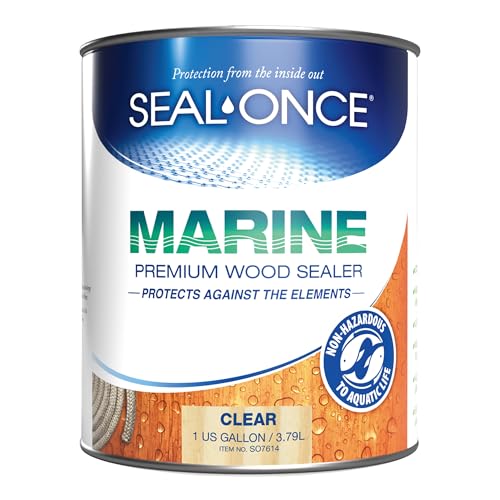
First and foremost, applying a high-quality water repellent can significantly enhance protection against moisture. Look for a silicone-based spray that creates a barrier while allowing the material to breathe, preventing mold and mildew growth.
After thorough cleaning, ensure the surface is completely dry before application. This step is crucial to avoid trapping water that may compromise the integrity of the seating over time.
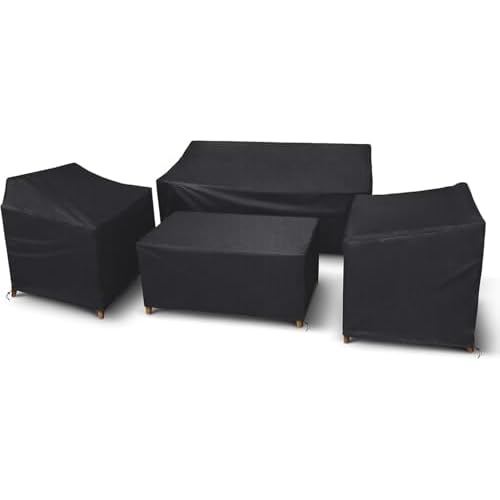

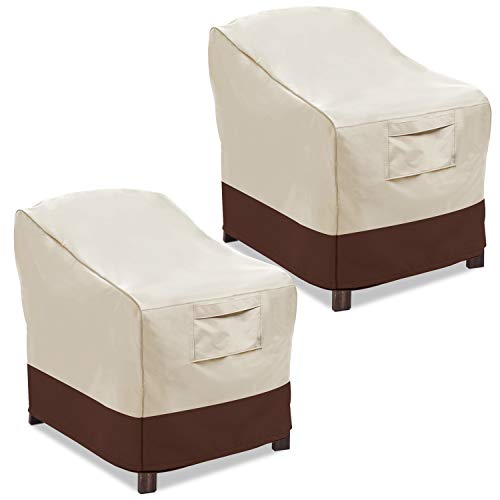
Additionally, consider using covers when your pieces are not in use. Invest in breathable, weather-resistant covers designed specifically for protective purposes. This will add an extra layer of security against rain and UV rays, prolonging the lifespan of your seating.
For regular upkeep, inspect the furniture periodically for signs of wear or damage. Addressing small issues early on can prevent more significant problems later. Remember, preventive care is key to maintaining the appearance and functionality of your outdoor arrangements.
Water Resistance for Outdoor Seating
I recommend using a high-quality sealant specifically designed for patio sets to enhance durability against moisture. Apply the product evenly with a soft cloth, ensuring even coverage on all surfaces. It’s advisable to focus on seams and woven areas where water might penetrate. Allow sufficient drying time as indicated in the product instructions before exposing it to the elements.
Regular Maintenance Steps
Regular cleaning of the pieces is crucial. I suggest wiping them down with a mixture of mild soap and water every month to prevent buildup of dirt and mildew. After cleaning, dry them thoroughly to minimize moisture retention.
Storage Tips
If possible, I recommend having a designated, dry area to store these items during inclement weather or off-season. Using covers that are breathable can also provide an extra layer of protection without trapping moisture underneath.
Periodically check for any signs of wear or damage, as addressing small issues promptly can help prolong the lifespan of these outdoor pieces significantly.
Choosing the Right Waterproofing Products
For optimal protection of your outdoor seating, I recommend selecting a high-quality sealant designed specifically for synthetic materials. Look for options labeled as UV-resistant and mildew-resistant to ensure durability against sun exposure and moisture buildup.
After extensive research, I found the following products to be particularly effective:
- Aerosol Sprays: These provide an even coat and are easy to apply. Brands like Thompson’s and Scotchgard offer reliable choices.
- Liquid Sealants: For a more robust application, liquid options such as Minwax Helmsman can be brushed on, giving a thicker protective layer.
- Fabric Protectors: If your set features cushions, use a fabric protector such as 303 Fabric Guard, which guards against stains and water damage without altering the appearance.
Ensure that the product you choose is compatible with the material of your seating. Always check labels for specific instructions regarding application and curing times. Performing a test patch in a discreet area helps to avoid unwanted stains or damage.
Remember to reapply these products periodically, as the longevity of the protective layer varies with environmental conditions.
Preparing Wicker Outdoor Items for Protection
Thoroughly clean all surfaces to eliminate dust, dirt, and grime. Use a soft cloth and mild soap mixed with warm water. For stubborn stains, apply a mixture of baking soda and water to the affected areas, scrubbing gently with a soft-bristled brush.
After cleaning, ensure all pieces dry completely to prevent mold formation. Avoid exposing them to direct sunlight during this process to avoid warping or damage.
Inspecting for Damage
Examine each item for signs of wear or damage. Check for fraying, cracks, or loose parts. Repair any issues with strong adhesive or appropriate materials, reinforcing areas that show signs of weakness. This step is crucial for ensuring durability after the protection application.
Preparing the Environment
Choose a well-ventilated area for the application of protective products. Lay down a drop cloth or tarp to catch any drips or overspray. This will facilitate a cleaner workspace and protect surrounding surfaces from potential stains.
Applying Water-Resistant Coatings
I recommend selecting a high-quality sealant designed for synthetic materials. Before application, ensure the surface is clean and dry. A soft brush or cloth can help remove dust and debris. Be cautious about using heavy-duty cleaners that may damage the finish.
Once the surface is ready, apply the coating evenly. I prefer using a spray or paint applicator for a smooth, consistent layer. Ensure you follow the manufacturer’s instructions regarding application thickness and drying times.
Allow sufficient time for the initial coat to cure before applying a second layer if recommended. Multiple layers will increase durability and resistance. Always test a small, inconspicuous area first to check for compatibility and appearance.
After completing the application, it’s essential to let the coating dry completely before exposing the item to moisture. Regular reapplication is advisable, typically at the start of each season, to maintain optimal protection.
Regular Maintenance to Ensure Longevity
To maximize the lifespan of your patio decor, consistent upkeep is paramount. I recommend establishing a routine cleaning schedule to remove dirt, debris, and potential mold buildup. Use a soft brush or cloth and a mild soap solution, rinsing thoroughly afterward.
Inspection
Regularly inspect the structure for signs of wear or damage. Look for frayed strands, loose weaves, or fading colors. Addressing small issues promptly can prevent further deterioration.
Seasonal Care
- In cooler months, store pieces indoors or cover them carefully.
- During heavy rain, lift items off the ground to avoid water pooling underneath.
- Use breathable covers to prevent moisture buildup while protecting against UV rays.
Additionally, applying protective sprays specifically designed for this type of material every few months can further enhance resistance to the elements. Pay attention to the manufacturer’s guidelines for optimal results.
Lastly, keep your environment in mind. Surrounding plant life should be trimmed regularly to avoid debris accumulating and to minimize potential moisture retention around your items.
Identifying Signs of Wear and Damage
Inspect thoroughly for fraying or broken strands. Look for areas where the weaving has loosened or become misshapen, as this indicates compromised integrity. Any noticeable changes in color or fading can be a sign of aging and sun exposure, reducing durability.
Common Indicators
| Signs | What To Look For |
|---|---|
| Fraying | Loose or broken fibers showing wear. |
| Discoloration | Faded spots indicating sun damage. |
| Cracking | Surface cracks or breakage in materials. |
| Soft Spots | Areas that feel weak or spongy under pressure. |
| Mold or Mildew | Signs of fungal growth in damp conditions. |
Next Steps
Address any issues immediately to prevent further deterioration. Repair damage when possible or consider replacement of affected items. Regular checks will help maintain aesthetic appeal and functionality while extending lifespan. Stay vigilant, especially after adverse weather conditions.
Storing Furniture During Inclement Weather
For optimal protection against harsh conditions, I always choose to store my items in a dry, sheltered area like a garage or shed. If space is limited, using weather-resistant covers is a reliable alternative.
Preparation for Storage
Before putting my pieces away, I clean them thoroughly to remove dirt and moisture. Ensuring that all components are dry prevents mold and mildew. If possible, I disassemble larger sections for compact storage.
Utilizing Storage Solutions
Employing storage bins or pallets keeps my items off the ground, reducing the risk of rust and water damage. In addition, stacking cushions and blankets in airtight bags helps protect against pests and moisture.
FAQ:
What materials are best for waterproofing outdoor wicker furniture?
To effectively waterproof outdoor wicker furniture, consider using specially formulated fabrics and sprays designed for outdoor use. Products containing silicone are popular as they create a protective barrier against moisture. Additionally, using a water-repellent fabric protector can enhance the furniture’s ability to resist water damage while maintaining its appearance.
How often should I waterproof my outdoor wicker furniture?
The frequency of waterproofing depends on the local climate and usage. Generally, it’s recommended to apply a waterproofing treatment at least once every season, especially before heavy rain or winter. If your furniture is exposed to intense weather conditions or daily use, consider applying the treatment every few months to ensure lasting protection.
Can I make my own waterproofing solution for wicker furniture?
Yes, you can create a homemade waterproofing solution using natural ingredients. For instance, a mixture of beeswax and linseed oil can be used to coat the wicker, providing a degree of water resistance. However, it’s crucial to test a small, inconspicuous area first to ensure that the solution does not change the color or texture of the wicker.
What steps should I follow to waterproof my outdoor wicker furniture?
To waterproof your outdoor wicker furniture, start by cleaning the surfaces to remove any dirt and debris. Once clean, allow the furniture to dry completely. Next, apply a waterproofing spray or fabric protector evenly across the surface, ensuring even coverage. Allow the product to dry as per the manufacturer’s instructions, and reapply as needed based on seasonal weather changes.
Is it safe to use traditional furniture polish on wicker furniture?
Using traditional furniture polish on wicker furniture is not advisable. Many polishes contain oils or waxes that can attract dirt or cause buildup, which may damage the wicker over time. Instead, opt for products specifically designed for outdoor wicker or natural ingredients like vinegar and water for cleaning without causing harm to the material.
How can I protect my outdoor wicker furniture from water damage?
To protect your outdoor wicker furniture from water damage, you can start by using a waterproofing spray specifically designed for outdoor fabrics and materials. Ensure the furniture is clean and dry before applying the spray. Additionally, you might consider using furniture covers when the items are not in use or during inclement weather. Storing the furniture in a dry place during the winter months can also help prevent moisture-related damage. Regular maintenance, including cleaning and checking for signs of wear, will prolong the life of your wicker furniture.
What materials are best for waterproofing wicker furniture?
When choosing materials for waterproofing wicker furniture, look for high-quality waterproofing sprays or sealants that are suitable for outdoor use. Silicone-based or polyurethane-based products tend to offer robust protection against moisture. Make sure the product is compatible with the specific type of wicker and does not alter its appearance. Additionally, outdoor furniture covers made from breathable, waterproof fabric can provide excellent protection when the furniture is not in use, ensuring it remains dry and safe from the elements.


