
 Caleb Turner

To accurately determine the cost of pre-owned home decor items, conduct thorough research on the brand and model. Start with online platforms such as eBay or Facebook Marketplace to find similar pieces. Checking completed sales can provide insight into the price trend, helping you gauge what buyers are willing to pay.
Next, closely inspect the item for quality. Look for any signs of wear, damage, or repairs. High-quality materials like solid wood or genuine leather hold more value than cheaper alternatives. Take note of any unique features or craftsmanship that set it apart.
Consider the provenance of the piece as well. Items with a compelling story or history typically command higher prices. If it comes from a well-known designer or has a cultural significance, that can further enhance its attractiveness to potential buyers.
Finally, set a realistic price. Balance your desire for profit with the expectations of the market. Be prepared to negotiate, as buyers may expect some wiggle room. An informed approach will help you make the most out of your investment while ensuring a fair transaction for both parties.
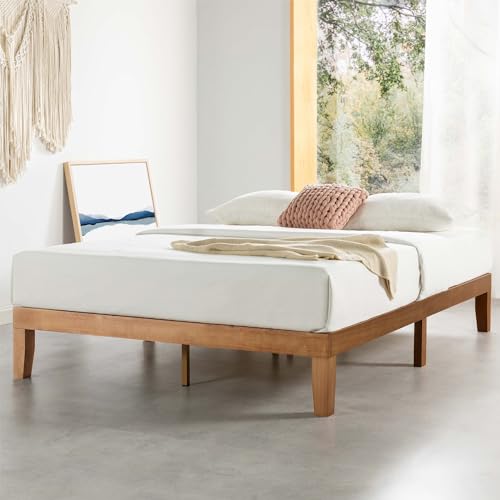
Assessment Techniques for Pre-Owned Items
To determine the worth of pre-owned items, I examine several key aspects. First, I investigate the brand reputation. Well-known manufacturers usually retain higher resale values due to their established quality standards. Next, I inspect the item’s condition meticulously. Minor wear and tear is acceptable, but significant damage can drastically reduce desirability and pricing.
Market Trends and Comparisons
I research current market trends by browsing listings on various online platforms. This helps me gauge average selling prices for similar items, allowing for a more accurate estimate. I also take note of seasonal demand; certain types of luxury goods may fetch higher prices during holidays or special events.
Unique Features and History
Distinctive attributes can elevate an item’s significance. Custom finishes, rare designs, or a compelling story behind the piece can add emotional value. I always inquire about the item’s history, as verified provenance can enhance its appeal and justify a higher asking price.
Assessing the Condition of Furniture Items
First, examine the physical integrity of the piece. Look for visible damage: cracks, scratches, and dents can significantly impact how much I might pay. If the construction is solid, including strong joints, that adds to the desirability.
Next, inspect any upholstery. Check for stains, tears, and wear. Freshness or cleanliness not only enhances appeal but also indicates potential costs for cleaning or reupholstering.
Material matters. Wood, metal, or fabric each has a different durability. I focus on signs of wear specific to the material, like water damage on wood or fading in fabrics. Authentic materials often reflect superior quality and longevity.
Don’t forget about functionality. Ensure drawers open smoothly and mechanisms work properly. A malfunction can reduce a piece’s attractiveness and its resale potential.
Additionally, assess the age and style. Vintage or antique elements can elevate interest, especially if they fit contemporary trends. Authenticity documents and original branding can also enhance the perceived worth.
Finally, consider any modifications or repairs. Professional restorations may add value, while amateur fixes can detract from appeal. A well-done repair can be redeeming, reflecting the item’s story and craftsmanship.
Identifying Brand and Manufacturer Details
Researching brand and manufacturer information is crucial for determining the worth of pre-owned items. Look for labels or tags that provide the manufacturer’s name or logo. Common locations for these identifiers include the underside of tables, inside drawers, or on the back of cabinets.
Consider the following steps to enhance your identification process:
- Inspect for Labels: Check for any brand labels. Renowned brands tend to retain higher values due to their quality and reputation.
- Research the Brand: Once you identify the brand, conduct online research. Look for reviews, history, and the current market demand for their products.
- Examine Construction Techniques: High-quality craftsmanship, unique joinery methods, and materials used can reveal a lot about the item’s origin and value. Brands often have signature styles.
- Join Collector Forums: Participating in enthusiast communities can provide insights from experienced collectors on specific brands and their values.
- Check Auction Results: Look at auction sites for similar pieces from the same maker. This helps gauge current market trends and anticipated pricing.
Consider documenting your findings. Creating a digital portfolio with images and notes about each item will streamline the assessment process. Engaging with experts or appraisers can also offer deeper insights into the pieces you’re evaluating.
Researching Market Prices for Similar Items
To accurately assess the worth of used items, I start by examining the current market for comparable pieces. This provides a solid foundation for determining an appropriate price point.
Online Marketplaces
Utilize platforms like eBay, Craigslist, and Facebook Marketplace. Here’s how:
- Search for items that closely match in style, age, and condition.
- Filter results by completed sales to gauge what buyers have actually paid.
- Take notes on the listings, noting prices and how long items remained available.
Local Consignment Shops and Thrift Stores
These cannot be overlooked:
- Visit various shops to observe pricing strategies. Check if certain brands command higher prices.
- Engage with staff to gain insights into popular trends and pricing.
Benchmarking against similar products in retail stores is also advisable. Identifying the price range for new versions helps in understanding depreciation and expected resale value.
Taking into account regional variations in pricing is essential; local demand significantly impacts value. Finally, compiling this data into a simple spreadsheet aids in clearly visualizing trends and making an informed decision.
Understanding the Impact of Age and Wear
Assessing age and wear is essential for determining worth. Each piece’s history significantly influences its market potential. Start by examining the item’s production date if available, as older, well-preserved artifacts often command higher prices due to perceived craftsmanship and rarity.
Evaluating Signs of Wear
Look closely for scratches, dents, or fading. Minor imperfections add character, yet excessive damage may detract from appeal. Photographs showing all angles assist in communicating condition to potential buyers. For wood items, consider checking for warping or separation.
Historical Context and Trends
Researching design trends associated with different eras can guide your assessment. Mid-century modern pieces, for example, tend to retain or increase in value due to ongoing popularity. Knowing current preferences helps in understanding what characteristics appeal most to buyers.
In conclusion, age and condition interact closely to frame each item’s market picture. A thorough understanding allows for informed pricing and better positioning in the marketplace.
Evaluating Materials and Craftsmanship
Focus first on the types of materials used in the piece. Solid wood items often have a higher resale potential compared to particle board or laminate options. Look for characteristics like grain patterns, weight, and overall finish to assess material quality.
Common Materials
- Hardwoods (oak, walnut, cherry) tend to be prized for their durability and aesthetic appeal.
- Softwoods (pine, cedar) can be of good quality but may not hold value as strongly as hardwoods.
- Metal components should be examined for rust or corrosion, which can indicate neglect.
- Upholstery fabrics like leather or high-density foam add significant value if they are in good condition.
Craftsmanship Indicators
Quality of workmanship directly influences the item’s desirability. Check for the following:
- Joinery techniques such as dovetail or mortise-and-tenon joints signal superior construction.
- Even surfaces and consistent finishes demonstrate careful craftsmanship.
- Check for symmetry and proportions–well-crafted pieces exhibit attention to detail.
- Original hardware or unique design elements can enhance uniqueness and value.
By carefully examining materials and craftsmanship, I can make informed decisions and maximize the potential of any acquired vintage or used pieces.
Considering Local Demand and Trends
Examine local market trends and consumer preferences to gauge interest levels in specific items. Understanding what is currently sought after can lead to more informed pricing. Check local resale platforms, community groups, and thrift shops to see which styles and types of items are selling quickly.
Analyzing Purchasing Patterns
Research seasonal trends; certain styles or items may sell better in different times of the year. For instance, outdoor pieces often gain popularity in spring and summer, whereas cozy indoor items become desirable in colder months. Observe patterns in your locality and adjust pricing accordingly to reflect this demand.
Utilizing Social Media Insights
Leverage platforms like Instagram and Pinterest to see what items are trending among local audiences. Search for hashtags related to your area to uncover insights into what consumers are currently interested in. Engaging with local community groups online can also provide a sense of what potential buyers favor.
| Item Type | Seasonal Demand | Current Trend Indicators |
|---|---|---|
| Outdoor Seating | Spring/Summer | Instagram Posts, Local Markets |
| Vintage Dressers | Year-Round | Community Group Polls |
| Cozy sofas | Fall/Winter | Pinterest Boards, Online Sales Data |
Finally, maintain flexibility; prices may need to shift based on evolving trends and local tastes. Regular assessment of local demand can guide you in making timely and strategic decisions for selling your items successfully.
Utilizing Online Marketplaces for Price Comparisons
To accurately assess the worth of pre-owned items, I recommend exploring various online marketplaces like eBay, Craigslist, and Facebook Marketplace. These platforms allow for a simple side-by-side analysis of similar products. Start by searching for matches to your specific piece, and take note of listing prices and sold items to gauge realistic expectations.
Focus on detailed listings that provide measurements, condition descriptions, and high-quality images. This can significantly impact the perceived value. When analyzing prices, consider the average and median figures to avoid being swayed by outliers. For example:
| Platform | Listing Price | Sold Price |
|---|---|---|
| eBay | $150 | $120 |
| Craigslist | $180 | $160 |
| Facebook Marketplace | $200 | $190 |
Pay close attention to how quickly items sell. Listings that remain unsold for weeks may indicate an inflated asking price. Conversely, pieces that are snapped up swiftly might suggest a strong demand or fair pricing.
Another useful strategy is to join community forums or groups dedicated to buying and selling. Engaging with other users can provide insights into trends and pricing in your locality. This firsthand feedback often leads to informed decisions, ensuring that I remain competitive while setting a price for my items.
Regular check-ins on these platforms can reveal shifts in demand and pricing strategies, influencing future evaluations of other products. By utilizing these techniques, I can confidently arrive at an informed figure for my pre-loved items.
Seeking Professional Appraisals When Necessary
In challenging cases where determining the worth of pre-owned pieces becomes complex due to unique features or limited market knowledge, consulting an appraiser can be invaluable. Engaging a certified expert can provide precise insights regarding rarity, historical significance, and craftsmanship that may not be evident to the untrained eye.
Before selecting an appraiser, I verify their credentials, ensuring they possess relevant certifications and experience in evaluating the specific category of item I am assessing. Personal recommendations and reviews can aid in identifying reliable professionals in my area.
It’s beneficial to prepare for the appraisal by compiling any documentation related to the item’s origin, prior valuations, or marks that indicate the maker. This preparation allows the appraiser to deliver a comprehensive evaluation and can significantly influence the final assessment.
During the appraisal, I pay close attention to the details shared by the expert regarding market trends and demand. Their insights can guide me in making informed decisions about further actions, whether selling, donating, or simply retaining cherished items.
Consideration should also be given to the costs associated with professional appraisals. While the service may incur a fee, the potential for maximizing the return on investment often justifies this expense, especially for high-value or antique items.
Determining Your Own Valuation Criteria
Begin by outlining specific criteria that matter most to you. I recommend creating a checklist that includes factors such as condition, brand reputation, material quality, and aesthetics. This structure will guide your assessment process.
Next, prioritize each criterion based on personal preferences and intended use. For instance, if function is essential, evaluate sturdiness and usability more heavily than style. Conversely, if aesthetic appeal is a priority, focus on design and uniqueness.
Additionally, establish a price range you are willing to pay. Consider your budget and reflect on the emotional value of pieces that resonate with you. This helps in making impartial decisions, especially when tempted by appealing items.
Incorporate feedback from friends or family after they see the potential purchases. Their perspectives can offer insights that you might have missed. Sometimes, a fresh viewpoint can uncover both value and flaws.
Finally, document your findings and experiences with similar items. Keeping notes on past purchases, including prices paid and satisfaction levels, can refine your criteria over time, leading to better choices in the future.


