Caleb Turner

Begin with a mixture of warm water and mild soap, which I find effective for tackling grime. Apply the solution using a soft-bristle brush, taking care to work in the direction of the grain to avoid scratching the surface. This method not only aids in removing dirt but also preserves the finish.
Afterward, rinse thoroughly with clean water to eliminate any soap residue. It’s crucial to ensure no suds remain, as this can cause buildup and affect the appearance over time. I recommend using a hose with a spray nozzle for an even rinse, ensuring that all corners and crevices are addressed.
For stubborn stains, a paste made of baking soda and water can be directly applied to the affected area. Allow it to sit for a short period before gently scrubbing. This approach is particularly handy for mildew or algae, often seen in humid conditions.
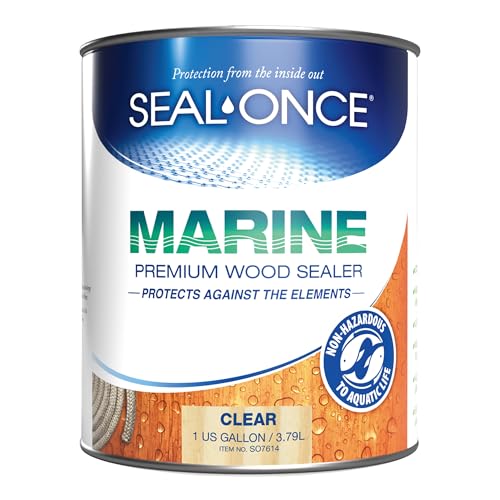


Finally, to maintain the natural beauty and durability of your timber pieces, consider applying a protective sealer or wood oil after cleaning. This not only rejuvenates the finish but provides a barrier against future wear and tear.
Steps for Cleaning Outdoor Wooden Pieces
Begin with a soft-bristle brush to remove loose dirt and debris from the surfaces. It’s important to address any dust buildup before applying any cleaning solutions.
Prepare a mixture of mild soap and warm water. I prefer a gentle dish soap to avoid damaging the finish. Test this solution on a small, inconspicuous area first to ensure compatibility.
Use a sponge or a cloth to apply the soapy mixture, scrubbing gently in the direction of the grain. This minimizes the risk of scratching. For stubborn stains, a soft scour pad may be used carefully.
Rinse thoroughly with a garden hose, ensuring that no soapy residue remains. Maintaining a clean wipe is crucial to prevent any film or stickiness.
To protect the surfaces, I recommend applying a suitable sealer after the pieces have dried completely. This step helps preserve the natural beauty and extends the lifespan of the materials.
Store items in a sheltered area during harsh weather conditions to reduce wear. If indoor space is limited, consider using covers that allow for airflow while providing protection.
Routine maintenance, including periodic assessments for signs of damage or wear, is key. Address minor repairs immediately to avoid escalation.
Choosing the Right Cleaning Solution for Wood
For effective maintenance, I recommend opting for a solution that combines mild soap and warm water. This blend is gentle yet sufficient for tackling dirt and grime without compromising the integrity of the surface. Aim for a natural soap, such as castile, which is biodegradable and easy on the environment.
If stains persist, consider using a vinegar-water mixture. Combine equal parts white vinegar and water to create a solution that can break down tougher stains and mildew. Apply it with a soft cloth or sponge, allowing it to sit for a few minutes before rinsing.
For deeper cleaning, a specialized wood cleaner is an option. Choose one specifically formulated for outdoor use, free of harsh chemicals, to preserve the finish and prevent damage. Always test any cleaner on a small, inconspicuous area first to ensure compatibility.
If the surface has accumulated significant mold or mildew, I recommend a mix of one cup of bleach per gallon of water. Use this solution sparingly, applying it carefully and rinsing thoroughly to avoid discoloration.
After cleaning, allow the surface to dry completely before applying any protective finishes. This step ensures that moisture doesn’t get trapped, which can lead to future damage.
Preparing the Furniture for Cleaning
I recommend removing all cushions and decorative items from the surfaces. This eliminates any potential damage during the cleaning process and ensures a thorough job. If your pieces have removable parts, consider detaching them for easier access.
Next, I suggest inspecting the wood. Look for signs of wear, like splintering or fading. This assessment helps determine the extent of cleaning needed and if any repairs may be required afterward.
It’s advisable to sweep off any loose debris or dirt with a broom or soft brush. This initial step prevents grime from being ground into the grain during scrubbing. For stubborn residues, a damp cloth can be used gently.
Cover nearby plants or surfaces to protect them from drips or cleaning solutions you might use later. Using tarps or old sheets can provide an effective barrier against spills.
Finally, it’s wise to choose a day with mild weather for this task. Direct sunlight can dry out cleaning agents too quickly, and rainy conditions can complicate the process.
Techniques for Removing Dirt and Grime
I recommend using a soft-bristle brush to tackle stubborn debris. Gently scrub the surface, paying attention to corners and crevices where dirt accumulates. This method prevents scratches while effectively dislodging built-up material.
For more intense cleaning, mix a solution of warm water with a few drops of mild soap. Dampen a cloth and wipe down the surfaces, rinsing frequently. This approach helps maintain the finish while removing grime.
Using a pressure washer can be beneficial for heavily soiled items. Keep the nozzle at least two feet away to avoid damage. Use a fan tip rather than a straight stream to distribute water evenly.
Alternatively, consider a vinegar-water solution for a natural cleaning option. Mix equal parts vinegar and water, then apply with a cloth. This method also aids in removing mildew.
Lastly, routine maintenance with regular dusting can prevent grime buildup. Incorporating these techniques into your cleaning routine ensures longevity and enhances the appearance of your outdoor pieces.
Addressing Mold and Mildew on Wood Surfaces
To effectively eliminate mold and mildew, begin by mixing a solution of one part bleach to three parts water in a bucket. Always wear gloves and eye protection when handling bleach.
Apply the mixture to the affected areas using a scrub brush or a spray bottle, ensuring thorough coverage. Let it sit for about 10 to 15 minutes to penetrate the spores.
Next, scrub the surface with a brush to lift the mold and mildew. Use a stiff-bristle brush for more stubborn spots, while a softer brush suffices for lighter infestations.
After scrubbing, rinse the area with clean water to remove all residues of the cleaning solution. It’s best to use a hose or pressure washer at a low setting, as this ensures all cleaner is washed away without harming the surface.
To prevent recurrence, consider applying a protective sealant specifically designed for exterior applications. This will create a barrier against moisture, reducing the chances of mold and mildew returning.
- Regularly inspect and clean surfaces to catch mold growth early.
- Avoid placing furniture directly on the ground, allowing airflow underneath.
- Store items in a dry area during harsh weather conditions to minimize dampness.
By following these steps, the integrity of the surfaces will be preserved while ensuring a clean, aesthetically pleasing look for outdoor seating and decor.
Drying and Protecting Your Furniture After Washing
Immediately after cleaning, I ensure that the surfaces are dried thoroughly. I prop up the pieces or place them on a slanted surface to promote airflow. Using a clean, dry cloth helps to remove any remaining moisture. I avoid direct sunlight to prevent warping or cracking.
Once completely dry, I apply a suitable sealant specifically formulated for wooden surfaces. This creates a protective barrier against future elements. I pay close attention to the manufacturer’s instructions regarding application and drying times. A light sanding before applying the sealant can enhance adhesion and provide additional protection.
Regularly reapplying the sealant, typically every year or as needed, keeps the pieces looking fresh and prolongs their life. I also store cushions and accessories indoors during extreme weather to prevent fading and deterioration.
For added maintenance, I regularly inspect joints and connections for any signs of wear. Tightening loose screws or bolts promptly extends the overall lifespan of my outdoor pieces. Keeping an eye on these details helps ensure my investments remain in good condition.
Maintaining Cleanliness Between Washes
To keep your patio seating and tables looking pristine between cleanings, I apply a few straightforward strategies. Regularly wipe down surfaces with a damp cloth to remove dust, dirt, and food residues. A microfiber cloth can effectively trap particles without scratching the surface.
Routine Care Tips
Investing a little time in maintenance can significantly extend intervals between thorough cleanings. Here are some effective methods:
| Action | Frequency | Tools Needed |
|---|---|---|
| Dust surfaces | Weekly | Microfiber cloth |
| Wipe down with a damp cloth | Bi-weekly | Soft sponge, warm water |
| Apply a protective spray or wax | Monthly | Wood protectant |
Additional Protection
Using furniture covers when not in use adds a layer of defense against the elements. These covers help prevent fading and protect against moisture buildup by acting as a barrier. Additionally, positioning your items under a sheltered area can reduce exposure to rain and sunlight, minimizing damage and dirt accumulation.
Regularly checking for loose screws or structural integrity can prevent further issues that might arise from neglect. By staying proactive, I ensure that my outdoor settings remain inviting and beautiful throughout their service life.