
 Caleb Turner
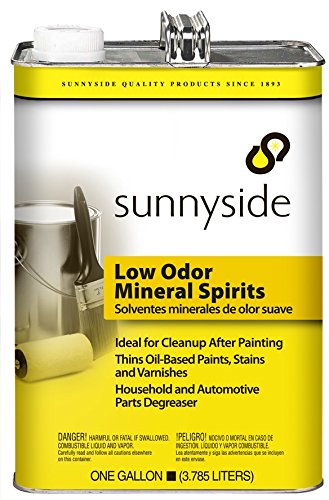
I recommend applying an appropriate solution to remove grime and build-up from your wooden pieces effectively. Begin by gathering a clean, lint-free cloth, ensuring no excess fibers are left behind.
Pour a small amount of the solvent onto the cloth and avoid soaking it. Gently rub the surface, following the direction of the grain, to maintain the natural look. This technique helps lift dirt without damaging the finish.


After treating a section, wipe it with another dry cloth to remove any residue. For deeper stains, repeat the process as needed, always monitoring the finish to avoid any adverse reactions.
Selecting the Right Type of Mineral Spirits for Cleaning
For optimal results, I choose a highly refined variant with minimal impurities. This ensures that the cleaning solution is effective without causing damage to the finish. Look for products labeled as odorless; they are less harsh and safer for indoor use.
I always check the label for the VOC (Volatile Organic Compounds) content, as lower amounts indicate a safer choice. A formulation with a high purity level works without leaving behind oily residues, which can attract dirt over time.
If I need to tackle stubborn grime or residue, I select a stronger version, specifically designed for heavy-duty applications. However, for regular upkeep, a milder option suffices and minimizes the risk of damaging delicate surfaces.
Packaging matters too; a container with a resealable cap helps preserve the product for repeated uses. I also prefer containers that make pouring easy, ensuring I avoid spills and waste.
Lastly, I pay attention to environmental certifications. Selecting a product recognized for being eco-friendly not only benefits my home but also aligns with my sustainability values.
Preparing wood furniture for cleaning with mineral spirits
Ensure the area is well-ventilated before getting started. Open windows and doors or utilize a fan to promote airflow.
Gather necessary supplies
- Lint-free cloths or rags
- Protective gloves
- Mask or respirator (if sensitive to odors)
- Drop cloth to protect surrounding surfaces
Initial cleaning steps
- Dust the surface thoroughly with a dry cloth or microfiber duster to remove loose dirt and debris.
- For stubborn spots, lightly dampen the cloth with water and gently wipe the surface. Allow it to dry completely.
- Inspect for any peeling paint, finish, or damage that might need attention before proceeding.
Avoid using any abrasive cleaners or scrubbing pads, as they can scratch or damage the surface. When ready, proceed to apply the cleaning agent effectively and safely.
Applying mineral spirits safely: tools and techniques
Always wear gloves and a mask before handling this solvent. Protective eyewear will prevent irritation from splashes. Ensure your workspace is well-ventilated; open windows or use exhaust fans to minimize inhalation of fumes. Avoid any sources of ignition nearby, as the vapors are flammable.
Necessary Tools
Use a clean, lint-free cloth or a soft sponge for application. Avoid materials that could leave fibers behind. A shallow container is ideal for pouring out the solvent; this minimizes the risk of spills. Have a second cloth on hand for wiping off residue. Optionally, consider using a paintbrush with soft bristles for detailed areas.
Application Techniques
Dip the cloth or sponge lightly in the solution; saturate it enough to dissolve dirt without soaking. Apply it gently in the direction of the grain, allowing the solution to break down grime. For stubborn spots, you may need to let it sit briefly. After cleaning, wipe the surface with a dry cloth to remove excess product.
Removing stains and grime from wood surfaces
For eliminating tough stains and dirt from natural surfaces, I recommend a two-step approach. First, test a small, inconspicuous area with the chosen solvent to ensure no adverse reactions occur. Once confirmed, move forward with the process.
Step-by-Step Guide
1. Select a clean, lint-free cloth. Soak it lightly with the solvent, ensuring it’s damp but not dripping. This prevents oversaturation, which can damage finishes.
2. Gently rub the stained area in a circular motion. Start with minimal pressure to assess how the substance reacts. If necessary, increase pressure gradually.
3. For stubborn spots, let the solvent sit for a few moments before rubbing. This allows the product to penetrate the grime better.
Types of Stains and Recommendations
| Type of Stain | Recommended Approach |
|---|---|
| Water Rings | Apply the solvent and buff lightly until the stain lifts. |
| Grease Marks | Use a thicker application. Allow it to sit briefly before wiping it away. |
| Ink Stains | Blot gently with a solvent-soaked cloth without rubbing too hard to avoid spreading. |
After treating stains, wipe the cleaned area with a dry cloth to remove any remaining residue. Regular maintenance using appropriate products helps prevent tougher stains from forming, extending the lifespan and beauty of the surface.
Testing for Compatibility with Finishes Before Use
I recommend conducting a compatibility test before applying any solvent on your surfaces. Choose a hidden area, such as the back or the underside, and apply a small amount of the product using a clean cloth. Wait for a few minutes to observe any changes in texture, color, or sheen.
Understanding Various Finishes
Each finish reacts differently to solvents. For example, shellac and lacquer can dissolve easily, while polyurethane might withstand some solvents better. Knowing the specific type of sealant or protective layer on your pieces enables effective testing.
Documenting Results
After assessing the initial area, note any reactions, like discoloration or dulling. If no adverse effects appear, it is usually safe to proceed with the entire surface. If issues arise, consider alternative cleaning methods more suitable for the finish in question.
Proper disposal of used mineral spirits and rags
Dispose of used solvents and cleaning cloths responsibly to prevent environmental harm. Adhere to these steps:
- Allow rags to dry completely in a well-ventilated area on a non-flammable surface. This reduces the risk of spontaneous combustion.
- Once dry, place the rags in a sealed metal container to minimize fire hazards and accidents.
- Take the container to a local hazardous waste facility for proper disposal. Confirm the facility’s acceptance of such materials beforehand.
- Avoid throwing rags in regular trash, as they may ignite unexpectedly.
- If using a disposable cloth, check for specific disposal guidelines provided by the cloth manufacturer.
Always keep safety procedures in mind during disposal to protect both yourself and the environment.
Maintaining Wood Furniture After Cleaning with Mineral Spirits
To preserve the condition of your wooden surfaces, applying a high-quality wax or furniture polish after the cleanup is advisable. This layer protects against scratches, enhances the sheen, and offers additional moisture resistance. Regularly buffing these finishes will help maintain their luster and prolong the life of the piece.
Humidity levels can affect wood. Consider using a humidifier in dry conditions to prevent cracking and warping. In humid environments, ensure proper ventilation to avoid mold and mildew growth.
Routine dusting with a soft, lint-free cloth is essential. This prevents buildup that can dull the finish and damage the surface over time. Avoid using cleaning agents not specifically formulated for wood, as they may degrade protective finishes.
Inspect for any cracks or damages post-cleaning. Addressing these early with appropriate fillers or varnishes will help maintain structural integrity. Schedule professional assessments for antique pieces or items with significant value.
Lastly, consider positioning wooden items away from direct sunlight and heat sources to prevent fading and drying. Positioning in a stable environment preserves their appearance and durability.


