
 Caleb Turner

Applying a quality finishing agent can rejuvenate the surface of your wooden pieces brilliantly. To begin, ensure the surface is free of dust and debris. A soft cloth dampened with a mild solution of soap and water will effectively prepare your item, providing the perfect base for treatment.
Next, take a small amount of the chosen enhancer and work it into the wood with a clean, lint-free cloth. Circular motions allow for even distribution. Pay special attention to any areas that appear dull or worn, applying additional product as needed for those spots.
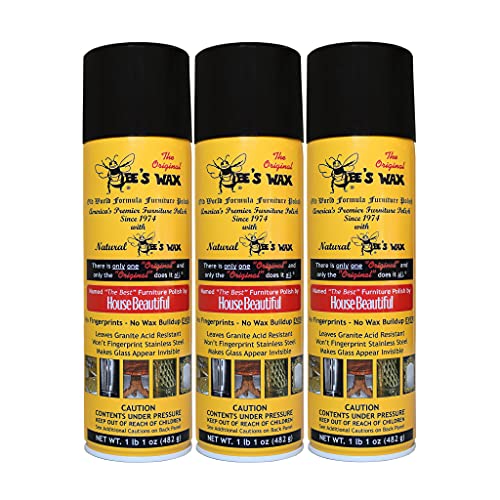

After applying the solution, let it absorb for a short period. This allows the wood to fully benefit from the nourishing ingredients. Once the time has passed, buff the surface gently with a dry cloth, bringing forth its natural luster. This simple process not only enhances the appearance but also provides a protective layer against future wear.
Choosing the Right Furniture Wax for Teak
I recommend considering the composition of the product. Opt for a blend containing natural ingredients like beeswax or carnauba wax. These components not only enhance the appearance but also provide lasting protection.
Factors to Evaluate
- Clear vs. Tinted: Clear products maintain the wood’s natural color, while tinted options can enhance or alter the hue.
- Application Ease: Choose a formulation that spreads easily and dries uniformly. This prevents streaking and ensures an even finish.
- Durability: Look for a formula that offers resistance to water, heat, and wear to prolong the finish.
Environmental Considerations
- Low VOC: Selecting low volatile organic compound products minimizes harmful emissions, benefiting health and the environment.
- Eco-Friendly Brands: There are options from brands committed to sustainability. Research their practices to ensure they align with eco-conscious values.
Finally, testing the selected option on a small, inconspicuous area before full application will help gauge how well it interacts with your specific piece. Always follow up with regular maintenance to ensure the beauty of your wooden items lasts.
Preparing the Teak Surface Before Application
Before applying the product, thoroughly clean the surface. I prefer using a damp cloth to remove dust and dirt. For tougher stains, a mild soap solution works well. Make sure to rinse with clean water and wipe dry afterward.
Inspect the wood closely. Look for any signs of damage, such as scratches or cracks. If I notice imperfections, I gently sand those areas with fine-grit sandpaper. This creates a smooth texture and helps the product adhere better.
After sanding, vacuum the dust or use a tack cloth to ensure the surface is free of residue. This step is critical as leftover particles can interfere with the application process.
Allow the surface to dry completely. Humidity can affect the outcome, so I always check for moisture levels. An ideal environment for application is one that is cool and dry.
| Step | Description |
|---|---|
| Cleaning | Wipe with a damp cloth; use mild soap for stains. |
| Inspection | Check for scratches or damage. |
| Sanding | Sand imperfections with fine-grit paper. |
| Dust Removal | Vacuum or use a tack cloth to remove dust. |
| Drying | Ensure the surface is completely dry before proceeding. |
Applying Wax: Tools and Techniques
For application, I rely on a few key implements. A microfiber cloth is indispensable, offering a gentle yet effective touch on delicate surfaces. Alternatively, a soft cotton cloth works wonders for spreading the product evenly. I avoid abrasive materials, as they can damage the finish.
Tool Selection
Choosing the right tools enhances the process. I prefer a clean, lint-free cloth for best results. If I need a more thorough application, a natural-bristle brush allows for precise distribution in intricate areas. This method ensures every corner receives the treatment it deserves.
Application Technique
I apply in a circular motion, allowing the mixture to penetrate the surface deeply. This technique helps achieve a uniform coat while minimizing streaks. After initial application, I let it sit for a few minutes before buffing with a fresh cloth. Buffing is crucial as it brings out the natural luster and sets the finish.
Timing is key; I usually check the surface after an hour to assess if a second coat is warranted. Two or three thin layers yield the most durable and attractive outcome. Patience during this stage pays off significantly.
Proper Drying Time for Teak Wax Polish
After applying the coating, allow it to dry for a minimum of 30 minutes to one hour before proceeding with any buffing or additional layers. This time frame is critical for optimal adhesion and finish integrity.
For best results, consider a drying time of up to 24 hours in humid environments, as moisture can prolong the drying process. During this period, keep the surface in a well-ventilated area, avoiding any dust or debris that may settle on the finish.
Before buffing, gently press your finger against the surface. If it feels tacky, further drying is required. If it’s dry and no residue transfers to your finger, it’s ready for buffing.
In colder climates, extending the drying period to 48 hours may be beneficial to ensure that the coating cures properly, preserving the wood’s natural beauty and extending its durability.
Maintaining and Refreshing Waxed Teak Furniture
Regular upkeep of your sealed wood pieces can significantly extend their lifespan and enhance their appearance. I’ve found that a soft cloth lightly dampened with mineral spirits efficiently removes dust and grime without damaging the surface. Following this, I apply a thin layer of protective treatment once every six months to a year, depending on environmental conditions.
Restoration Techniques
To rejuvenate dull or scuffed areas, I gently sand the affected spots using fine-grit sandpaper, always in the direction of the grain. After smoothing, I wipe away any dust particles with a clean cloth. Once the surface is prepared, reapplying the protective coating restores shine and luster.
Preventive Care
Positioning these items away from direct sunlight and excessive moisture helps maintain their original finish. Using coasters and placemats when placing items on the surface can further prevent scratches and heat damage. By adopting these habits, I’ve noticed a significant reduction in wear and fading over time.
Common Mistakes to Avoid When Using Wax on Teak
Applying too much material is a frequent error. A thin, even layer is more effective than a thick coating, which can create a sticky residue. Carefully check the manufacturer’s instructions for recommended application techniques and quantities.
Neglecting surface preparation often leads to poor results. Any existing dirt, grime, or old remnants must be removed for optimal adhesion and finish. Use a gentle cleaner and a soft cloth, making sure to let the surface dry completely before proceeding.
Using abrasive tools can damage the wood. Always opt for soft applicators like microfiber cloths or foam pads instead of scrubbing sponges or steel wool.
Timing Issues
Applying new material before the previous layer has fully cured can hinder the drying process and lead to unsatisfactory results. Always ensure adequate drying time based on product guidelines.
Ignoring Environmental Factors
Temperature and humidity play significant roles in the success of the application. Avoid working in overly humid conditions or extreme temperatures, as these can affect both application and drying processes. Ideally, aim for a controlled environment, away from direct sunlight or drafts.


