Caleb Turner

For optimal results, ensure that the surface is clean and free of dust. I recommend using a soft cloth or a natural sponge for gentle application. The key is to work in small sections, applying the product in circular motions. This technique enhances absorption and creates a uniform finish.
Allow the blend to sit on the wood for several minutes. This waiting period enables the mixture to penetrate the surface, promoting nourishment of the material. Afterward, take a clean, dry cloth to buff the area, revealing a rich, warm glow that enhances the natural beauty of the wood.
For maintaining the longevity of your pieces, reapply every few months or whenever the surface begins to lose its luster. This practice not only restores shine but also provides a protective layer against moisture and grime. Regular treatment contributes to keeping your wooden assets looking their best for years to come.
Selecting the Right Beeswax Polish for Your Furniture
Prioritize natural blends, ensuring they contain minimal synthetic additives. A product high in pure wax content will provide optimal protection and shine to surfaces. Check for the inclusion of natural oils, as they contribute to nourishment while enhancing luster.
Be mindful of the wood species for which the formulation is intended. Some variations are tailored specifically for softwoods, while others suit hardwoods. Choosing the right match will yield better results and extend the longevity of your surface.


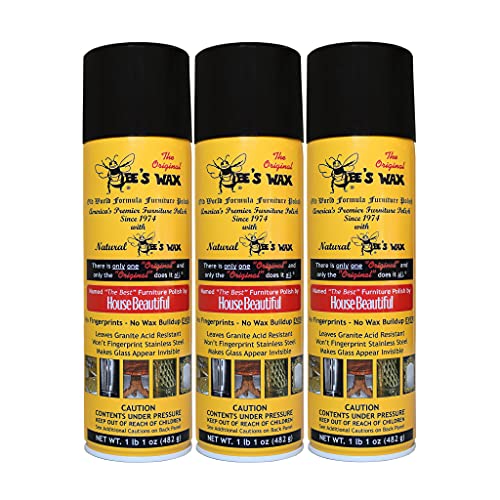
Consider the finish already on your items. If they are oiled or varnished, verify compatibility with your chosen product to avoid adverse reactions. Always conduct a spot test on an inconspicuous area before wide application.
Packaging matters–opt for user-friendly containers that facilitate smooth application. A tin or jar design allows for easy access and minimizes waste, ideal for working on detailed areas.
Lastly, consult reviews or seek guidance from experienced users to identify reputable brands. Their insights can shed light on performance and satisfaction levels, allowing you to make an informed choice.
Preparing the Surface Before Applying Beeswax Polish
Thoroughly clean the item to remove dust, dirt, and oils that can hinder adhesion. I prefer using a damp microfiber cloth for this task, ensuring no moisture seeps into the wood.
If you’re dealing with an older piece, I recommend checking for any previous coatings. If present, a gentle sanding using fine-grit paper will help create a smooth surface. Be cautious with this step; always sand in the direction of the grain to avoid scratches.
For any stains or spots, use a dedicated wood cleaner before polishing. After cleaning, allow the surface to dry completely–this typically takes a few hours. Ensuring the wood is prepped correctly enhances the final sheen.
Once dried, inspect for imperfections like scratches or dents. Lightly fill these with wood filler matching the color. After it cures, sand it even with the surrounding area. A meticulous preparation leads to a more polished finish.
Applying wax treatment with the appropriate tools
I prefer using natural bristle brushes for applying the mixture, as they distribute the product evenly and reach into crevices effectively.
Recommended Tools
- Natural bristle brushes: Ideal for larger surfaces.
- Lint-free cotton or microfiber cloths: Perfect for buffing after application.
- Sponges: Useful for intricate designs and corners.
- Palette knife or spatula: Helps in scooping the product for easier application.
Process Overview
- Use a natural bristle brush to apply a thin layer onto the surface.
- Ensure even coverage, avoiding excess product that could lead to buildup.
- After the application, take a lint-free cloth to buff the area, enhancing shine and removing any residue.
Prior to working on a piece, I assess the needed tools based on the surface area and detail. Opting for the right tool enhances the final finish and makes the entire process smoother.
Techniques for Buffing After Wax Application
To achieve a high-gloss finish, I recommend using a soft, lint-free cloth for buffing. Microfiber cloths work exceptionally well as they don’t leave behind fibers or scratches.
Buffing Techniques
After applying the wax and allowing it to dry, I’ll follow these steps for effective buffing:
- Choose a circular motion while buffing to evenly distribute the sheen.
- Apply consistent, moderate pressure; excessive force can lead to uneven surfaces or damage.
- Work in small sections, ensuring each area receives adequate attention before moving on.
Timing and Technique
Timing is key. I wait about 15-30 minutes after applying the wax for drying before beginning the buffing process. This allows the product to set but remains malleable enough for effective finishing.
When buffing, I prefer to switch between the cloth’s sides to utilize the surface optimally, alternate methods until reaching the desired luster. For hard-to-reach areas, a fine-bristled brush is helpful to ensure all spots are polished evenly.
| Tool/Cloth Type | Best For |
|---|---|
| Microfiber Cloth | General buffing |
| Soft Cotton Cloth | Final shine |
| Fine-Bristled Brush | Intricate or corner areas |
Inspect the results under good lighting. If any dull spots remain, I repeat the buffing process until achieving a uniform shine. Regular maintenance ensures lasting beauty and protection for the surfaces treated.
Frequency of application for optimal results
For achieving the best outcomes, I apply this natural product every three to six months. The timing largely depends on the environment and level of use. In high-traffic areas, I might choose to refresh the coating every three months to maintain protection and appearance.
If the surface appears dull or dry, it indicates that a new layer is needed. During seasonal changes, I often take the opportunity to reapply, ensuring that surfaces remain well-nourished and safeguarded against temperature fluctuations and humidity.
Special circumstances
In humid climates, monitoring the condition of surfaces is vital. I recommend checking for signs of moisture damage, which may necessitate more frequent updates. Conversely, in dry areas, I may extend the interval to six months.
Personal routine
Establishing a personal schedule aligns well with my cleaning routine. I allocate time to assess and reapply as necessary, ensuring that my items always look their best while remaining well-protected. Regular attention keeps surfaces vibrant and enhances their lifespan.
Lastly, always remember to consider the specific material and finish of each piece; some may have unique needs that influence how often this treatment should be performed.
Removing old polish before reapplying beeswax
Thoroughly eliminate any old coating before I apply a fresh layer of natural wax to ensure optimal adhesion and finish.
Follow these steps for effective removal:
- Identify the current finish: Determine if the existing product is oil-based, water-based, or another type to select the right approach.
- Gather materials: Use a soft lint-free cloth, a non-abrasive cleaner, a plastic scraping tool, and mineral spirits or denatured alcohol as needed.
- Test in an inconspicuous area: Apply the chosen solvent to a small section to confirm compatibility with the surface and avoid damage.
Once confirmed, proceed with the following:
- Apply solvent: Dampen a cloth with the solvent and gently wipe the surface, focusing on areas with accumulated wax. Ensure even coverage.
- Scrape as necessary: For stubborn spots, I use a plastic scraper to carefully lift residue without scratching the surface.
- Wipe clean: After removal, use a clean, dry cloth to remove any remaining cleaner or solvent, ensuring the surface is free of contaminants.
After prepping the surface, allow it to dry completely before moving on to the application of the new wax product. This process guarantees a smooth and lasting finish.
Storing beeswax polish for longevity
To ensure the longevity of your wax-based product, store it in a cool, dry place away from direct sunlight. Ideally, the container should be airtight to prevent moisture and air exposure, which can lead to hardening or degradation. Glass or metal containers with tight-fitting lids work well for this purpose.
Temperature considerations
A temperature range between 50°F and 75°F (10°C to 24°C) is optimal. Extreme heat may cause the wax to melt or alter its consistency, while cold temperatures can make it difficult to apply. Avoid places like garages or attics that may experience temperature fluctuations.
Checking for quality before use
Before each application, inspect the mixture for any signs of separation or unusual odor. If the consistency has changed or an off-smell is present, it may be time to replace the product. Regular checks will help maintain its effectiveness when you decide to apply it to surfaces.
Common mistakes to avoid when using beeswax furniture polish
Using the right techniques is key to achieving the desired look. One common error is over-applying the product. A thin layer is sufficient; too much can lead to a sticky finish and attract dust.
Another mistake is neglecting surface preparation. Failing to clean thoroughly allows dirt to mix with the mixture, resulting in uneven application and an unattractive appearance.
It’s important to choose the wrong applicator. Using a rough cloth can scratch the surface. Instead, a soft, lint-free cloth or a natural fiber pad works best.
Using excess pressure while buffing is also problematic. Light, even strokes allow for a smoother finish and prevent damage to the underlying layer.
Not allowing adequate drying time between applications tends to create a buildup. Following the manufacturer’s guidelines for drying times ensures a consistent and polished result.
Applying in direct sunlight or high humidity can affect the performance. Cooler, shaded areas are optimal for best results.
Lastly, not testing on an inconspicuous area can lead to unexpected outcomes. Conduct a small test to see how the surface reacts to avoid potential disappointment.
| Mistake | Consequence | Solution |
|---|---|---|
| Over-application | Sticky finish, attracts dust | Apply a thin layer |
| Poor surface preparation | Uneven appearance | Clean thoroughly |
| Wrong applicator | Scratches on the surface | Use soft, lint-free cloth |
| Excess pressure while buffing | Damage to the finish | Use light, even strokes |
| Inadequate drying time | Buildup of product | Follow drying time guidelines |
| Application in direct sunlight | Poor performance | Apply in shade |
| No test area | Unexpected reactions | Test on inconspicuous spot |