Caleb Turner
Consider reimagining your classic table with a fresh coat of paint or stain. A rich, deep hue can add warmth, while a lighter shade brings a modern touch. Choose a color that complements your overall aesthetic to maintain harmony.
Swap out heavy upholstery for lighter, more contemporary fabrics. Opting for vibrant patterns or textures can create a focal point without overwhelming the space. Incorporate throw pillows in contrasting colors to complete the look.
Mix and match chairs to create an eclectic vibe. Using different styles can add character and charm, allowing you to express your personal taste. Select a unifying element, such as color or material, to tie the pieces together.
Incorporate stylish accessories to enhance the overall ambiance. Think about elegant table settings, unique centerpieces, or stunning lighting fixtures that draw the eye. These elements can instantly elevate your eating area, making it a place to enjoy family meals and gatherings.


Revamping Classic Dining Area Pieces
Consider applying a fresh coat of paint or stain to your pieces. A lighter shade can brighten the atmosphere, while a darker tone adds sophistication. This simple change can entirely transform the look.
Incorporating Textiles
Swap out existing upholstery or drapes for modern fabrics. Opt for contemporary patterns or textures that enhance the visual appeal without overshadowing the original charm. Adding colorful cushions can also create a more inviting feel.
Accessorizing Smartly
Introduce stylish accessories such as statement centerpieces or artistic tableware. These elements can serve as focal points and draw attention to the updated elements of your space. Consider using metallic accents or unique materials to create contrast and interest.
Assessing the Condition of Your Current Furniture
Carefully inspect each piece for signs of damage or wear. Look for scratches, dents, and loose joints that may affect stability.
For wooden items, check for any discoloration or warping. Examine the finish; if it appears dull or chipped, it may need refinishing.
Upholstered pieces should be evaluated for stains, fraying, or sagging. Test the cushions for firmness and support, as these factors impact comfort.
- Check for stability: Gently shake tables and chairs to identify any wobbling.
- Inspect drawers and doors for smooth operation; ensure they open and close without resistance.
- Assess the structural integrity: Look for rust on metal components or signs of mildew on fabrics.
Make notes on each item’s condition. Prioritize what requires immediate attention versus what can be repaired later. This will help in making informed decisions about any modifications or enhancements you may contemplate.
Choosing a Color Scheme for Your Update
Selecting the right palette significantly impacts the atmosphere of the space. Start by assessing existing decor, lighting, and architectural features. This will guide your choices towards complementary shades that enhance the overall aesthetic.
Consider the Following Color Schemes:
| Color Scheme | Description | Best For |
|---|---|---|
| Monochromatic | Utilizing various shades and tints of a single hue creates a sophisticated and cohesive look. | Minimalist themes or small spaces. |
| Analogous | Combining colors that are next to each other on the color wheel brings harmony and tranquility. | Warm environments or relaxed settings. |
| Complementary | Pairs contrasting shades for a bold and dynamic effect, making features pop. | Modern styles or spaces requiring emphasis. |
| Neutral | Incorporating whites, grays, and beiges offers flexibility and can be dressed up with accessories. | Classic and adaptable settings. |
Test paint samples on your walls to see how they interact with natural and artificial light throughout each day. This will give insight into how the colors shift and feel in different contexts.
Emphasizing Texture and Accents
Consider incorporating various materials–wood, metal, fabric–to add depth. Complement your chosen palette with textured elements through curtains, rugs, and tableware. This elevates the appearance without overwhelming the senses.
Modernizing Traditional Styles with Hardware Changes
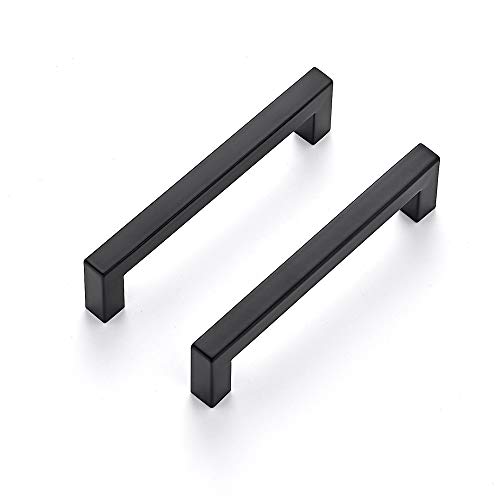
Replacing knobs and handles is a straightforward method to breathe new life into older pieces. Opt for sleek metal finishes like brushed nickel or matte black to create a contemporary feel. Mixing different hardware styles, such as pairing traditional cabinet pulls with modern knobs, can yield striking results.
Don’t overlook hinges; upgrading to concealed or soft-close hinges can improve functionality while enhancing aesthetics. When selecting hardware, consider scale and proportion; oversized elements can make a bold statement, while smaller pieces can offer subtle sophistication.
Incorporating accents like decorative corner braces or ornate keyhole covers can introduce unexpected flair. Choosing contrasting colors for hardware against painted surfaces draws attention and elevates the overall design. This approach creates a focal point that distinctly shifts the look without extensive alterations.
Experimenting with vintage or antique hardware from local shops or online marketplaces adds character and uniqueness. Don’t hesitate to mix finishes for an eclectic vibe; combining brass with chrome can create a dynamic visual interplay. Each piece should contribute to the desired overall atmosphere, ensuring cohesion among elements.
While changing out hardware can seem simple, the impact is profound when it comes to transforming the aesthetic quality of each item. Take time to visualize how these modifications will harmonize with your updated aesthetic, allowing personal style to shine through. This strategy effectively rejuvenates cherished pieces while maintaining their original charm.
Applying Paint or Stain for a Fresh Look
To refresh a space, selecting the right paint or stain transforms existing pieces effectively. Here’s a streamlined approach:
Choosing Between Paint and Stain
- Paint: Provides a uniform finish and vast color options, ideal for a bold statement. Use a high-quality primer, especially on wooden surfaces, for better adhesion.
- Stain: Enhances the natural grain of the material, offering a classic touch. Look for oil-based stains for durability, or go water-based for quicker drying times.
Preparation Steps
- Clean the surface thoroughly to remove dirt and grease.
- Sand the furniture to ensure a smooth application. Start with coarse grit, then move to fine grit for a polished finish.
- Use painter’s tape on areas that need protection from overspray or drips.
After preparation, apply the chosen product using the appropriate tools:
- Brush: Best for precision work and edges.
- Roller: Great for flat surfaces; it speeds up the process.
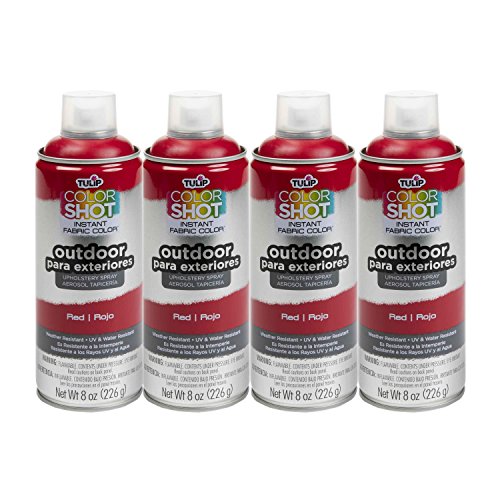
- Spray: Ideal for achieving an even coat on intricate designs.
Allow the first coat to dry completely and inspect for any imperfections before adding a second layer. Consider using a topcoat to protect the finish and enhance longevity.
Incorporating New Upholstery on Chairs
Choosing a fabric that complements the overall aesthetic is paramount. I recommend selecting durable materials like linen or cotton blends for high-traffic areas. Velvet also adds a luxurious touch but may require more upkeep.
Measure the existing chair seats precisely before purchasing fabric. Aim for about one yard per chair for standard seat cushions, while armchairs may need up to two yards. Consider patterns; stripes and florals can create visual interest but require careful placement during application.
Removing old upholstery may involve using pliers to take out staples or tacks, making way for a clean foundation. Keep the existing padding intact if it’s in good condition; adding new batting can refresh the cushioning without starting from scratch.
When attaching new fabric, I find that a staple gun provides a secure hold. Make sure to pull the fabric taut yet not overly tight to avoid ripples. For a neat finish, fold corners carefully and secure them harmoniously to maintain an elegant profile.
Lastly, finish with a layer of protective spray, especially if you reside with pets or children. Treating the fabric enhances its longevity and makes cleaning spills much easier.
Adding Decorative Accents to Enhance Features
I often choose statement pieces like oversized artwork or a bold mirror to create a focal point. They draw the eye and can completely transform the atmosphere. For instance, an elegant chandelier above the table not only illuminates but becomes a centerpiece. Different textures can add depth; I incorporate woven baskets or ceramic vases to introduce contrast.
Accessorizing with textiles such as vibrant table runners or decorative placemats shifts the room’s vibe. I also love arranging fresh flowers or seasonal arrangements, as they bring life and color. Layered lighting options, including candles or LED strips, add warmth and highlight features beautifully.
Integrating personal items like family heirlooms or travel souvenirs can infuse character and storytelling into the space. I often utilize shelves for displaying these treasured mementos, adding a personal touch that resonates. Finally, I recommend experimenting with color through accents like cushions or decorative bowls to tie together the chosen palette.
Mixing and Matching Furniture Styles Effectively
Combine various design influences by focusing on a cohesive color palette. Start with a dominant hue that unites the pieces, then select complementary shades to introduce diversity without overwhelming the space.
Balance Proportions
Consider the scale of each item. Pair larger, robust pieces with sleek, lighter ones to create visual interest. For example, juxtaposing a hefty table with airy chairs can maintain balance while showcasing different aesthetics.
Incorporate Textures
Layering textures enhances depth. Use soft textiles like velvet or linen alongside materials such as wood or metal. This tactile variation contributes to a dynamic atmosphere and draws attention to each object.
Pay attention to style periods. Mixing modern elements with classic designs can offer a fresh perspective. An antique sideboard may shine next to contemporary chairs, creating a dialogue between eras that invites conversation.
Accessorization plays a crucial role in merging styles. Incorporate diverse decorative elements such as a modern centerpiece on a vintage table or contemporary wall art above classic seating. This creates a cohesive narrative throughout the space.
Creating a Cohesive Table Setting with Updated Pieces
To achieve a harmonious table setting, select a color palette that reflects your style while complementing your revamped elements. Choose tableware that incorporates these hues–dishes, glassware, and linens should work together to create visual interest and a polished atmosphere.
Utilizing Textures
Incorporate different textures in your table settings for a layered look. For example, pair smooth ceramics with woven placemats or linen napkins. The contrast in materials adds dimension and elevates the overall appearance of the table.
Layering Accessories
Use varying heights and shapes for centerpieces and decorative items. Large vases with tall greenery can be offset by smaller candle holders or rustic bowls. This mix not only draws the eye but also enhances the feel of openness, encouraging conversations during meals.
Integrate stylish trays to corral smaller items, keeping the setting organized while adding a chic component. These elements, when thoughtfully curated, result in a cohesive and inviting presentation that showcases the charm of your refreshed space.