Caleb Turner

Begin by stripping any old paint or finish with a quality paint remover to reveal the natural beauty of the wood. Make sure to use this in a well-ventilated space. Once the surface is smooth, consider sanding it lightly with fine-grit sandpaper to ensure the new finish adheres well.
Next, opt for an eco-friendly stain or varnish to enhance the wood’s rich colors while protecting it from environmental factors. I have found that water-based products are less toxic and dry faster than their oil-based counterparts. Apply multiple thin coats, allowing each to dry completely for a long-lasting finish.


Accessorizing is key. Incorporate new handles or knobs that complement the piece’s design. Unique hardware can transform a simple look into a standout statement. Think about adding cushions or textiles that reflect your personal style to make the items not only functional but also inviting.
Lastly, don’t hesitate to repurpose these pieces for unconventional uses–turn a small table into a charming nightstand or transform an old bench into a decorative planter. This creative approach helps reduce waste while giving your space a fresh perspective.
Assessing the Condition of Your Teak Pieces
Begin by examining the surface for scratches, dents, or discoloration. Lightly running your fingers across the surface can reveal imperfections that are not immediately visible. For deeper scratches, a wood filler can be effective in restoring smoothness.
Check for Structural Integrity
Evaluate joints and connections by gently wiggling different parts. Are they secure? If any joints feel loose, they may need to be reinforced with wood glue or dowels. Inspect the legs and support structures for signs of weakness or wobbling.
Assess the Finish
Look at the finish; a worn or faded appearance indicates it may require refinishing. If the surface feels rough, sanding might be necessary before applying a new coat of sealant. If you notice any peeling or bubbling, stripping the old finish completely may be required before restoration.
Finally, consider moisture exposure. Dark spots or warping often suggest water damage. If present, drying the material and using appropriate restoration techniques is essential to prevent further deterioration.
Choosing the Right Tools for the Upcycling Process
For this transformation endeavor, I prioritize a set of specific tools that streamline the task. A high-quality orbital sander ensures a smooth surface finish. I opt for various grit sandpapers, ranging from coarse for removing old finishes to fine for polishing. A handheld scraper works wonders for dealing with stubborn spots.
Essential Hand Tools
Woodworking saws, including a jigsaw or circular saw, are key for resizing or reshaping pieces. A set of chisels is invaluable for intricate detailing or carving. Clamps help secure materials during assembly, preventing any mishaps while I work. I also keep a good hammer and an assortment of nails, screws, and wood glue on hand for durable connections.
Finishing Touches
To complete the look, I rely on brushes or foam applicators to evenly distribute varnishes or paint. A spray gun can expedite the process for larger surfaces, providing a professional finish. Finally, safety equipment, such as gloves and a mask, is a must to protect myself from dust and fumes while restoring these timeless pieces.
Cleaning and preparing teak furniture for refinishing
First, I clean the surface thoroughly using a mixture of warm water and mild soap. A soft cloth or sponge effectively removes dirt and grime without scratching the wood. For stubborn stains, I utilize a gentle abrasive cleaner designed for natural woods.
Next, I rinse the piece with clean water to eliminate any soap residue. After rinsing, I allow the item to dry completely, typically 24 hours, ensuring no moisture remains before proceeding.
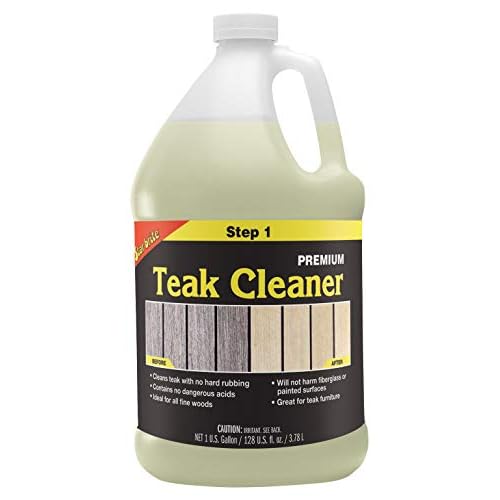
If the wood shows signs of oxidation or graying, I apply a specialized teak cleaner that revitalizes its natural color. Following the cleaner’s instructions is essential for optimal results.
Once cleaned, I inspect the surface for imperfections such as scratches, dents, or loose joints. I address these issues before refinishing, sanding down rough areas with fine-grit sandpaper, which smooths the surface and prepares it for new finishes.
| Step | Notes |
|---|---|
| 1. Clean Surface | Use warm water and mild soap. Soft cloth recommended. |
| 2. Rinse | Remove all soap residue with clean water. |
| 3. Drying Time | Allow at least 24 hours for complete drying. |
| 4. Apply Cleaner | Use a specialized cleaner for a fresh appearance. |
| 5. Examine for Damage | Look for scratches, dents, or loose parts. |
| 6. Sanding | Smooth rough areas with fine-grit sandpaper. |
With proper cleaning and preparation, the piece is set for refinishing, ensuring a polished and lasting finish.
Techniques for Removing Old Finishes and Stains
Begin with a visual inspection to identify the type of finish applied. For lacquer or varnish, apply a solvent such as denatured alcohol or acetone. Use a soft cloth to gently rub the surface, allowing the solvent to penetrate and soften the finish.
Using Chemical Strippers
If the surface has multiple layers of old paint or a tough finish, a chemical stripper may be necessary. Select a non-toxic option for safer handling. Apply it generously with a brush, covering the entire area. Allow it to sit for the recommended time, then scrape the loosened finish off with a putty knife. Always follow the manufacturer’s instructions closely.
Sanding Techniques
For stubborn stains or remnants of finish, manual sanding can effectively restore the surface. Use 120-grit sandpaper to start, sanding with the grain to avoid scratches. Progress to finer grits, such as 220, to achieve a smooth finish. Regularly check the surface to ensure no residual finish remains before proceeding to refinishing.
After stripping, clean the piece thoroughly with a damp cloth to remove dust and debris before applying new finishes.
Applying new finishes: oils, stains, and sealants
I recommend using specific oils that penetrate deeply, enhancing the natural beauty of the wood. Danish oil is an excellent choice for a matte finish, while tung oil offers a more protective layer. Apply oil with a soft cloth, using circular motions to ensure even coverage, and allow it to soak for about 15-30 minutes before wiping off the excess to prevent a sticky residue.
For a change in color, consider using stains. Water-based stains provide quick drying times and easy cleanup, while oil-based stains offer richer coloration. Test the stain on a hidden area first to ensure the desired effect. Apply with a brush or cloth, working along the grain, and wipe off the excess as needed.
Sealants protect against moisture and wear. A clear polyurethane sealant or a penetrating epoxy can preserve the finish and provide durability. Ensure the surface is clean and fully dried before application. Use a foam brush for even application, and follow with a light sanding after drying to achieve a smooth finish. Multiple coats will increase protection, with light sanding between each, ensuring a polished look.
Incorporating Design Changes and Personal Touches
To enhance the look of your piece, I recommend adding unique hardware, such as custom drawer pulls or knobs that align with your vision. Consider replacing outdated hinges with more modern ones that not only function better but also elevate the aesthetic.
In terms of color, experimenting with bold and unconventional shades can breathe new life into your design. A fresh coat of paint can completely transform an old piece, allowing it to match your existing decor or stand out as a statement item.
Textured Accents
Adding texture can make a significant difference. I often use stencils for patterns or decals to create a custom feel without major alterations. Incorporating fabric, such as reupholstering surfaces with vibrant textiles, introduces warmth and comfort while allowing for versatility.
Personalized Features
Integrating personal elements, such as engraving or insetting photographs, gives the piece a sentimental value. I also recommend considering functionality; incorporating hidden compartments or adjustable shelving adds both practicality and a unique twist that aligns with today’s needs.
Finally, consider sourcing reclaimed elements from other projects. Mixing different materials not only enhances visual interest but also tells a story about the evolution of your piece, making it truly one-of-a-kind.
Finding Inspiration and Tutorial Resources Online
I recommend starting with platforms like Pinterest, where you can search for specific projects using keywords related to your restoration goals. Look for boards dedicated to rejuvenating wood pieces, as they often showcase various styles and techniques.
Additionally, YouTube provides a wealth of video tutorials. Channels that focus on craft projects can be particularly helpful. I often find step-by-step guides that break down each phase of the restoration process with clear visuals.
Consider visiting DIY blogs; many writers share their personal experiences and tips. Look for posts that include before-and-after pictures, as they can give you a strong sense of what is achievable.
- Pinterest: Explore boards focused on wood restoration.
- YouTube: Search for channels dedicated to DIY projects for visual guidance.
- DIY Blogs: Check out personal stories and detailed walkthroughs on specific tasks.
For additional insight, forums and online communities like Reddit can be valuable. Engaging with other enthusiasts allows for shared knowledge and ideas. You can ask questions about particular challenges or gather insights on what has worked well for others.
Don’t overlook Instagram, where many artisans and hobbyists showcase their works. Searching specific hashtags related to your project can lead you to innovative approaches and design ideas.
- Reddit: Join subreddits focused on DIY topics to seek advice.
- Instagram: Follow hashtags related to restoration for fresh inspiration.
Combining these resources will enhance your creative process, providing both the motivation and practical guidance needed for your transformation projects.
Maintenance Tips for Upcycled Teak Furniture
Regular care is fundamental for sustaining the allure and durability of your revitalized pieces. Follow these effective strategies:
-
Dust Regularly:
Use a soft, lint-free cloth to remove dust and debris. This prevents scratches and keeps surfaces looking fresh.
-
Avoid Harsh Cleaners:
Opt for mild soap mixed with warm water instead of chemical cleaners. Harsh substances can strip finishes and damage the wood.
-
Check for Moisture:
Ensure that the area around your item remains dry. Excess humidity can warp the material, leading to deterioration.
-
Periodic Re-Oiling:
Apply natural oils, such as teak or coconut oil, every 6 to 12 months. This helps maintain luster and protects against drying out.
-
Use Coasters and Mats:
Prevent water rings and heat damage by using coasters under drinks and placing mats under hot items.
-
Store in Climate-Controlled Conditions:
Avoid exposure to extreme temperatures and direct sunlight, which can cause fading and cracking.
-
Inspect Joint Integrity:
Regularly check joints for looseness or cracks. Tighten screws or re-glue as necessary to maintain stability.
These practices will extend the lifespan and maintain the beauty of your refurbished items, ensuring they remain functional and appealing for years to come.