Caleb Turner
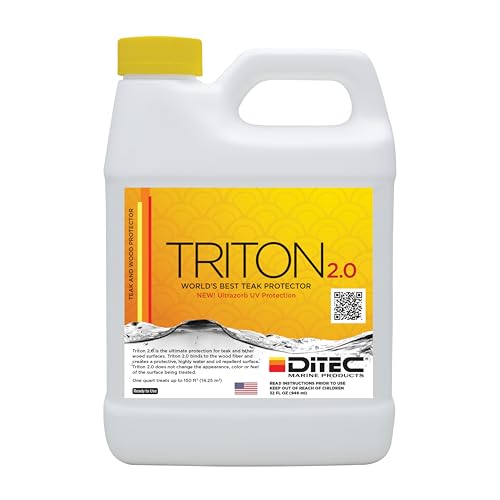
Regularly apply a high-quality oil, such as mineral or tung oil, to maintain the luster and durability of your premium furnishings. This process prevents drying and cracking, ensuring a long-lasting finish. Use a clean, soft cloth to apply the oil in the direction of the grain, allowing it to seep in for optimal absorption.
Periodically, clean the surface with a gentle soap solution, avoiding harsh chemicals that can strip natural oils. Soft cloths or sponges work best for this task, minimizing the risk of scratches. Rinse thoroughly with clean water and dry the surface promptly to prevent moisture buildup, which could lead to mold.
To protect against sun damage, position furnishings away from direct sunlight or use protective covers. If peeling or discoloration occurs, lightly sand the affected area and reapply oil for a seamless blend. Regular maintenance will ensure your elegant pieces remain beautiful and functional for years to come.
Understanding the Natural Properties of Teak
The high oil content in this species serves as a natural barrier against moisture, making products resistant to water damage. This quality is particularly advantageous for items exposed to humid environments. Its density contributes to resilience against rot and various pests.
Colors and Aging
Freshly crafted pieces typically exhibit a rich golden hue, which can gradually transition to a silver-grey patina due to prolonged exposure to sunlight. Regular oil application can preserve the original shade while enhancing grain patterns.


Grain Patterns and Texture
Characterized by its tight, straight grain, the texture is smooth to the touch, allowing for intricate designs. Any surface imperfections can be easily sanded out, restoring the piece’s aesthetic appeal without affecting durability.
Choosing the Right Cleaning Products for Teak
Opt for a mild, pH-balanced soap when cleaning. Products designed for fine surfaces or natural oils are preferable, as they won’t strip the material’s natural moisture. Avoid harsh chemicals, bleach, and ammonia, which can cause discoloration and damages.
Natural Oils and Conditioners
Applying natural oils such as teak oil or tung oil can enhance the appearance while providing a protective layer. These options penetrate well, nourishing the fibers and preventing cracking. Regular application, approximately every six months, will maintain the luster.
Cleaning Tools
Select soft cloths and brushes with natural bristles to avoid scratching the surface. Microfiber cloths work great for dusting and light cleaning, while a soft-bristled brush can help reach into tight corners. Invest in a high-quality polishing cloth to apply oils or cleaners without leaving residue.
Properly Cleaning Teak Furniture
To maintain the beauty and longevity of your high-quality pieces, I prioritize regular cleaning. I recommend using a soft, damp cloth to wipe down surfaces weekly, ensuring dust and dirt do not accumulate.
For a deeper clean, a mixture of mild soap and warm water works effectively. I use a soft sponge, avoiding any abrasive materials that could scratch the finish. After applying the soap solution, I rinse the sponge with clean water and wipe away any residue. It’s essential to immediately dry the surface with a clean towel to prevent water spots.
If stubborn stains or mildew occur, I prepare a solution of one part white vinegar to two parts water. After applying this mixture gently, I let it sit for a few minutes before wiping it off with a microfiber cloth, followed by a thorough drying.
Always avoid harsh chemicals, as they can strip away natural oils and damage the finish. Instead, I opt for eco-friendly products specifically designed for care. Regular maintenance not only enhances appearance but also preserves the integrity of each piece over time.
Methods for Oiling Teak Wood
Use a high-quality mineral oil or a specific teak oil blend for optimal results. Apply a thin layer using a clean, soft cloth or a brush, working with the grain.
Before oiling, ensure the surface is clean and dry. A light sanding with fine-grit sandpaper can enhance oil absorption. After application, allow the oil to soak in for at least 15 to 30 minutes, then wipe off any excess to prevent a sticky residue.
For maintenance, reapply every 3 to 6 months, depending on exposure to sunlight and moisture. Regular oiling can help retain natural color and resist UV damage.
Consider using a combination of teak oil and varnish for added protection, especially for pieces enduring harsh weather. It’s essential to follow the manufacturer’s instructions on the oil product to achieve the best finish.
To avoid uneven application, work in sections and blend the edges. If the surface appears dull despite oiling, it may require thorough cleaning or a deeper oil treatment. Keep in mind that excessive oil can lead to a greasy finish, so moderation is key.
Best practices for sanding teak surfaces
I recommend using medium-grit sandpaper, such as 120 to 150 grit, for initial sanding. This range effectively removes dirt and surface imperfections without damaging the structure. Ensure that I sand in the direction of the grain to avoid scratches that could mar the finish.
Safety Precautions
It’s essential I wear a dust mask and goggles while sanding to protect my lungs and eyes from fine particles. A well-ventilated area is ideal to minimize exposure to dust.
Sanding Technique
I start with a light touch, applying even pressure across the surface. For larger areas, I find an orbital sander convenient, as it allows me to maintain consistent pressure and reduces the risk of uneven spots. I keep changing the sandpaper frequently; dull paper can cause more harm than good. After completing the initial sanding, I switch to finer grit, around 220, to smooth the surface further before finishing.
Finally, I always clean the surface thoroughly after sanding to remove all dust particles, ensuring the subsequent treatment adheres properly. A damp cloth works well for this step; I avoid any harsh chemicals that might interfere with the upcoming application.
Protecting teak from UV damage
To shield this dense timber from ultraviolet radiation, I recommend applying a high-quality UV protectant. Products containing UV inhibitors can minimize sun exposure’s harmful effects, helping to preserve the natural color and grain patterns.
Application Frequency
Applying the protectant every six months ensures optimal defense. If the item is frequently exposed to intense sunlight, consider quarterly applications for enhanced protection.
Application Process
Follow these steps for effective application:
| Step | Description |
|---|---|
| 1 | Clean the surface thoroughly to remove dirt and grime. |
| 2 | Ensure the surface is dry before applying any products. |
| 3 | Use a soft cloth or brush to evenly apply the UV protectant. |
| 4 | Allow adequate drying time as per the manufacturer’s instructions. |
In addition, consider using a cover during prolonged exposure to the elements. This simple measure offers significant protection against sun damage and other environmental factors.
When selecting a product, check for compatibility with the finish on the surface. Some coatings might react negatively with certain protectants, which can cause discoloration or peeling over time.
Dealing with Mold and Mildew on Teak
Remove mold and mildew using a solution of water and vinegar in equal parts. Apply it to the affected areas with a soft cloth or sponge, allowing it to sit for about 10-15 minutes before wiping it away with a clean, damp cloth.
If the problem persists, consider a mild soap specifically for natural surfaces. Mix this with warm water, apply it to the grayish areas, and scrub gently with a soft brush. Rinse thoroughly with clean water afterward.
For stubborn stains, a specialized teak cleaner can be used, always following the manufacturer’s directions. Ensure the area is well-ventilated during application.
After cleaning, dry the surface completely to prevent further growth. It’s advisable to use a fan to expedite drying.
To reduce the likelihood of recurrence, maintain a consistent maintenance routine:
- Regularly dust the surfaces to inhibit mold spores.
- Ensure proper airflow around the items in storage.
- Keep the environment dry using dehumidifiers if necessary.
In outdoor settings, regularly inspect pieces, especially after periods of rain or high humidity. Address any issues immediately to preserve their appearance and integrity.
For future protection, consider a high-quality outdoor sealant designed for use on natural materials. This can help resist moisture and prevent mold build-up.
Storing teak furniture during off-seasons
For optimal preservation during off-seasons, it’s best to keep outdoor seating and tables indoors. A climate-controlled space helps maintain consistent humidity and temperature, preventing warping and cracking.
Before relocating the pieces, ensure they are clean and dry. Remove dust, debris, and moisture to avoid mildew formation. I often schedule a thorough cleaning session prior to storage, using a gentle soap solution followed by thorough drying.
If space allows, store items vertically or stack them to minimize surface contact. This reduces pressure points and potential damage. Use felt pads or blankets between stacked pieces to avoid scratching.
Prevent exposure to sunlight in storage areas. Direct sunlight can lead to fading and drying out over time. Consider covering items with breathable fabric to protect from dust while allowing air circulation.
Regularly check the stored pieces for any signs of moisture accumulation or pests. I make it a routine to inspect my collection every month. If mold or mildew is detected, address it immediately with appropriate measures.
If storage might extend over a year, think about applying a protective coating before placing items away. This helps to maintain the integrity and appearance while dormant.
Upon returning the pieces to outdoor use, allow for acclimatization. Gradually expose them to sunlight and fresh air to prevent sudden changes that could lead to damage.
Signs that your teak furniture needs maintenance
If you notice the following indicators, it may be time to take action regarding your beloved wood pieces:
- Fading Color: A significant change in hue, especially to a dull gray, signals that your surfaces require attention to restore their natural beauty.
- Surface Roughness: When contact feels gritty or uneven, it’s a clear sign that wear has affected the finish, necessitating refinishing or oiling.
- Cracks or Splits: Visual checks for any signs of cracking can indicate dehydration. Address this swiftly to prevent more extensive damage.
- Water Stains: Persistent watermarks that do not easily wipe away suggest that moisture has penetrated the protector layer, requiring more thorough cleaning and treatment.
- Growth of Fungus: Spotted mildew or mold means immediate intervention is required. Clean and treat these spots promptly to prevent spread.
- Presence of Rust: Metal fittings or hinges oxidizing signals potential moisture issues. Ensure these are addressed to avoid compromising the structural integrity.
- Dulling of Finish: A noticeable lack of sheen suggests that top protective layers have worn away. Reapplication of appropriate oils or sealants will restore the glow.
Regular checks for these signs will prolong the life of your precious items and keep them looking their best.