Caleb Turner

To rejuvenate aged upholstery pieces, I recommend starting with a gentle cleaning using a damp microfiber cloth. This is crucial to remove accumulated dust and grime without causing damage. For deeper stains, a mixture of mild soap and water can be effective; just ensure to test it on an inconspicuous area first.
After cleaning, I apply a specialized conditioner designed for the material. This step not only nourishes the surface but also helps restore natural suppleness. Applying the conditioner with a soft cloth in circular motions ensures an even distribution, bringing out the item’s inherent luster.
For stubborn creases or marks, I find that using a steam cleaner from a safe distance can help lift them. However, patience is key–allow the piece to dry completely before using any additional products. Regular maintenance, such as avoiding direct sunlight and keeping humidity levels in check, will prolong the lifespan and appearance of these timeless treasures.
Assessing the Condition of Your Leather Seating
Before engaging in any maintenance or restoration, it’s critical to evaluate the surface closely. Start by inspecting for visible damage, such as cracks, fading, or discoloration. Use a soft cloth to wipe the surface, as any dust or debris can obscure underlying issues. Pay attention to worn areas which may indicate vulnerability.


Identifying Specific Issues
Look for areas with noticeable wear where the finish has deteriorated. If the material feels dry or rough to the touch, it’s likely that moisture has been lost over time. Stains from spills or accidents may require different approaches, depending on whether they are oil-based or water-based.
Checking for Structural Integrity
Test the stitching and seams; they’re crucial for overall durability. Any fraying or separation may signal the need for professional repairs. Additionally, inspect the frame to ensure that it remains sturdy and stable as any structural weakness can affect usability.
Cleaning Techniques for Antique Upholstery
I use a microfiber cloth slightly dampened with water to remove dust and dirt from antique upholstery. Lightly wipe the surface, avoiding saturation. For tougher stains, I combine equal parts of white vinegar and water in a spray bottle. I spray it onto a cloth, not directly onto the item, and gently blot the affected area.
Another effective method involves a small amount of mild soap mixed with water. Using a damp cloth, I apply the solution to the stain and carefully rub in circular motions. Afterward, I wipe away any residue with a clean, damp cloth, ensuring no soap remains.
For deeper cleaning, I occasionally opt for a specialized leather cleaner. I apply it according to the manufacturer’s instructions, ensuring compatibility with the material’s type.
After each cleaning session, I let the upholstery air dry completely, away from direct sunlight, to prevent any warping or discoloration. Once dry, I apply a suitable conditioner to keep the surface supple and maintain its appearance.
Choosing the Right Leather Conditioner
Prioritize products specifically designed for the type of hide you are maintaining. Look for conditioners that include natural oils like jojoba or neatsfoot oil, which penetrate the material effectively, replenishing moisture levels and enhancing suppleness.
Ingredients to Seek
Avoid those with harsh chemicals or solvents. Instead, seek out conditioners that feature beeswax, as it aids in creating a protective barrier while allowing the surface to breathe. Plant-based formulations are often gentler and promote long-term care.
Application Tips
Test any product on a discreet area before full application. Use a clean, lint-free cloth to apply the conditioner evenly, working it into the grain of the material. Allow adequate time for absorption, and remove any excess to prevent a greasy finish.
Repairing Scratches and Scuffs
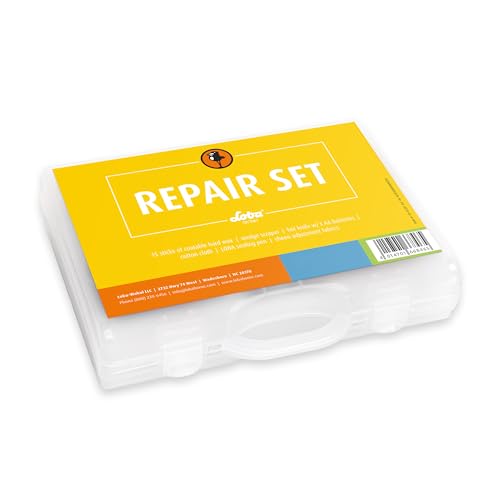
To restore the appearance of marked-up surfaces, I recommend using a specialized leather repair kit. Here’s how I approach the process:
- Clean the Area: Use a damp cloth to gently remove dust and dirt from the scratched region.
- Assess the Damage: Identify the depth of the scratches. If they are just surface-level, a simple polish may suffice.
- Apply Repair Compound: For deeper marks, use the provided compound from your repair kit. Follow the instructions carefully, applying it with an applicator or a soft cloth.
- Allow to Dry: After applying the compound, let it sit for the recommended time. This ensures proper adhesion and sets the repair.
- Blend with Color: If needed, use a color matching spray or dye to blend the repair with surrounding surfaces.
- Seal the Repair: Once dry, apply a leather conditioner to protect the area and restore moisture.
Frequent maintenance can prevent further scratches and prolong the life of the upholstery. Keep a leather care kit handy for regular touch-ups.
Restoring Color to Faded Leather
Able to bring back the lost luster of faded surfaces involves using high-quality leather dyes or pigments specifically designed for this material. Ensure to choose a shade that matches the original tone closely. Test a small, inconspicuous area first to confirm compatibility before applying it to visible sections.
Preparation Steps
Clean the area thoroughly with a pH-balanced cleaner to remove dirt and oils that may prevent proper absorption of the dye. Let it dry completely, as moisture can interfere with the coloration process.
Application Technique
Apply the dye using a soft cloth or sponge, working in small circular motions. Allow the first coat to dry before adding additional layers to achieve the desired intensity. Finish with a conditioner to lock in moisture and enhance softness, ensuring a smooth, balanced finish. Regular maintenance with appropriate products can aid in prolonging the vibrancy of the color.
Protecting Leather from Future Damage
Regular maintenance is key. I apply a high-quality leather protector after cleaning and conditioning, which adds a barrier against stains and spills.
To prevent exposure to direct sunlight, I position the seat away from windows or use UV-protective window films. Excessive heat can also cause drying; therefore, maintaining a stable indoor climate is beneficial.
I recommend using coasters and placemats to shield surfaces from moisture and scratches. In addition, I avoid sharp objects and rough fabrics that could cause abrasions.
Dust buildup can attract particles that scrape the surface, so I ensure to dust regularly with a soft, lint-free cloth. This practice minimizes particles that can lead to wear over time.
For areas prone to wear, such as armrests and seats, I consider using a fabric protector designed for leather. This can reduce the absorbency of liquids and make cleaning easier.
| Tip | Action |
|---|---|
| Leather Protector | Apply after conditioning |
| Sunlight Exposure | Position away from windows |
| Moisture Prevention | Use coasters and placemats |
| Dusting | Regularly with a soft cloth |
| Wear Protection | Use fabric protectors on high-use areas |
For long-lasting preservation, I keep a consistent cleaning schedule and monitor the condition frequently. This proactive approach helps to maintain and enhance the quality of my pieces over time.
Tips for Ongoing Maintenance and Care
Regularly dusting with a soft, dry cloth prevents dirt buildup that can degrade the surface. I make it a habit to wipe down surfaces on a weekly basis, paying special attention to creases and seams where grime tends to accumulate.
Avoid direct sunlight exposure by positioning these items away from windows or using protective window films. This helps preserve the natural color and prevents drying. Using curtains or blinds can further shield against harmful UV rays.
I invest in a high-quality moisture balancer to ensure that the material remains supple. Applying this every few months, especially in dry seasons, helps prevent cracking and maintains flexibility.
For deeper cleaning sessions, I mix a solution of equal parts vinegar and water. I test it on a hidden area first to ensure compatibility. This mixture not only cleans but also neutralizes odors.
For small spills, I immediately blot with a soft cloth instead of rubbing, which can spread the liquid. I keep a dedicated clean cloth nearby for quick responses.
Once a year, I perform a thorough inspection for any signs of wear or damage. Identifying issues early allows for timely intervention, whether it’s moisturizing or repairing scratches.
Lastly, I utilize protective covers during heavy use periods, especially if pets or children are involved. This adds a layer of defense against unforeseen damage, ensuring longevity.