
 Caleb Turner
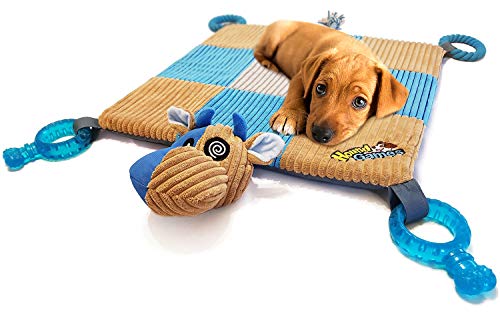
Redirect energy towards appropriate items by offering a variety of durable chew toys. This effectively satisfies the urge to gnaw while preserving household items. Select toys made from sturdy materials such as rubber or nylon to withstand aggressive chewing.
Establish consistent guidelines for what is acceptable to gnaw on. When catching a glimpse of destructive behavior, firmly redirect attention to the designated chew items. Praise and reward positive choices with treats or affection to reinforce good habits.
Consider using deterrent sprays on furniture to discourage interest in those areas. These sprays have unpleasant tastes or scents that most animals would rather avoid. Apply them consistently to develop a strong association between the furniture and an undesirable experience.
Adequate exercise is vital for a joyful and well-behaved companion. Engage in regular physical activities such as walks or play sessions. A tired pet is less likely to seek inappropriate outlets for their energy and curiosity.


By understanding the motivations behind chewing habits and implementing these practical strategies, you can successfully protect your living spaces while ensuring a happy, healthy relationship with your four-legged friend.
Strategies for Redirecting Destructive Behavior
Utilize taste deterrents on items that attract attention. Products containing bitter apple or citrus can deter interest and discourage gnawing on prohibited items. Apply the deterrent consistently and in accordance with the manufacturer’s instructions to ensure effectiveness.
Set up designated chew zones with appropriate toys that satisfy the need to gnaw. Choose durable items such as rubber toys or edible chews. Praise and offer rewards when the pet engages with these alternatives, reinforcing positive behavior.
Incorporate interactive play sessions to channel energy. Activities like fetch or tug-of-war can help alleviate boredom and reduce undesirable habits. Schedule multiple playtimes throughout the day to maintain engagement and satisfy mental stimulation.
Establish a consistent routine and boundaries. Use clear commands to indicate acceptable behavior. Consistency when guiding the pet towards appropriate actions builds understanding and compliance.
Remove access to areas where unwanted behavior occurs. Use baby gates or barriers to restrict access to certain rooms or pieces of furniture. By managing the environment, it becomes easier to diminish the chances of destructive habits developing.
Monitor and adjust the approach based on reactions. Observe how the pet responds to different methods to determine what works best. Some may require more encouragement or different rewards to maintain interest in positive activities.
Understand Why Dogs Chew Furniture
Identifying the motivations behind a canine’s inclination to gnaw on household items is paramount. Various factors contribute to this behavior. Establishing the root cause can guide effective intervention.
Common Reasons
Canines explore their environment through their mouths. Boredom is a frequent trigger; without adequate physical and mental stimulation, they may resort to undesirable actions. Additionally, teething can spur young pups to seek relief by biting on various materials, including household possessions. Anxiety or stress can also provoke destructive tendencies, as the pressure of changes in the environment or separation from guardians prompts solace-seeking behaviors.
Behavioral Insights
Many times, the act of chewing serves as a coping mechanism. Understanding body language and signals can reveal stressors. Observing at what times objects are targeted can unveil recurrent patterns, like heightened activity when left alone or periods of excitement.
| Motivation | Description |
|---|---|
| Boredom | Lack of engagement leads to self-entertainment through chewing. |
| Teething | Puppies seek relief during this painful phase. |
| Anxiety | Stressful situations or separation triggers unwanted behaviors. |
| Exploration | Curiosity drives chewing as a means of investigation. |
By pinpointing these factors, crafting tailored strategies becomes attainable, leading to a harmonious home for both the guardian and their companion.
Identify Chewing Triggers in Your Home
I assess the environment to pinpoint what sparks the gnawing behavior. First, I observe the locations where my pet seems most active in their chewing habits. Items like shoes, pillows, and cables often attract their attention due to texture or smell. By addressing these specific zones, I can minimize temptation.
I also take note of times when this behavior intensifies. Situations such as being left alone, boredom, or lack of physical activity can lead to destructive habits. Creating a schedule that includes ample exercise and interactive playtime can mitigate these triggers.
Another aspect is assessing the materials present. Certain fabrics or wood finishes may tempt my companion more than others. I replace or cover problematic items with deterrent sprays or protective gear that discourages their interest.
Finally, I make sure to create a designated space with appropriate chew toys. If my pet has a specific area stocked with acceptable items, it can redirect their focus away from furniture. Regularly rotating these toys keeps the selection fresh and engaging.
Provide Appropriate Chew Toys for Your Canine Companion
Selecting the right chew items can significantly deter undesirable gnawing on household items. Various options exist, each serving different preferences and chewing styles. Here are some recommendations:
Types of Chew Toys
- Rubber Toys: Durable and often infused with appealing scents, these toys withstand heavy use and provide long-lasting enjoyment.
- Rawhide Chews: Popular among many pups, these are available in numerous shapes and sizes. Ensure they are made from quality materials to reduce choking hazards.
- Dental Chews: Specifically designed to promote oral health while satisfying chewing urges, these options help remove plaque and tartar.
- Stuffed Toys: Soft toys with hidden treats stimulate mental engagement while allowing for gentle chewing.
Choosing the Right Size
It’s vital to select toys appropriate for the size and chewing strength of the canine. Toys that are too small may pose choking risks, whereas excessively large ones might not encourage interest. Always monitor interactions to ensure safety.
Rotate toys regularly to maintain excitement. Familiar items may lose their appeal over time, making it beneficial to introduce new options to keep your companion engaged and satisfied.
Implement Positive Reinforcement Techniques
To discourage unwanted behaviors, I reward desirable actions immediately. For instance, when I catch my pet interacting with approved toys instead of household items, I offer treats or praise. This clearly communicates which behaviors are preferred.
- Choose high-value rewards such as favorite treats that excite and motivate.
- Use a consistent praise phrase or sound to establish a clear link between action and reward.
- Provide reinforcement immediately after the desired behavior to create strong associations.
Setting specific goals helps. For example, I might aim for 10 successful interactions with a designated toy each day. Once achieved, I can introduce more complex scenarios, gradually increasing the challenge while reinforcing positive choices.
Maintaining a positive environment is essential. I avoid scolding for mistakes, focusing instead on redirecting towards appropriate items. This approach fosters trust and encourages my companion to seek out permitted options instead of making decisions that lead to reprimands.
Regular training sessions filled with enjoyable activities keep the experience engaging. Short bursts of practice, lasting about 5-10 minutes, are effective in holding attention and making learning enjoyable.
Tracking progress helps recognize improvements. I keep a journal of behaviors observed, noting successes and areas needing adjustment, encouraging me to stay consistent and patient as habits form.
Set Up a Consistent Training Schedule
Establish a regular routine for sessions that focus on appropriate behavior. Block off specific times each day, ideally when my companion is most alert and energetic. Aim for short, engaging segments ranging from 5 to 15 minutes to maintain interest and prevent fatigue.
Determine Optimal Times
Mornings and evenings are often best for active learning; choose intervals when distractions are minimal. Keep note of periods when my canine seems restless or bored, as these moments may offer opportunities for positive engagement.
Consistency is Key
Repetition breeds familiarity. Consistently reinforce desired actions within the established schedule. This predictable pattern will help reinforce learning, making it clearer what behaviors lead to rewards. Whether using treats, praise, or play, ensure every session remains uniform in approach.
Track progress and adjust the frequency or duration of training to align with my pup’s responsiveness. Celebrate milestones, and don’t hesitate to tweak the plan according to what resonates best with my furry friend.
Redirect Attention During Chewing Incidents
When I catch my canine companion engaging in destructive behavior, I instantly redirect attention by using a specific command followed by a preferred toy. I keep an array of enticing chewables nearby for such moments. The key is decisiveness; I calmly but firmly guide them towards the appropriate item.
Positive Distraction Techniques
I often employ distraction methods that capture interest and shift focus. By shaking a can with treats inside or using a squeaky toy, I aim to create a sound that diverts their attention away from the item being chewed. Consistency is vital; each time I see destructive behavior, I repeat the diversion technique to build an association.
Structured Playtime
Incorporating structured play sessions into the daily routine serves as an excellent way to channel energy. I engage in interactive games that encourage good behavior while simultaneously reinforcing the bond. This allows a productive outlet for their instinctual needs and minimizes unwanted behaviors.
Use Deterrent Sprays to Protect Furniture
To safeguard surfaces from unwanted gnawing, consider applying deterrent sprays specifically designed for this purpose. These products typically contain bitter flavors that are unappealing to animals, which discourages them from approaching the treated areas.
Selecting the Right Product
Choose a formula that is safe for both your pet and your household. Look for sprays labeled as non-toxic, ensuring they don’t pose a risk if ingested. Test any new spray on a small, inconspicuous area of the furniture first to confirm that it won’t damage the finish.
Application Techniques
Apply the spray generously on the surfaces that are frequently targeted. Repeat the application regularly, especially after cleaning or when you notice diminished effectiveness. Consistency plays a key role in ensuring that the deterrent remains effective over time.
Monitor Progress and Adjust Training Methods
Regularly assess the development of behavior modifications. Keep a journal to track incidents of destructive activities and note any improvements. This provides insight into patterns and highlights what strategies are effective.
Analyze Triggers and Responses
Review situations that lead to unwanted actions. If certain environments or aspects provoke the behavior, consider altering these factors or enhancing supervision during those times. Adjusting the surroundings can reduce temptations and distractions, leading to better outcomes.
Refine Techniques Based on Observations
If specific methods show little progress, explore alternative approaches. For instance, increase the frequency of praise when favorable actions occur, or test different toys to find what captures attention best. Continuous evaluation allows for personalized changes that cater to unique characteristics.


