
 Caleb Turner
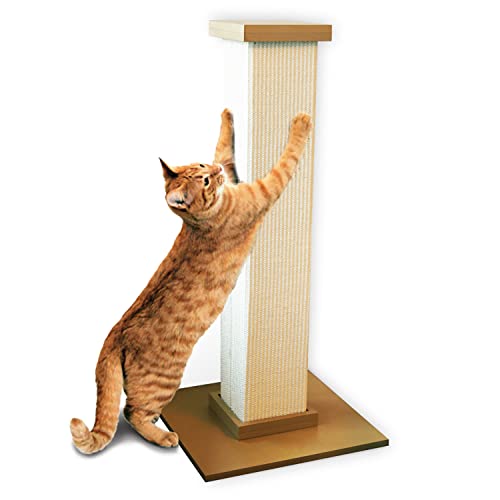
Provide your furry friend with a designated scratching post made from natural fibers. Position it in areas where they usually stretch and scratch, ensuring it’s sturdy and tall enough to accommodate their needs. Establishing a go-to spot for scratching helps redirect their attention away from your valuable items.
Incorporate positive reinforcement to motivate your pet. When you observe them using the scratching post instead of your cherished sofa, reward them with treats or affection. This approach strengthens the connection between desired behavior and rewards, making it more likely they will repeat it.


Discourage unwanted behaviors by utilizing deterrents. Spraying the areas they tend to scratch with citrus scents or commercial sprays specifically designed for this purpose can help convey that those surfaces are off-limits. Consistency in employing these tactics makes a significant difference in shaping their behavior.
Engage your furry companion with regular interactive play sessions. Using toys that mimic hunting, such as feather wands or laser pointers, can divert their energy towards appropriate outlets. Ensuring that your pet is mentally and physically stimulated reduces the likelihood of them seeking out your furnishings for amusement.
Regular nail trimming is another key aspect of maintaining peace at home. Keeping their claws short minimizes damage to surfaces, protecting your belongings while simultaneously promoting a safer environment for both you and your pet.
Techniques for Redirecting Scratching Behavior
Provide engaging alternatives by placing multiple scratching posts throughout the living area. Ensure they are tall enough and stable to accommodate vertical stretching, which attracts attention. Choose varying textures and materials, like sisal or cardboard, to encourage exploration and interaction.
Positive Reinforcement
Reward enjoyable behavior with treats or praise when using scratching alternatives. Keep a consistent schedule, recognizing their efforts immediately. This builds a connection between positive actions and desirable outcomes.
Deterrents for Unwanted Areas
Apply double-sided tape or citrus-scented sprays on surfaces you wish to protect. Cats are often deterred by sticky textures or strong smells, leading them away from undesired areas over time. Reapply these deterrents regularly until the new behavior takes hold.
Understanding Your Cat’s Clawing Behavior
Address the instinctual need for your pet to scratch. This action serves multiple purposes, such as keeping claws healthy, marking territory, and relieving stress. Recognizing these natural impulses helps in directing this behavior appropriately.
Assess the environment. If specific textures or materials attract your furry friend, it may indicate preferences for scratching. Observing where your companion tends to scratch can guide the placement of appropriate alternatives.
- Notice the surfaces your pet prefers: wood, fabric, or carpet?
- Identify times of day or situations that trigger this behavior: is it during play, after eating, or when feeling anxious?
Reduce stressors. Changes in routine, loud noises, or the presence of other animals can lead to heightened scratching. Creating a calm atmosphere can lessen this need.
Incorporate playtime and mental stimulation. Engaging activities can distract your companion from undesirable habits. Interactive toys, wand teasers, or puzzle feeders can keep your pet occupied and reduce stress levels.
- Schedule daily play sessions to burn off excess energy.
- Rotate toys to maintain interest.
Understanding your companion’s natural tendencies paves the way for a harmonious living space. By acknowledging their instincts and needs, you can effectively guide desired behaviors while preserving their happiness.
Choosing Appropriate Scratching Alternatives
Select a variety of scratching posts made from different materials such as sisal, cardboard, and carpet. This variety will engage interest and encourage proper behavior. Ensure the posts are sturdy enough to withstand vigorous use without tipping over.
Location Matters
<p.Place these alternatives in high-traffic areas where I usually spend time. Positioning them near favorite lounging spots increases the likelihood of using them. Consider adding one near any areas that I tend to scratch your belongings.
Interactive Features
<p.Adding interactive elements, such as toys attached to the scratchers, can enhance appeal. Posts with built-in features like crinkle sounds or feathery attachments can provide entertainment and make scratching more enticing.
Regularly monitor the condition of the alternatives and replace them when worn out to maintain attractiveness. Providing different shapes, heights, and styles keeps my interest piqued.
Using Positive Reinforcement Techniques
To encourage desirable behaviors, I employ positive reinforcement consistently. This involves rewarding your pet immediately after they engage with acceptable scratching options. It’s essential to use treats, praise, or petting as rewards.
Effective Reward Strategies
Divide rewards into two main categories:
| Type of Reward | When to Use |
|---|---|
| Treats | Give immediately after the correct action. |
| Affection | Pair with verbal praise or petting. |
Offering a combination of treats and affection enhances their connection to the behavior. Each interaction reinforces the link between the action and the reward, helping to establish that scratching designated items is beneficial.
Timing Is Key
Timing plays a crucial role in positive reinforcement. Rewards should be given within seconds of the behavior to create a clear association. This clarity helps in making the learning experience effective and enjoyable.
By consistently applying these techniques, I am able to create a rewarding environment that nurtures healthy habits while reducing unwelcome scratching.
Implementing Deterrents for Furniture Clawing
Using specific deterrents can significantly reduce the urge to scratch undesired surfaces. I recommend applying citrus scents, such as lemon or orange, to the areas of your home where you want to discourage this behavior. Cats often dislike these fragrances, making them effective natural repellents.
Another approach involves using double-sided tape on furniture surfaces. The sticky texture is unpleasant for the paws, leading to a natural aversion to those areas. Replace the tape as needed to maintain its effectiveness.
Physical Barriers
Consider placing furniture covers or slipcovers that are less appealing for scratching. Materials like vinyl or rough fabrics can act as barriers. Additionally, blocking access to certain areas with furniture or barriers can redirect attention towards acceptable scratching posts instead.
Sound Deterrents
Incorporating sound-based deterrents can also be useful. A sound-emitting device that activates when it detects movement nearby can create an unpleasant experience for your pet each time they attempt to scratch the furniture. Choose a device with a frequency that is irritating to cats but inaudible to humans.
Consistent application of these deterrents, combined with providing appropriate alternatives, will enhance the likelihood of changing scratching habits over time.
Creating a Scratching-Friendly Environment
Place scratching posts in areas where I often observe my little pet playing or resting. This encourages use by creating a familiar and inviting atmosphere.
Incorporate various textures in scratching options, such as sisal, cardboard, or wood, to appeal to different preferences. Experimenting with these materials can help identify what my companion enjoys most.
Position scratching structures vertically and horizontally, as this caters to the natural instincts of climbing and stretching. Combining tall posts and low scratchers helps satisfy diverse behaviors.
Ensure the chosen spots are well-lit and easily accessible. My furry friend is more likely to engage with a post in a bright, inviting environment rather than a hidden corner.
Add enticing scents, like catnip, to the scratching surfaces. This simple addition can make the posts more appealing, drawing my playful companion’s attention away from other surfaces.
Consider inclining the scratching posts at various angles. A slight tilt can add intrigue and encourage exploration, prompting interaction with the designated areas.
Maintain a clutter-free space around scratching areas to promote their use. Overcrowding may deter exploration and interaction, whereas an open environment invites activity.
Regularly rotate locations of scratching alternatives to maintain freshness and interest. My little buddy may become bored with stationary objects, but changing their placement can rekindle enthusiasm.
Monitoring Progress and Adjusting Your Approach
Observe your feline closely during interactions with both designated scratching posts and your belongings. Regular assessments help to pinpoint which environments favor appropriate behavior.
Track Behavioral Changes
- Note the frequency of scratching on furniture compared to alternatives.
- Keep a record of any effective deterrents or positive reinforcement that elicits a positive response.
- Be aware of particular moments, such as when the action occurs most often, to adjust the environment accordingly.
Modify Strategies
- If the current method isn’t yielding results, change the scratching options available. Experiment with different textures or designs of posts.
- Adjust the placement of scratching alternatives. Position them closer to areas of interest or high traffic zones.
- Re-evaluate reward techniques. If treats or praise lose appeal, consider incorporating new toys or playtime as incentives.
Engagement levels can shift based on routines or environmental changes, so stay flexible and responsive to these dynamics. Regularly revisiting and fine-tuning your methods ensures continued progress and harmony in your shared space.


