
 Caleb Turner
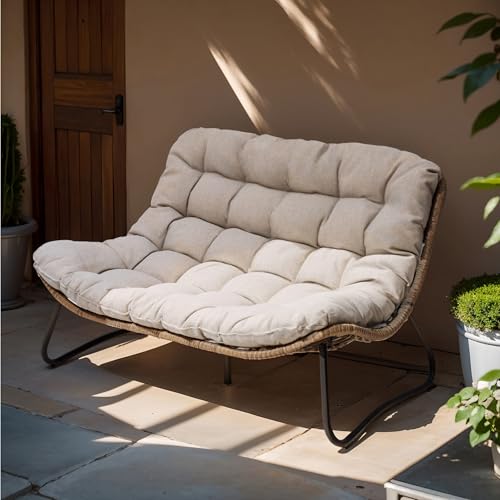
Prioritize checking the frame construction; opt for materials like aluminum or teak, which stand up against the elements. A solid, well-welded frame indicates durability, while plastic or weak metal frames may bend or warp over time.
Inspect the cushions closely. Search for high-density foam filling, which retains its shape and offers comfort. Be wary of materials that appear thin or cheap, as these are likely to degrade quickly. If possible, request to see fabric samples; fade-resistant and water-repellent options provide better longevity when exposed to nature.
Examine the finishes on the wood or metal. A high-quality sealant should be evident; it protects against moisture and UV exposure. Run your hand along the surfaces to check for smoothness or rough spots–sharp edges or splintered areas are telltale signs of poor craftsmanship.
Lastly, consider the brand’s warranty. A generous warranty period usually reflects confidence in their product’s durability. Don’t hesitate to ask the sales staff for specifics; a reputable retailer should readily provide warranty details and service options.


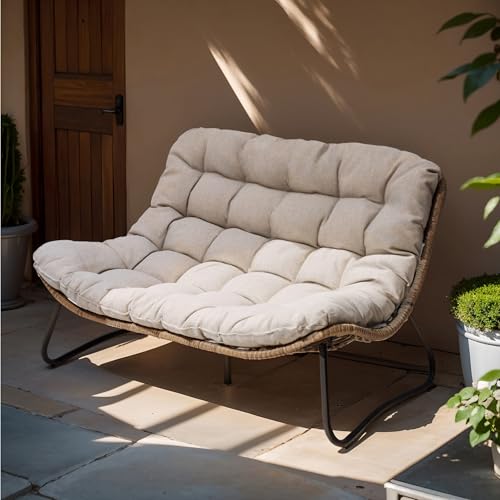

Assessing Durability and Comfort of Garden Seating
Inspect each piece for solid construction. Check joints and seams for sturdiness by applying slight pressure. A well-crafted item should feel rigid and not wobble. Observe how materials respond to the touch; high-quality wood should be smooth and free from splinters, while metal pieces should be devoid of sharp edges or rust.
Evaluating Comfort
When sitting, note the support and cushion response. Cushions should provide comfort without sinking too deeply. Test the height of seating – it should allow easy access without strain. If available, recliners should adjust smoothly and lock securely in place.
Material Inspection
Look for resistance to the elements. Synthetic fabrics should be fade-resistant, while natural materials like teak should show an even grain. Request information regarding maintenance; a reputable retailer will supply insights into longevity and care. Make sure all materials have protective finishes if required.
| Aspect | What to Check |
|---|---|
| Construction | Joint stability, rigidity |
| Comfort | Cushion hardness, seat height |
| Material | Texture, weather resistance |
Always inquire about warranties; a strong guarantee indicates manufacturer confidence. By verifying these elements, I ensure that my selection combines aesthetic appeal with practical functionality.
Examine Material Composition for Durability
I prioritize understanding the material composition of each piece. Start by identifying the primary materials used, such as wood, metal, plastic, or wicker. Each has distinct properties affecting longevity and resistance to elements.
Wood Selection
If wood is involved, look for types like teak, cedar, or eucalyptus. Teak, for instance, is renowned for its natural oils, which offer excellent resilience against moisture and UV rays. I check for a smooth finish, ensuring there are no rough patches that could indicate poor craftsmanship.
Metal Options
For metal constructions, I search for aluminum or stainless steel. These materials resist corrosion, making them suitable choices for external use. I examine the coating finish and ensure there are no chips or scratches; this could be a sign of inadequate protection against the environment.
As for synthetic composites or plastics, I assess their density and structural integrity. Higher-quality options often have improved UV resistance and won’t become brittle over time. I verify that the colors and finishes are uniform, as inconsistencies may suggest inferior quality.
Ultimately, picking durable materials is key to ensuring the items withstand various weather conditions while maintaining their appearance and structural integrity for years to come.
Check for Weather Resistance Features
Examine the product for specific attributes that indicate its capability to withstand outdoor conditions. Look for descriptions that mention treatments or coatings for moisture resistance, such as UV protection or mildew inhibitors. These features will enhance the longevity of the piece against sun exposure and humidity.
Conduct a tactile assessment. Feel the surfaces; they should have a robust finish that doesn’t easily scratch or peel. If possible, inquire about the material’s ability to repel water. A quick test involves lightly splashing water on the surface–if it beads and rolls off, it’s a solid sign of weather resistance.
Pay attention to joints and seams; they should be sealed properly to prevent moisture ingress. Check if any metal components are rust-resistant or made from stainless steel. Rusting could undermine structural integrity over time.
It’s also worth asking about warranty details regarding weather-related damage. A comprehensive warranty can reflect the manufacturer’s confidence in the item’s resilience against environmental factors.
Assess Construction Quality and Joinery
I look for sturdy construction and solid joinery in any piece I’m considering. First, I examine the joints where different parts meet; dovetail and mortise-and-tenon joints provide superior strength compared to simpler methods like butt joints or staples. If the joints are visible, I ensure that they are tight and well-fitted without gaps.
I also check the stability by applying light pressure to various sections. A well-constructed item should not wobble or creak; any movement may signal poor craftsmanship. Next, I inspect the overall weight of the piece. Heavier items typically indicate robust materials, while lighter models might compromise durability.
Furthermore, I pay attention to the finish. A smooth, even surface shows careful attention to detail and better preparation, minimizing the risk of splinters or wear over time. If I find any uneven surfaces or rough edges, I might reconsider the choice.
If possible, I look for reinforced corners or additional bracing, which enhances stability and longevity. Also, inspecting the welds for metal products helps; any signs of cracking or poor adhesion may imply future issues.
Lastly, I assess how well the design aligns with functional needs. Unique designs may look appealing, but practical usability should not be sacrificed for aesthetics. Balancing beauty and stability ensures a worthwhile investment.
Test Comfort Level of Seating
To gauge the comfort of each seat, I follow a structured approach that helps in making a well-informed choice.
Direct Interaction
I sit on the chairs and sofas for at least 5-10 minutes. This duration helps in assessing the support offered by the cushions and the overall ergonomics of the seat. I pay attention to the following:
- Seat depth: I determine if it suits my height and preferences. A too-deep seat can feel uncomfortable for shorter individuals.
- Cushion firmness: I check if the foam or filling provides adequate support without being overly firm or soft.
- Backrest angle: I assess the angle of the backrest to see if it aligns with my posture needs.
Adjustability Features
If available, I explore any adjustable features. This could include:
- Reclining mechanisms: I test how smoothly the recline works and if it holds any position securely.
- Height adjustment: For stools or chairs, I ensure the height can be modified to match my needs.
- Armrest modifications: I check if armrests can be repositioned or if they are at a comfortable height.
By engaging with the seating options directly, I can better understand what will provide satisfaction and comfort in the long term.
Inspect Finish and Coating for Protection
Examine the surface treatment closely. Look for a smooth, even finish, which indicates careful application and attention to detail. Check for any inconsistencies, such as bubbles or spots, as these can compromise the durability of the item. A high-quality protective coating will provide a barrier against moisture and UV rays, minimizing the risk of fading or water damage.
Types of Finishes
Identify the type of finish used. Protective stains and sealants enhance the natural beauty of wood while providing resistance to weather elements. Powder coating on metal pieces should also be inspected; it should be uniform and free from chips or scratches, as these can lead to rusting over time. Ensure that a surface is treated with a reliable finish that’s suitable for the anticipated outdoor conditions.
Maintenance Considerations
Ask about the required maintenance for the finish. Some coatings may need regular reapplication to maintain protection. Understanding the long-term care will give insight into the furniture’s longevity and performance. Products that require minimal upkeep often indicate superior engineering and materials.
Evaluate Weight and Stability of Items
I focus on the weight when considering outdoor seating or tables. Heavier pieces often indicate sturdiness and resistance to wind. I look for items that feel solid and don’t wobble easily. I push gently against the surface to check for any instability. A well-balanced item should not shift or tip over.
I also assess the base design; a wider footprint usually contributes to better balance. For chairs, I note the leg construction–four legs are standard, but ensure they are robustly connected to the seat. If available, I even test the pieces on uneven surfaces to confirm they remain grounded. The lack of movement under pressure suggests good craftsmanship and durability.
<p Additionally, I find it helpful to consider the intended use. For areas prone to high winds, I prefer heavier options. I ensure that swings or loungers have a low center of gravity, enhancing their stability. I mentally weigh the pros and cons for portability versus sturdiness.
Look for Warranty and Return Policy Details
Examine the warranty and return policy thoroughly before proceeding with a purchase. A robust warranty indicates the manufacturer’s confidence in their products.
- Investigate the duration of the warranty. A longer warranty often reflects higher durability and quality.
- Understand what the warranty covers. Common issues like frame failure or material defects should be included.
- Check whether the warranty is transferrable. This can enhance value if you decide to sell the items later.
Review the return policy carefully. Look for:
- Timeframe for returns. Policies that offer a longer period are preferable.
- Condition of the items at return. Ensure you know if items must be unused, or if lightly used items can be returned.
- Any restocking fees that might apply. These can add to the overall cost.
By confirming these aspects, I can ensure peace of mind and protect my investment in these outdoor pieces.
Research Brand Reputation and Reviews
I prioritize checking the brand’s reputation before making a purchase. Reputable manufacturers often have a history of producing reliable and durable products. I search for established brands well-known for their commitment to quality and customer service.
Online reviews provide invaluable insights. I read customer feedback on various retail websites and forums to gauge the overall satisfaction of previous buyers. Specific comments about durability, comfort, and maintenance experiences help me make informed decisions.
I check for any recurring concerns, such as issues with assembly or material deterioration, to ensure I avoid potential pitfalls. Additionally, I pay attention to how brands respond to negative feedback; prompt and constructive responses usually indicate a commitment to customer satisfaction.
I also explore independent review sites and consumer reports, comparing ratings across different brands. This allows me to see not only aggregate scores but also detailed evaluations that can highlight strengths and weaknesses.
By gathering this information, I can confidently choose furniture that aligns with my expectations and needs, ensuring a worthwhile investment in quality pieces for my space.
Compare Pricing and Features Across Different Options
Begin by collecting information on several brands and models you are considering. Make a list comparing their prices, materials used, and key features. This will allow you to identify the best value among various offerings.
Focus on the price range; evaluate whether the cost aligns with the materials and craftsmanship quality. Higher prices often correlate with better durability and more refined aesthetics. However, check if the high-cost items truly offer features that justify the expenditure.
Pay attention to any unique attributes that set specific products apart, such as ergonomic design, customizable options, or environmental certifications. These factors may enhance both the functionality and appeal of the items.
Sometimes, stores may have sales or discounts on particular selections. Note these offers, and assess how they affect the overall pricing and value proposition. Additionally, inquire about any bundled deals which can provide savings on multiple pieces.
Check for customer feedback on pricing relative to performance–reviews can reveal whether buyers feel satisfied with their purchases or if they believe they overpaid. This insight is crucial in shaping your purchasing decision.
Finally, factor in the warranty coverage associated with each item. A longer warranty usually indicates confidence in the product’s longevity and can offer peace of mind with your investment.
FAQ:
What materials should I look for when assessing outdoor furniture quality?
When evaluating outdoor furniture, pay attention to the materials used. For frames, aluminum and teak are often preferred for their durability and resistance to the elements. Check if the cushions are made from water-resistant or fade-resistant fabrics such as acrylic or solution-dyed polyester. Metals should be rust-resistant, and woven materials should be UV-treated to prevent fading.
How can I test the comfort of outdoor seating in a store without using them extensively?
To assess comfort without an extensive trial, sit on the furniture to feel the support and cushion firmness. Test the seat depth and backrest angle by leaning back; a good outdoor chair should provide support without feeling too stiff or too reclined. You can also check for ergonomic design by ensuring your feet can touch the ground and your knees are at a comfortable angle.
What signs indicate the craftsmanship of outdoor furniture?
Inspecting craftsmanship involves looking for smooth joints and seams, which indicate good assembly. Examine the welding on metal pieces; clean, strong welds suggest durability. For wooden furniture, check for even grain and lack of knots, as high-quality wood should appear seamless and well-finished. Hardware should be sturdy and resistant to corrosion, and you should see no visible screws or fasteners in top-quality pieces.
How important is warranty when testing outdoor furniture?
A warranty is a significant factor when considering outdoor furniture quality. It reflects the manufacturer’s confidence in their product. A longer warranty period typically indicates high-quality construction and materials. Make sure to read the warranty details to understand what is covered, as it protects your investment against defects or excessive wear.
Can I determine the weather resistance of outdoor furniture at the store?
While you can’t test weather resistance directly in a store, you can look for information on the product label or ask sales staff about the furniture’s weatherproofing features. Seek details regarding treatments and warranties related to the furniture’s exposure to elements like rain, sun, and temperature changes. Additionally, check for user reviews about how the furniture holds up in different weather conditions.
What should I look for when testing outdoor furniture at a store?
When testing outdoor furniture in a store, consider the following aspects: First, examine the materials used in construction. Look for durable options such as aluminum, teak, or high-density polyethylene, which are resistant to weather conditions. Next, assess the comfort level by sitting on chairs or lounges. Pay attention to the padding and back support. Check the stability of the furniture by slightly shaking it; it should feel solid and not wobble. Lastly, inspect the finish for any rough edges or imperfections, ensuring it will withstand outdoor elements.


