Caleb Turner

To pinpoint the era of a wooden piece, closely inspecting its construction methods and materials provides essential insights. For instance, joinery techniques like dovetailing can indicate craftsmanship less common in modern manufacturing, suggesting a piece may date back to the 19th century or earlier.
Analyzing the patina and wear on the surface contributes valuable clues. A smooth, rich finish with age-related wear often signifies decades of use and adds character, while newer finishes may expose more synthetic elements. Examining underlying layers of paint or varnish can reveal the original color and style, allowing for a more informed estimation of its historical context.
The presence of hardware, such as hinges and drawer pulls, offers additional hints. Older hardware generally features brass or steel components, crafted with intricate designs. Dating these materials can further narrow down the timeline of a piece’s creation. Lastly, consulting with experts or utilizing reference catalogs can assist in confirming findings and provide a deeper understanding of the object’s background.


Examine the construction techniques used
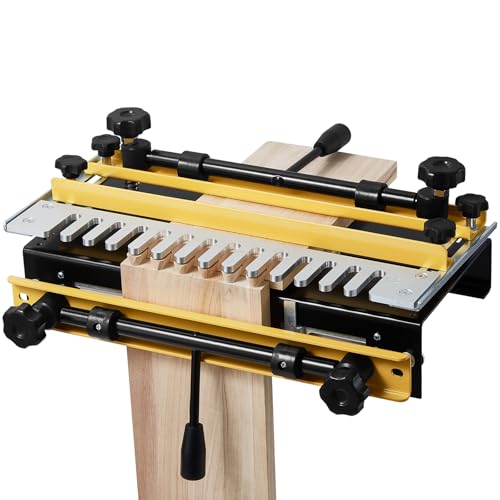
Inspect joints and assembly methods to reveal valuable insights about origin and period. Dovetail joints, typically seen in drawers and cabinets, indicate craftsmanship from earlier centuries. Hand-cut dovetails suggest a time before mass production; by contrast, machine-cut variants signify later dates.
Observe whether nails were used. Square nails are generally associated with 19th-century pieces, while round wire nails became common in the late 19th century and into the 20th century. Brads or slip joints hint at pre-19th-century construction techniques.
Look for signs of handwork. Uneven surfaces, tool marks, and irregularities suggest manual creation. If I encounter a piece with detailed carvings or inlays achieved through intricate techniques, it often points to high-quality craftsmanship typical of specific eras.
Also, evaluate the materials. Woods like walnut, mahogany, or cherry were popular in specific periods. The presence of exotic wood species might indicate trade influences or timeline, while synthetic materials are clear indicators of modern fabrication.
Finally, note the finish. Paint and varnishes used in the past differ from contemporary options. Shellac was common prior to the 20th century, while lacquer or polyurethane became prevalent later. A distinctive finish might lead me to pinpoint the era more accurately.
Identify the Style and Design Characteristics
I assess the design attributes and stylistic elements to determine origin and timeframe. Each period has distinctive traits. For instance, pieces from the Victorian era feature intricate carvings, elaborate upholstery, and a dark wood finish. In contrast, Mid-Century Modern items present clean lines, organic shapes, and minimal ornamentation.
Examine Specific Features
Identify the legs and feet of the piece. Clawfoot legs indicate a Baroque or Victorian origin, while tapered legs are characteristic of the Mid-Century Modern period. Look closely at hardware–brass and metal handles often indicate earlier manufacturing, while plastic or resin details tend to appear in later pieces.
Material Usage
Assess materials used in construction. Solid oak, walnut, or mahogany suggested high-quality craftsmanship, often found in earlier designs. Plywood and particleboard usually indicate a post-1950s production. Observe surface finishes; oil-based varnishes were widely used in the past, whereas modern finishes often involve lacquer or synthetic products.
Recognizing these style indicators helps establish context and a potential timeframe for the item, contributing to a deeper understanding of its history and significance.
Inspect Materials and Finishes for Authenticity
Pay attention to the type of wood used in the piece; hardwoods like oak, walnut, and cherry were prevalent from the 17th to 19th centuries. Examine the grain pattern; older woods often have a unique, irregular grain that showcases the craftsmanship. Look for signs of deterioration, such as warp or crackling, common in aged materials.
Assess the finishes. Shellac was widely used before the mid-20th century, while varnishes and polyurethanes emerged later. To test the finish, introduce a small amount of denatured alcohol to an inconspicuous area. If it dissolves, it’s likely shellac. A harder finish that doesn’t react suggests a more modern application.
Scrutinize any veneers. Antique pieces may feature thin layers of decorative wood applied over a core material. Verify that the wood beneath is consistent with the era of the piece. If the veneer is peeling, it can indicate either authentic aging or inferior reproduction.
Consider paint and stain techniques as well. Before industrialization, hand-mixed pigments led to variations in color and texture. When evaluating painted finishes, check for brush strokes or unevenness, which suggest a manual application typical of older items.
| Material | Characteristics | Era of Usage |
|---|---|---|
| Oak | Distinct grain pattern, strong durability | 16th – 19th century |
| Walnut | Rich color, intricate grain | 17th – 19th century |
| Cherry | Deepens in color over time, smooth texture | 18th – 19th century |
| Mahogany | Uniform grain, reddish hue | 18th – 20th century |
Identifying these details can significantly contribute to determining a piece’s authenticity and historical significance. Take your time with the examination, noting these features carefully.
Look for maker’s marks and labels
Identifying maker’s marks and labels is crucial for authenticating historical pieces. Start by inspecting the undersides or hidden areas of the item, such as drawer interiors or the back panel. Many craftsmen stamp their initials, logos, or the name of their workshop on these surfaces.
Research the identified marks to date the production period. Specific symbols or patterns can indicate the manufacturer, while patent numbers or labels can provide insights into the era and style of the creation. Utilizing online resources and reference books on furniture makers can help narrow down the timeline.
Common Markings
Look for well-known brands like Stickley, Thonet, or Chippendale, as their marks are often distinctive. Additionally, check for country of origin labels, as these can also serve as indicators of authenticity and period.
Beware of Reproductions
Take care to discern between original maker’s marks and modern reproductions, which may bear similar marks but lack the quality and craftsmanship of the original. Verify through trusted guides or experts before making conclusions.
Check the Condition and Wear Patterns
I assess the surface for scratches, dents, or wear marks, as these can reveal usage over time. A piece that shows even wear, particularly on areas frequently touched, may indicate genuine history. Consider the following:
- Examine corners and edges closely; worn edges suggest long-term exposure to handling.
- Inspect the joints; loose or repaired elements can hint at repairs made to preserve the piece.
- Look for fading in areas that receive light; uneven fading may indicate original placement in a room.
- Check for original finish versus potential restorations; signs of refinishing can impact perceived value.
Pay attention to the patina, especially on wood. A rich, deep finish may suggest age; however, be cautious of artificial aging techniques that mimic wear. Hand-rubbed finishes may retain presence better than polyurethanes applied later. Each detail contributes to a clearer picture of its history and journey through time.
Research Historical Context and Provenance
To accurately gauge the timeline of a piece, I prioritize investigating its provenance and historical significance. I start by uncovering previous ownership records, which may reveal critical details about the period when the item was crafted. Auction house databases, estate sales, and historical society archives can provide invaluable insights.
Next, I contextualize the object within its historical backdrop. Understanding the era’s social, political, and economic climates offers clues about design influences and manufacturing methods. I refer to reference books, museum collections, and reputable online resources to pinpoint the trends that shaped the item’s creation.
Investigating Trade and Regional Characteristics
I examine how regional craftsmanship plays a role in determining authenticity. Certain styles are localized; knowing the geographical origin helps authenticate the craftsmanship details. I analyze distinct regional markers, such as techniques specific to certain artisans or villages that can indicate a piece’s locality.
Consulting Experts and Collectors
Engaging with experts, appraisers, and seasoned collectors enriches my understanding. They often have anecdotal evidence or specialized knowledge unavailable in texts and can guide me to lesser-known resources that assist in establishing authenticity. Their insights can illuminate the story behind the item, detailing how it factors into the broader narrative of design evolution.
Utilize dating guides and resources
Consulting specialized dating guides and reference materials has proven invaluable in assessing items. I rely on authoritative books that categorize and detail various styles, materials, and construction techniques by era. Publications focusing on specific regions or periods, like Chippendale or Arts and Crafts, provide deeper insights into features unique to those times.
Online databases and websites dedicated to antique verification offer photographs and detailed descriptions, enabling easy comparison with my own pieces. Some websites also feature forums where enthusiasts discuss findings and share knowledge. These discussions can reveal lesser-known details that could affect my evaluation.
Attending workshops and lectures by experts often grants practical insights that written resources may not cover. I find these gatherings a great opportunity to ask specific questions about pieces in my possession.
Moreover, connecting with local historical societies can unlock hidden archives pertaining to regional craftsmen and their usual materials and styles. Such resources deepen my understanding of provenance and construction nuances.
Keeping a ledger of all sources consulted helps me reference information quickly, ensuring that each piece’s evaluation is backed by solid research.
Consult with Professional Appraisers
Engaging a professional appraiser is a recommended step for accurate evaluation. Their expertise provides insights on specific items that may not be apparent to an untrained eye.
Here are key factors to consider when consulting an appraiser:
- Credentials: Verify their qualifications, membership in reputable appraisal organizations, and relevant experience in evaluating historical pieces.
- Specialization: Ensure they have experience with the particular type of item you are inquiring about, as different eras and styles have unique characteristics.
- Inspection: A thorough examination with the appraiser allows for a detailed assessment of construction methods, materials, and condition.
- Written Report: Request a formal appraisal report that includes documented findings and photographs. This can serve as proof of value for insurance or resale purposes.
- Market Trends: Discuss current market trends with the appraiser as this information is valuable for understanding value fluctuations.
Building a relationship with an appraiser can also be beneficial for future evaluations. Their ongoing involvement in the market means they often keep up with changes that may affect value and rarity.
Always seek multiple opinions to ensure a well-rounded understanding of value and authenticity. This practice enhances confidence in both personal collections and potential sales.