
 Caleb Turner
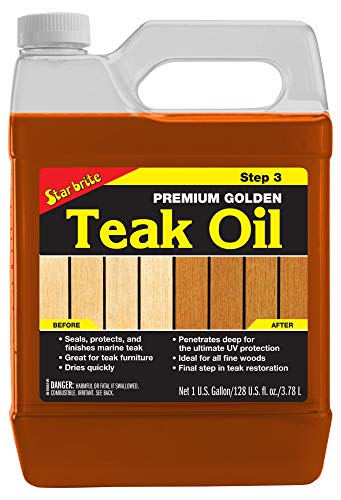
To confirm the authenticity of your garden seating or table, first inspect the wood’s color. Genuine materials often exhibit a warm golden to rich brown hue, which deepens over time. Additionally, take note of the grain pattern; true specimens typically showcase a straight, tight grain with occasional variations.
Next, perform a water test. Applying a few drops should result in immediate absorption, indicating the natural oil content is present. This characteristic is found in genuine varieties, providing exceptional resistance to moisture and pests.
Look for any physical markings. Authentic pieces usually have distinct stamps or labels from the manufacturer. If available, reference these identifiers to verify the source and quality. Check for smooth edges and a polished finish, as quality craftsmanship often reflects in the details.
Finally, consider the weight. Authentic articles crafted from high-quality materials tend to be heavier than their less authentic counterparts, adding to their durability and stability in various climates. By combining these observations, you can confidently ascertain whether your seating arrangement is made from genuine hardwood.
Identifying Genuine Teak Items
First, inspect the wood grain. Authentic materials display a tight, straight grain with variations in color, ranging from golden brown to deep chocolate. Look for a rich, oily texture; real pieces often feel smooth yet slightly greasy due to natural oils.


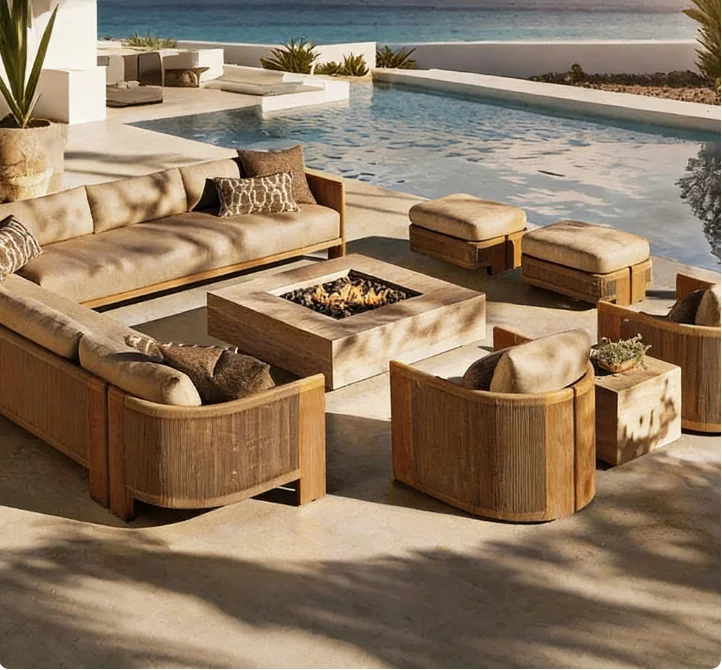

Next, try the water test. When water droplets are placed on the surface, they should bead up instead of soaking in. This characteristic proves effective moisture resistance. On exposure to elements, genuine products will not warp easily, maintaining their shape over time.
Check for Durability
Another indication is weight; authentic hardwood is substantially heavier than substitutes. Gently knock on the surface–if you hear a solid, resonant sound, it signifies quality construction. Compare it with lighter materials; the difference will be quite noticeable.
Examine Surface Feel and Smell
Lastly, a distinctive aroma can help. Real wood emits a pleasant, earthy scent, especially when freshly sanded. On top of that, touch it; the natural oil finish creates a warm feel, unlike cheaper alternatives. These sensory details should lead you to recognize genuine items effectively.
Identify the Color Variations in Teak Wood
The natural hue of this hardwood ranges from a golden yellow to a rich medium brown. New pieces typically showcase lighter shades, which deepen and become more pronounced with age, transitioning to a darker, reddish-brown color. Exposure to sunlight and environmental elements accelerates this darkening process.
Pay attention to the grain; it often contains visible variations with lighter and darker streaks. A consistent grain pattern can indicate authenticity, while synthetic replicas may lack these nuances.
Inspect the surface for subtle color changes. Genuine items are more likely to exhibit these natural inconsistencies, whereas fake materials may appear uniform and lack depth.
Additionally, wetting the wood lightly can enhance its true color, providing a helpful glimpse of the darker shades that may not be fully visible when dry. This quick test can confirm the wood’s quality if the exposed coloration aligns with the expected variations.
Finally, consider the finish applied. Depending on treatment, the surface may have a glossy or matte quality, influencing its appearance and color richness. Authentic pieces often have an oiled or natural finish that highlights their unique grain and color variations.
Examine the Grain Patterns Unique to Teak
When assessing wood, focus on the grain patterns which are a defining characteristic. Genuine materials display tight, interlocking grain that creates a unique, natural appearance. Each piece reveals individual patterns, often with a slightly oily texture, which contributes to its durability.
- Look for fine, straight lines running lengthwise; this is typical of authentic sources.
- Notice any wave-like or irregular patterns; these can indicate variations in the growth process.
- Pay attention to dark, contrasting flecks or streaks; this feature is often present and enhances visual appeal.
- Check for a smooth finish; the surface should feel silk-like if sanded correctly without heavy blemishes.
Using a magnifying glass can help bring out subtle details in the grain, confirming its authenticity. The natural oils present in the material repel water, adding another layer to its unique characteristics and helping to identify genuine specimens.
Check for Natural Oils in Teak Surface
Inspect the surface for a slight sheen. Authentic examples possess natural oils that create a glossy finish. Rub your hand over the wood; if it feels smooth and slightly oily, it’s likely genuine. If the surface feels dry or excessively porous, it may not be true tropical hardwood.
Water Test
Drop a small amount of water onto the surface. If the water beads up rather than soaking into the wood, this indicates the presence of natural oils. Genuine tropical hardwoods repel moisture effectively, showcasing their oil-rich composition.
Smell Test
Bring the wood close to your nose. Scent can be a helpful identifier; genuine types have a distinct aroma reminiscent of oil and earth. If it smells like typical wood or has no fragrance at all, it may not be real.
| Test | Result Indicating Authenticity |
|---|---|
| Smoothness and Sheen | Oily and glossy finish |
| Water Beading | Water beads without soaking in |
| Fragrance | Distinct oily and earthy aroma |
Assess Weight for Dense Teak Characteristics
I always find that the weight of a piece can be a strong indicator of its quality. Genuine hardwood, particularly from species known for their durability, typically has significant heft.
To ascertain authenticity, here’s what I consider:
- Density Points: Look for a weight that feels substantial in your hands. Authentic hardwood like this usually feels denser than softwoods.
- Comparison Test: If possible, handle pieces of similar style in different material compositions. Compare their weights–real hardwood will stand out.
- Measurement Standards: Average weight per cubic foot for this species can range between 40 to 50 pounds. Measuring the thickness and surface area can help estimate the weight more accurately.
Real vs. Imitation
Some materials are crafted to mimic the appearance of genuine hardwood but often feel lighter due to lower density. If you lift a piece and it seems unusually light, it’s a red flag.
I also suggest weighing the item if you have access to scales. A weight of less than 30 pounds for a standard size can indicate a substitute.
Long-Term Considerations
Choosing a heavier piece typically indicates higher durability and longevity. Lightweight options may save money initially but often require replacements more frequently.
Trusting the weight factor can guide not only in identifying genuine types but also in investing wisely for future use.
Look for Weather Resistance in Outdoor Conditions
Observe how the material performs under various climatic conditions. Genuine qualities, suitable for exposure to rain and sun, exhibit remarkable weather resistance.
Perform a water test by applying a few drops. If the liquid beads up instead of soaking into the wood, this indicates the presence of natural oils that enhance durability. Additionally, assess for fading. Authentic high-quality pieces maintain their rich hues over extended periods even in direct sunlight.
Analyze any signs of warping or cracking. Authentic samples resist these issues, showcasing impressive stability despite extreme temperatures and humidity levels.
Inspect the finish as well. Well-crafted items often have protective coatings designed for outdoor use, which further enhance their longevity against elements. Below is a helpful table to summarize key indicators of weather resistance:
| Indicator | What to Look For |
|---|---|
| Water Test | Beading effect without absorption |
| Color Fading | Consistent hue retention over time |
| Warping/Cracking | Minimal to no deformation despite weather changes |
| Surface Finish | Protective coating suitable for external conditions |
Inspect for Finishing Techniques Common to Teak
When evaluating the authenticity of your patio pieces, observe the finishing techniques employed on the wood. Genuine hardwood often exhibits specific methods that enhance its durability and aesthetics.
Characteristics of Finishing Techniques
- Look for an oil finish, which is typical for high-quality wood, allowing the natural grains to shine through.
- A satin or matte finish may indicate proper care; glossier surfaces might suggest artificial varnishing, potentially masking lower-quality woods.
- Observe the presence of wax; it can provide a soft sheen and protect against moisture, a sign of traditional treatment.
Pay attention to a smooth surface, which indicates meticulous sanding and preparation–both hallmarks of well-crafted items. Check the edges and corners; these should be rounded rather than sharp, reflecting skilled workmanship.
Signs of Craftsmanship
- Joinery should be solid, with no visible nails or screws, showcasing dovetail or mortise and tenon joints.
- Inspect for inconsistencies in color or texture; authentic pieces may display some variation due to the natural wood grain.
- Look for any indications of an annual treatment; it often reflects an owner’s commitment to preservation.
These finishing details can significantly impact the longevity and appeal of patio pieces, ensuring you invest in quality. Evaluating these aspects will help in distinguishing between genuine hardwood and imitations.
Review Manufacturer Labels and Certifications
I recommend examining manufacturer labels and certifications closely for any piece crafted from this particular wood. Trusted makers will often provide information about the origin, quality, and sustainability of the timber used. Look for labels indicating compliance with environmental standards or other certifications, such as FSC (Forest Stewardship Council) or PEFC (Programme for the Endorsement of Forest Certification). These not only confirm the authenticity of the wood but also signify responsible sourcing practices.
Check for Material Specification
Labels should specify the type of wood used. Genuine manufacturers will clearly mention “teak” or the scientific name Tectona grandis. Any ambiguity in labeling might indicate a blend with lower-quality materials. Be wary of vague terms like “hardwood” that could mask substitution.
Research Brand Reputation
<pInvestigate the manufacturer's reputation through reviews and industry recognition. Well-established brands often have a history of quality assurance and transparency, which can aid in confirming the product's authenticity. Checking online customer feedback can provide insights into the experiences of previous purchasers regarding the durability and composition of their items.
Conduct a Scratch Test for Hardness Assessment
To evaluate hardwood authenticity, perform a scratch test. Use a sharp object, such as a coin or a knife point, and apply moderate pressure to an inconspicuous area. Genuine hardwood will show minimal or no marks because of its dense structure.
Interpreting the Results
If the surface remains mostly unmarked, this indicates high-density characteristics typically associated with premium wood. If deep scratches appear, the material may be softer or of lower quality. It’s beneficial to conduct this test in several locations to ensure consistent results.
Additional Tips
Choose a test area away from visible surfaces to avoid cosmetic damage. If possible, compare the results with a known sample of authentic hardwood. This direct comparison can clarify the quality of the material you are assessing.
Compare Pricing to Standard Teak Wood Costs
When shopping for patio pieces, I closely examine the pricing to determine authenticity. Genuine hardwood tends to have a higher price point due to its durability and quality. Typical costs for authentic teak range from $30 to $100 per square foot, depending on the grade and source.
Identify Budget vs. Quality
I recommend comparing prices. If a piece is priced significantly lower than the average for quality lumber, it raises a red flag. Look for individual components like chairs or tables priced below $150, as they may not be crafted from real tropical hardwood.
Check Grades and Certifications
<p Certifications or grades can impact pricing. Standard grades can vary, where premium selections may exceed $1000 for larger sets. I always verify if the retailer provides information regarding sustainability and sourcing, which can influence cost and quality.
FAQ:
What are the key characteristics of teak outdoor furniture?
Teak outdoor furniture is known for its durability and resistance to weather elements. It typically has a rich golden-brown color that can deepen to a silvery-gray if left untreated. The wood has a natural oil content that provides resistance to moisture and pests. Teak also features a straight, tight grain that gives it a uniform and sleek appearance. Overall, these properties make teak furniture ideal for outdoor settings.
How can I identify teak wood from other types of wood?
To identify teak, examine the grain pattern; it should be straight and smooth with occasional wavy patterns. You can also check the wood’s color, which ranges from golden to dark brown. If the furniture has a distinctive aroma resembling leather or tobacco when scratched, it is likely teak. Additionally, teak wood feels oily to the touch due to its natural oils, which is another indicator of its authenticity.
Are there any tests I can perform to confirm if my outdoor furniture is made of teak?
Yes, simple tests can help determine if your furniture is teak. One method is the water test; apply a drop of water on the surface. If it beads up and doesn’t soak in quickly, the wood is likely teak due to its oil content. Another test is to run a finger along the grain; a smooth, silky texture indicates teak. However, ensure that your furniture hasn’t been treated with oils or sealants that could alter these results.
Is teak outdoor furniture higher in price compared to other woods?
Teak is generally more expensive than many other types of outdoor furniture wood because of its durability, weather resistance, and the labor-intensive process involved in harvesting and processing it. The initial investment may be higher, but teak’s longevity and minimal maintenance requirements often make it more cost-effective in the long run. Buyers appreciate the value it brings, especially in premium outdoor settings.
What maintenance does teak outdoor furniture require?
Teak furniture requires minimal maintenance compared to other woods. To keep it looking its best, it’s advisable to clean it regularly with mild soap and water to remove dirt and grime. If you prefer to maintain the original golden color, applying a teak protector can help. However, many choose to let teak age naturally to achieve the classic silvery-gray look. Periodic sanding can also help remove any rough patches if needed.


