
 Caleb Turner

Weekly dusting is non-negotiable for preserving the aesthetic of your woven seating. I recommend using a soft cloth or a vacuum with a brush attachment to remove accumulated dirt and debris. This simple routine helps prevent buildup that can lead to deterioration over time.
Once a month, I suggest deep cleaning with a solution of mild soap and warm water. Dip a cloth in the soapy mixture, wring it out thoroughly, and gently wipe the surfaces. Ensure moisture does not seep into the joints of the weave, as this can cause mold or mildew formation.
In addition, protect against direct sunlight by positioning your pieces thoughtfully. If exposure is unavoidable, consider using outdoor fabric covers or shades to shield from harmful UV rays, which can fade colors and weaken fibers.

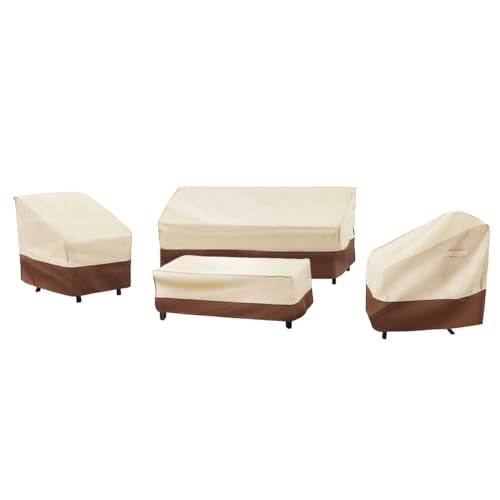

Lastly, I recommend inspecting for loose strands or unraveling periodically. If you notice any damage, repair it promptly with non-toxic glue or replace any compromised sections to maintain structural integrity and appearance. By adopting these practices, your braided creations can remain beautiful and functional for years to come.
Understanding the Characteristics of Rattan Material
I focus on knowing the qualities of this natural fiber that influence its longevity and appearance. This material is derived from climbing palms, making it flexible and easily shaped into various forms. The inherent strength of the product allows for intricate designs without compromising durability.
Key Characteristics
- Lightweight: Easy to move and rearrange, ideal for both indoor and outdoor settings.
- Natural Resilience: Resistant to wear, capable of withstanding daily usage.
- Breathability: The woven structure promotes airflow, reducing moisture buildup.
- Eco-Friendly: Sourced from sustainable materials, it contributes to environmentally conscious living.
Appearance and Finishing
The visual appeal varies, ranging from a natural light hue to darker tones after treatment. To maintain the aesthetics, avoid exposure to direct sunlight for prolonged periods, as it may cause fading. Regular application of natural oils can enhance its luster and protect against environmental factors.
Understanding these attributes allows for informed decisions regarding maintenance and usage, ensuring a lasting investment in quality accessories for your space.
Choosing the Right Cleaning Supplies for Rattan
For optimal maintenance, I recommend using gentle cleaners specifically formulated for natural materials. Avoid harsh chemicals that could degrade the structure.
- Soft Brushes: A soft-bristled brush is ideal for removing dust and debris. I use one with flexible bristles to reach into crevices without damaging the surface.
- Microfiber Cloth: I prefer microfiber for wiping down surfaces, as it effectively lifts dirt without scratching. It’s reusable and easy to wash.
- Soap Solution: Create a solution using mild dish soap and warm water. This combination effectively breaks down grime without harming the fibers. I mix one tablespoon of soap per quart of water.
- Vinegar and Water Mix: For a natural disinfectant, I blend equal parts of white vinegar and water. This solution helps combat mildew while being safe for the material.
After cleaning, I always ensure to dry the pieces thoroughly using a soft towel. This step prevents moisture from seeping into the fibers, which could lead to deterioration.
For protection against stains or spills, applying a thin layer of wax can enhance resilience. I opt for a beeswax or natural wax product designed for natural fibers.
By selecting specific products and techniques, I can maintain the aesthetics and longevity of my pieces while ensuring they remain inviting and functional.
Steps to Clean Rattan Furniture Properly
Begin with removing dust and debris using a soft brush or a vacuum cleaner equipped with a brush attachment. This initial step prevents dirt from becoming embedded in the fibers.
Cleaning Process
Prepare a cleaning solution by mixing warm water with a few drops of mild dish soap. Dampen a soft cloth in this mixture, wring it out thoroughly to avoid soaking, and gently wipe down the surface of the pieces. Ensure to follow the grain of the material to avoid any damage.
Rinsing and Drying
After cleaning, take a separate cloth dampened with plain water to remove any soap residue. Once done, let the items dry completely by placing them in a well-ventilated area, avoiding direct sunlight, which can cause fading and damage.
Preventing Damage from Moisture Exposure
To protect your woven pieces from moisture, it’s crucial to keep them in a dry environment. If they are outdoors, use waterproof covers during rainy seasons. Allow air circulation; avoid placing them in enclosed or humid areas.
When cleaning, use a slightly damp cloth rather than soaking it. Excess water can damage fibers and lead to mold growth. If your items do get wet, dry them promptly with a soft, dry towel and leave them to air dry in a well-ventilated space.
Humidity Control
Monitor indoor humidity levels. Aim for 40-60% humidity using dehumidifiers in damp areas. Regularly check and manage moisture levels to prevent long-term damage.
Storage Tips
If not in use, store these items in a cool, dry place. Avoid placing them near radiators or in basements prone to dampness. Consider using silica gel packets to absorb moisture in storage areas.
| Moisture Prevention Tips | Actions |
|---|---|
| Outdoor Protection | Use waterproof covers |
| Indoor Humidity Management | Aim for 40-60% and use dehumidifiers |
| Drying Technique | Wipe with a damp cloth, then dry immediately |
| Safe Storage | Keep in a cool, dry place with silica gel |
Protecting Furniture from Direct Sunlight
I recommend placing your woven pieces away from windows or direct sunlight to prevent discoloration and weakening of the material. Use curtains or shades to filter sunlight when the items are in sun-exposed areas.
Alternative Solutions
Consider using outdoor covers designed for woven pieces, especially if placed on patios or balconies. These can shield them from harsh UV rays. If possible, rotate the position of the seating regularly to ensure even exposure and prevent uneven fading.
Restorative Measures
If fading occurs, applying a specialized UV-protective spray can help restore the original hue and extend the lifespan of the weaves. Regularly inspect for signs of damage and take prompt action to address any issues.
Removing Stains from Wicker Surfaces
To eliminate stains from wicker structures, I mix a solution of warm water and mild dish soap. I apply this with a soft cloth, gently rubbing the stained area. For stubborn spots, I create a paste using baking soda and water, applying it directly to the stain, letting it sit for 10-15 minutes before wiping it off with a damp cloth.
Dealing with Specific Stains
For oil-based stains, I use corn starch to absorb the excess, allowing it to sit for a few hours before brushing it off. For ink marks, I dab a cotton ball in rubbing alcohol and gently blot the area until the stain lifts. After any cleaning, I ensure to dry the surface thoroughly to prevent moisture damage.
Final Touches
Once stains are removed, I finish with a light application of furniture polish specific to natural materials. This condition helps restore shine and protect against future marks. Regular inspection of my pieces allows me to address any issues promptly, maintaining their appearance.
Maintaining Structural Integrity of Natural Wicker Pieces
Regular inspections are crucial. I check for loose weaves or signs of fraying. If detected, I use a thin, sharp object to reinsert the strands carefully, ensuring uniformity. This prevents further unraveling.
I avoid placing heavy items on these creations to prevent bending or deformation. Distributing weight evenly is key. If I notice any sagging, I immediately redistribute items to alleviate the stress on specific areas.
Periods of rest are important. I rotate the position of accent pieces to ensure that one area doesn’t bear weight too long. This simple tactic extends longevity significantly.
Keeping these items elevated is wise. I use protective feet or coasters to guard against direct contact with floors, which reduces wear and tear and maintains stability.
Immediate attention to damages is essential. For cracks or splits, I apply a specialized adhesive designed for natural materials. After application, I clamp the affected area until the bond solidifies, restoring strength.
Lastly, I recommend maintaining a comfortable environment. Avoiding extremes in temperature and humidity mitigates the risk of warping or cracking due to fluctuations. A balanced atmosphere promotes durability.
When to Apply Protective Coatings on Rattan
I recommend applying protective coatings on this natural material every 1 to 2 years, depending on environmental conditions and frequency of use. Regular inspection for signs of wear or fading is crucial; if you notice any deterioration, it’s best to reapply the protective layer sooner.
For outdoor pieces, consider coating them at the beginning of the spring season to shield against seasonal elements. In areas with high humidity or heavy rainfall, check and refresh the protective barrier more frequently.
Opt for products specifically designed for natural fibers, ensuring compatibility with the material’s properties. A clear sealant or a UV-resistant spray can effectively guard against moisture and sunlight. Before applying, clean the surface thoroughly to remove any dust and grime, enabling better adherence of the coating.
Take care when reapplying coatings; follow the manufacturer’s instructions for optimal results. Allow ample drying time between coats to maintain durability and appearance.
Storing Rattan Pieces During Off-Seasons
Ensure each item is clean and dry before storage. Accumulated dirt and moisture can lead to issues during prolonged inactivity. Disassemble any removable components such as cushions to prevent distortion and wear.
Ideal Storage Conditions
Choose a dry, well-ventilated space away from direct heat sources. Extreme temperatures can adversely affect the material. Protect against potential pests by informing yourself of common household insects and taking preventive measures.
Storage Methodology
Utilize breathable covers to prevent dust accumulation while allowing airflow. Avoid using plastic since it traps moisture, fostering mold growth. When stacking items, ensure they are placed evenly to maintain structure and avoid bending.
| Storage Tips | Details |
|---|---|
| Clean Before Storage | Remove dirt and moisture thoroughly. |
| Choose a Suitable Location | Store in a dry, ventilated area. |
| Use Breathable Covers | Protect from dust while allowing air circulation. |
| Avoid Plastic | Prevents moisture accumulation. |
| Watch for Pests | Implement preventive measures. |
Regularly check stored items for any signs of deterioration. Address issues promptly to maintain the quality of your investment.
FAQ:
What are the best cleaning methods for rattan furniture?
To clean rattan furniture, start by dusting it with a soft cloth or a vacuum with a brush attachment to remove any loose dirt or debris. For stubborn stains, use a mixture of mild soap and warm water. Dampen a cloth with this solution and gently scrub the stained area, avoiding saturating the rattan to prevent damage. After cleaning, wipe again with a damp cloth to remove any soap residue, then dry the furniture with a soft towel. It’s advisable to avoid harsh chemicals or abrasive cleaners, as they can harm the material.
How can I protect my rattan furniture from sun damage?
Sun exposure can fade and weaken rattan furniture over time. To protect it, consider placing your furniture in a shaded area or using outdoor furniture covers when not in use. Additionally, applying a protective spray or sealant specifically designed for rattan can help maintain its color and strength. If your furniture is in direct sunlight, regularly rotating it can also help to ensure even exposure and prevent uneven fading.
Is it necessary to apply a sealant to rattan furniture?
Applying a sealant to rattan furniture is not mandatory, but it can be beneficial, particularly for outdoor furniture. A good sealant can provide an extra layer of protection against moisture and UV rays, which can prolong the life of the furniture. If the rattan is not treated, it may be more susceptible to wear and fading. Before applying a sealant, ensure the furniture is clean and dry, and choose a product specifically formulated for rattan or natural fibers to avoid damaging the material.
How often should I maintain my rattan furniture?
Regular maintenance for rattan furniture is important to keep it looking its best. Dusting should be done weekly to prevent build-up. Deeper cleaning, involving soap and water, can be done every few months, especially if the furniture is used frequently or placed outdoors. Additionally, inspect the furniture for any signs of wear, such as fraying or cracking, regularly to address issues before they become serious. This will help ensure longevity and maintain the aesthetic appeal of your rattan pieces.


