Caleb Turner
Regular cleaning with mild soap and water is non-negotiable. I suggest using a soft cloth or sponge to prevent scratches. For deeper stains, a mixture of vinegar and water can work wonders. Always rinse thoroughly afterward.
To keep the natural hue intact, applying a protective finish every year is beneficial. This will not only enhance the color but also provide a barrier against the elements. I prefer using a teak oil or similar product for optimal results.
Choosing the right location is just as important. Utilize coverings during harsh weather, and avoid prolonged exposure to direct sunlight to prevent fading. A shaded area or a protective cover can make a significant difference over time.
Occasionally inspect joints and hardware for any signs of wear. Tightening screws or applying wood glue to loose joints can extend the life of your seating collection. This simple vigilance can save you from more significant repairs later on.


Understanding Teak Wood Characteristics
Recognizing specific traits can enhance your experience with this material. This type offers exceptional resistance to harsh elements and natural decay due to its high oil content. The oils form a protective barrier that combats water damage and insect invasions.
Color varies from golden brown to darker shades, adding a touch of elegance to any outdoor setting. Over time, exposure to sunlight may cause a weathered grey patina, which many find appealing. Regular treatment can maintain its original hue, but embracing the silvered look can also be a stylish choice.
- Durability: This type boasts remarkable longevity, often lasting decades with minimal maintenance.
- Stability: It resists warping and cracking, making it suitable for fluctuating temperatures.
- Density: The dense structure contributes to its robustness, requiring appropriate hardware for assembly.
Understanding these aspects allows for informed decisions in usage and maintenance, ensuring your items remain a cherished part of your outdoor space for years to come.
Choosing the Right Cleaning Supplies
Always opt for a mild soap, such as a dish detergent, mixed with warm water. Avoid harsh chemicals that can strip natural oils. I use a soft-bristle brush to gently scrub surfaces and reach crevices without damaging the finish.
Microfiber cloths are ideal for drying the furniture, as they prevent scratches and absorb moisture effectively. I keep a few on hand for both cleaning and polishing.
For deeper cleaning every few months, a specialized product for naturally oily types of materials can be beneficial. Look for solutions specifically designed for cleaning and maintaining outdoor surfaces.
In cases of stubborn stains or mildew, a diluted mixture of vinegar and water is a great alternative. It’s safe and environmentally friendly. Just ensure to rinse thoroughly afterward.
When it comes to protective oils, select those that are appropriate for the specific type of finish you have. Test the product on a small, inconspicuous area first to ensure compatibility.
Finally, avoid using pressure washers, as they can damage the surface. Instead, opt for a gentle approach with your cleaning supplies to keep your outdoor pieces in excellent condition.
Cleaning Techniques for Teak Furniture
Regular maintenance involves using a soft cloth or sponge with mild soap and warm water for routine cleaning. I find that this approach efficiently removes dirt without damaging the surface. For tougher stains or mildew, a mixture of one part vinegar and three parts water works well; just apply it with a soft brush and rinse thoroughly afterward.
For annual deep cleaning, I recommend a specialized teak cleaner designed to remove oxidation and restore the natural color. Application usually involves applying the cleaner with a brush and letting it sit for a few minutes before rinsing. Always test a small, inconspicuous area first to ensure that the cleaner does not cause discoloration.
After cleaning, consider lightly sanding the surface with fine-grit sandpaper to refresh its appearance and remove any rough spots. This technique also prepares the material for any protective oils or finishes you might apply afterward.
To avoid water spots, I suggest drying the surface with a clean, dry cloth after washing. This also helps prevent the buildup of moisture, which can lead to mold growth in humid environments.
Using a sealant can enhance cleanliness; however, reapplication is needed every year or two. If you prefer the natural, weathered look, then skipping this step is perfectly acceptable, but be mindful of the increased cleaning and maintenance required to keep it looking its best.
Applying Protective Finishes and Oils
I recommend using a high-quality marine varnish or an oil specifically designed for premium timber. These products provide robust protection against UV damage and moisture. When applying, ensure the surface is clean and dry. A light sanding with fine-grit paper helps the finish adhere better.
Application Process
<p.Before application, stir the product gently to avoid bubbles. Use a clean, lint-free cloth or a brush to apply the finish evenly. I apply one coat and let it dry completely, usually for 24 hours, before applying additional layers. Three to four coats generally yield the best results for resilience and appearance.
Oiling Regularly
<p.For an alternative, I occasionally opt for penetrating oils like tung or Danish oil. These oils nourish the grain while offering some protection. I apply them every few months, particularly in areas with high sun exposure. Just wipe off the excess after about 15-20 minutes to prevent a sticky residue.
Dealing with Mildew and Stains
Mildew and stains are common issues I encounter with outdoor seating. Immediate attention helps prevent further damage. For mild mildew, a mixture of equal parts water and white vinegar effectively eliminates the growth. Gently scrub with a soft brush or cloth, then rinse with clean water.
Addressing Stubborn Stains
For more persistent blemishes like food stains or resin, I prepare a paste using baking soda and water. Apply the paste directly to the stain, allowing it to sit for 10-15 minutes before scrubbing gently. Rinse thoroughly afterward.
Preventive Measures
- Store away during wet seasons or cover with a breathable tarp.
- Ensure proper airflow when storing to reduce moisture accumulation.
- Regular cleaning with a mild soap solution discourages mildew growth.
I always recommend checking periodically for signs of mildew or stains to intervene early. A proactive approach ensures lasting beauty and functionality of my outdoor seating set.
Storing furniture during the off-season
First, clean your pieces thoroughly to remove dirt and oils. Once dry, disassemble any removable parts if possible, ensuring easier storage and minimizing space. I prefer stacking chairs and tables, placing protective padding between surfaces to avoid scratches.
Climate-controlled environments are ideal. If that’s not an option, choose a dry, shaded area, avoiding direct sunlight to prevent fading. I also avoid basements prone to moisture and mold; a shed or garage is usually better.
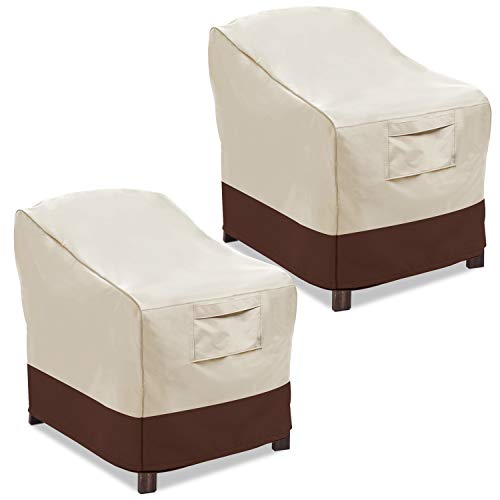
For extra protection, consider using breathable covers specifically designed for outdoor items. These prevent dust accumulation while allowing moisture to escape. I always secure the covers to withstand wind, preventing them from blowing off.
Regularly check stored items, inspecting for potential issues such as dampness or pests. This proactive approach ensures that everything remains in prime condition for the next season.
Regular maintenance tips to prolong lifespan
Monthly inspections are necessary. Check for signs of wear or damage, such as cracks or loose joints. Tighten any screws or bolts to prevent further issues.
Utilize a soft brush to remove dirt and debris regularly. This helps avoid scratches and keeps the surface clean. A damp cloth may also be used for a quick wipe-down.
Consider using a breathable cover during inclement weather. This protects against moisture buildup while allowing air circulation. Ensure the cover is fitted properly to avoid water pooling.
Inspect and oil the surfaces every six months. Natural oils help maintain a rich color and provide a protective barrier against the elements. Apply a thin layer of oil with a cloth, always following the grain.
For thorough maintenance, remove any accumulated grime with a specialized cleaner designed for hardwood. Avoid harsh chemicals that can strip natural oils.
When not in use, store items in a dry, shaded area if possible. This prevents prolonged exposure to UV rays and moisture, contributing to extended longevity.
Recognizing Signs of Wear and Tear
Inspect your outdoor pieces regularly for visible indications of deterioration. Look for fading color or a silvery hue, which signifies exposure to sunlight and moisture. Surface cracking and splits may emerge, often leading to more significant damage if not addressed.
Common Signs to Identify
| Sign | Description |
|---|---|
| Discoloration | Loss of original hue, often lightening to gray. |
| Cracks | Visible fissures on the surface, especially in high-usage areas. |
| Stains | Dark spots or blotches that may indicate water damage or mold. |
| Flaking | Peeling paint or finish, compromising surface integrity. |
What to Do Next
If you spot any of these issues, take immediate action. Clean the affected area to remove dirt and contaminants, then assess whether the damage is superficial or deep. For minor surface cracks, sanding might suffice, while more significant issues may require professional assistance or additional treatment. Addressing these signs early can help maintain the integrity and appearance of your outdoor seating options.