Caleb Turner

Apply a high-quality chemical remover directly onto the area you wish to treat. Use a brush to spread the solution evenly, ensuring that it saturates the finish thoroughly. Allow it to sit for the time indicated in the manufacturer’s instructions, usually between 15 to 30 minutes, to soften the existing layer.
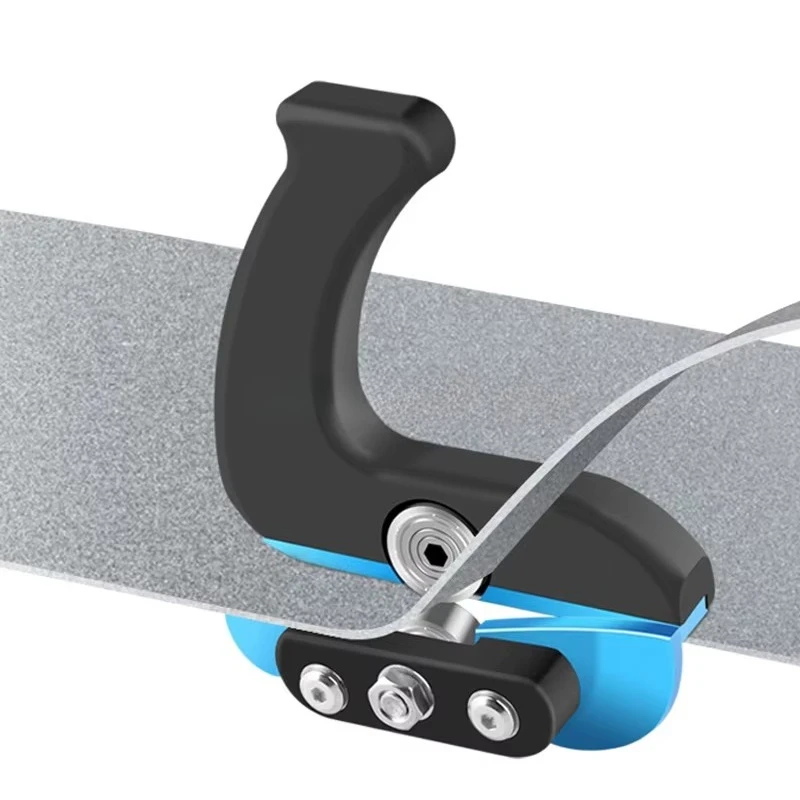
With a putty knife or scraper, gently lift the loosened finish from the surface. Work carefully to avoid damaging the underlying material. If necessary, reapply the remover to stubborn spots for effective removal.


Once the desired result is achieved, clean the surface thoroughly with a wet cloth to remove any residue from the remover. I often recommend using a mild detergent mixed with water for this step. Afterward, dry the area with a clean towel and let it air out completely before proceeding with any refinishing or staining as needed.
Removing Color from Wooden Pieces
Choose a suitable product, such as a gel or liquid remover. Apply it with a brush, ensuring even coverage on the surface. Allow the solution to sit according to the manufacturer’s instructions, usually around 15 to 30 minutes. During this period, the formula will work to penetrate and soften the applied hue.
Scraping Techniques
After the waiting period, utilize a plastic or metal scraper to gently remove the softened layer. Begin at one edge and work your way across in long, smooth strokes. Be cautious to avoid damaging the underlying material. A putty knife can also be effective for stubborn areas.
Finishing Touches
Once the majority of the color is gone, proceed with a clean cloth and mineral spirits or warm soapy water to eliminate residue. Rinse thoroughly and allow the surface to dry completely before applying any new finish or treatment. Inspect closely for any remaining traces, addressing them as needed.
Choosing the Right Stripping Method for Your Furniture
Evaluate the condition of your piece before deciding on a removal technique. For minimal finish wear, an abrasive approach might suffice, while severe damage may necessitate a chemical solution.
Mechanical Techniques
- Sanding: Use a variety of sandpaper grits, starting with a coarser grit to tackle stubborn residues and progressing to finer grits for a smooth surface. Ensure to sand along the grain to prevent scratches.
- Scraping: A putty knife or specialized scraper can effectively lift layers of finish without excessive abrasion. This method is particularly useful for detailed areas.
Chemical Solutions
- Solvent-Based Removers: These products eliminate finishes quickly but require proper ventilation and protective gear. Always follow the manufacturer’s instructions.
- Biological Alternatives: Environmentally friendly options use biodegradable ingredients. While they may take longer to work, these options are often less harsh on the surface.
Testing a small area is advisable, regardless of the method chosen. This step will help gauge the reaction of the material, ensuring the selected approach is compatible with the finish you are removing.
Prioritize safety by using gloves and a mask when dealing with chemicals or dust. Ensure proper ventilation if applying solvents indoors to minimize inhalation risks.
Gathering Necessary Tools and Materials
First, ensure you have safety gear: goggles, gloves, and a mask to protect against fumes and dust. It’s important to prioritize safety every step of the way.
Next, assemble your primary applications. A reliable paint or varnish remover is needed to dissolve the existing finish. Make sure to select a product suitable for the type of surface you’re working with.
Gather a set of scraping tools, including a putty knife and a metal scraper for effective removal. Having different sizes can help tackle intricate areas. Steel wool is also valuable for polishing surfaces after the initial stripping.
Collect brushes for applying the remover, preferably ones that can withstand harsh chemicals. An old brush for the initial application and a softer one for finishing touches can be beneficial.
Don’t forget to have a bucket of clean water on hand. Rinsing tools immediately after use will prolong their life and maintain cleanliness throughout the process.
Lastly, prepare your workspace. A well-ventilated area is crucial, so consider moving the item outdoors if possible. Lay down drop cloths to protect your floors from drips and spills.
Preparing the Workspace for Safe Stripping
I ensure the area is well-ventilated by opening windows and using fans to promote airflow. This reduces the concentration of fumes from chemicals, which can be hazardous. I also wear a mask to protect my lungs and gloves to shield my skin.
<p next= "“I set up a work surface that is sturdy and protected. A few layers of old newspapers or a drop cloth underneath my piece helps catch drips and spills, preventing damage to my floor.”
I keep all tools and supplies within reach to minimize movement around the workspace. This organization reduces distractions and lowers the risk of accidents.
I remove any unnecessary items from the area. Reducing clutter helps maintain focus and prevents any mishaps.
Lastly, I make sure to have a first aid kit nearby in case of any minor injuries. It’s a smart precaution when working with potentially harmful substances.
Testing the Stain Removal Process on a Small Area
Choose an inconspicuous spot to assess the effectiveness of your approach. Apply a small amount of the chosen remover with a clean cloth or brush, following the manufacturer’s instructions for time. After the specified duration, gently wipe away the substance with a soft cloth to reveal the surface.
Observing the Results
Examine the treated area closely. Look for signs of successful blemish removal, such as a color difference or a smoother texture. If necessary, repeat the application in that same area until the desired result is achieved. Pay attention to any unexpected reactions, such as discoloration or damage, which might indicate that the method isn’t suitable for your specific piece.
Making Adjustments
If the initial attempt proves ineffective, consider trying a different agent or technique. Keep track of what works and what doesn’t, noting the specific products and methods for future reference. This will help ensure that your subsequent actions are more targeted and effective.
Applying the Stripper: Techniques and Tips
Apply the remover generously using a paintbrush with natural bristles, ensuring even coverage. This helps the solution penetrate the finish effectively.
Consider the following techniques:
- Work in Sections: Divide the surface into manageable areas. This prevents the product from drying out before you can remove it.
- Thicker Application: For stubborn finishes, apply a thicker layer. Monitor how it interacts with the surface to determine the optimal waiting time.
- Use Plastic Scrapers: As the finish loosens, gently maneuver a plastic scraper along the grain. This minimizes damage to the surface.
Pay attention to environmental factors:
- Optimal Temperature: Aim for a temperature between 65°F and 75°F. This range enhances the product’s performance.
- Humidity Control: Maintain low humidity levels for improved results. High humidity can hinder the effectiveness of the remover.
For stubborn areas, reapply the stripper after the initial wait time. Allow it to work for a few more minutes before attempting to remove the finish again.
Before moving on to the next section, it’s crucial to clean the surface thoroughly after removing the finish. Utilize a damp cloth to eliminate any residue left behind by the stripper.
Removing Old Stain Residue Effectively
I apply a three-step approach to eliminate buildup from surfaces. First, I use a good quality solvent to dissolve the unwanted coating. Make sure to choose a solvent that is compatible with the type of finish previously used. Some popular options include mineral spirits and denatured alcohol. I soak a clean cloth in the solvent and rub it on the affected area, ensuring it’s well-saturated but not dripping.
Next, I soft scrub the area with a non-abrasive pad or fine steel wool. This process helps lift any remaining residue without damaging the underlying material. It’s important to follow the grain of the surface to prevent scratches. I focus on problematic spots while monitoring progress closely.
Finally, I wash the surface with mild soapy water to remove any chemical irritants left by the solvent. After rinsing, I dry the area thoroughly with a clean cloth. This step is crucial to prevent moisture damage. If I notice any lingering residue, I repeat the solvent application and scrubbing until fully cleared.
| Step | Action | Notes |
|---|---|---|
| 1 | Apply solvent | Use a compatible solvent; oversaturate the cloth. |
| 2 | Scrub gently | Utilize non-abrasive pads; follow the grain. |
| 3 | Wash with soapy water | Ensure no chemical residue is left; dry thoroughly. |
Scraping vs. Sanding: Which Is Better?
I find that choosing between scraping and sanding largely depends on the condition of the surface and the type of finish being removed. If the previous layer is thick and peeling, scraping can be more effective. It allows for precise removal without excessive wear on the underlying material. A sharp scraper can efficiently lift away layers, minimizing dust and mess.
Advantages of Scraping
When I scrape, I often appreciate the control it provides, especially in detailed areas. Scraping typically results in less wood being removed, preserving the integrity of the original piece. I prefer it for intricate carvings or sections that require finesse, as it allows me to focus on specific spots without damaging surrounding areas. Additionally, it’s a more environmentally-friendly option since it minimizes dust generation and waste.
Advantages of Sanding
Sanding becomes my go-to when the layer to be removed is thin or in a larger, flat area. It effectively smooths out imperfections and prepares the surface for a fresh finish. Using various grits, I can gradually refine the surface texture. However, I make sure to use it sparingly on intricate designs, where it can easily wear away details. It’s often quicker than scraping, making it ideal for larger projects.
Ultimately, I usually assess the specific needs of the project and combine both methods as necessary. For initial removal, scraping might be best, followed by sanding to finish the surface. Each method has distinct benefits, and understanding these helps me achieve the desired result effectively.
Neutralizing the Stripper After Stain Removal
After I’ve completed the process of removing the old finish, neutralizing the chemical stripper is essential. This step prevents any remaining residues from affecting the new finish I plan to apply. I typically use a solution of water mixed with a mild alkaline substance, such as baking soda, to neutralize the stripper.
To do this, I follow these steps:
| Step | Action |
|---|---|
| 1 | Prepare a mixture of one cup of baking soda per gallon of water. |
| 2 | Using a sponge or cloth, apply the neutralizing solution to the stripped area. |
| 3 | Wipe off the area with a clean, damp cloth to remove any residue. |
| 4 | Allow the surface to dry completely before proceeding with any new finishes. |
It’s crucial that I ensure all chemicals are thoroughly removed because failure to do so can lead to complications with the new coating’s adhesion. Additionally, safety precautions, including gloves and a mask, should always be in place during this process to protect against any harmful vapors or skin contact.
Preparing the Wood for New Finish After Stripping
Ensure the surface is clean and smooth before applying a new coating. Here are the steps I follow:
-
Inspect the Surface:
Check for any imperfections such as scratches or dents. Address these issues with wood filler if necessary, allowing it to dry completely.
-
Sanding:
Begin with coarse-grit sandpaper (around 80–100 grit) to remove any remaining residue and create a uniform surface. Transition to finer grits (up to 220 grit) for a smooth finish. Always sand in the direction of the grain.
-
Cleaning After Sanding:
Dust off the workspace using a vacuum or damp cloth to remove fine particles. This step prevents contamination when applying the new finish.
-
Conditioning the Surface:
If working with softwoods, I often apply a wood conditioner. This helps in achieving an even absorption of the new finish.
-
Test Application:
Before fully committing, I apply the new product on a small, inconspicuous area to confirm compatibility and appearance.
Proper preparations significantly enhance the longevity and aesthetic of the final result. Ensure each step is thoroughly completed for optimal adhesion and finish quality.