
 Caleb Turner

To rejuvenate a vintage piece with a fresh look, my first step involves ensuring the area is well-ventilated. Proper air circulation not only enhances safety but also makes the process more pleasant. Lay down a drop cloth to protect the surrounding surfaces from any chemical residue.
Next, I opt for a reliable chemical remover designed specifically for the task. Following the manufacturer’s instructions is crucial; I always apply it generously with a brush, allowing it to sit for the recommended time to effectively soften the surface layer. This preparation is key to achieving the best results.
Once the time has passed, I gently scrape the softened material using a putty knife, working carefully to avoid damaging the underlying wood. An old toothbrush is handy for reaching intricate details and crevices. After the main layer has been removed, I clean the item with water and a cloth to eliminate any residue from the stripping agent.
For the final touch, I lightly sand the surface with fine-grit paper to ensure a smooth finish. This step not only enhances the appearance but also prepares the wood for a new protective coat. A thorough inspection of the piece allows me to identify any areas needing extra attention, ensuring a flawless revival.


Removing Finish from Antique Pieces
I recommend beginning with a high-quality solvent specifically designed for finish removal. Apply it generously with a brush and allow it to penetrate the surface for the recommended time on the product label. Afterward, use a plastic scraper to gently lift the softened coating without damaging the wood beneath.
Effective Techniques for Wood Restoration
If the first application doesn’t yield desired results, consider repeating the process. For intricate areas, a fine steel wool can be useful for getting into crevices. Always keep a wet rag handy to wipe away residues and prevent any drying before the next application.
Final Touches for a Smooth Surface
Once all layers are removed, wash the surface with water and a mild soap to remove any remaining chemicals. After it dries, lightly sand the wood with fine-grit sandpaper to ensure an even texture. This prepares it perfectly for any subsequent refinishing.
Choosing the Right Stripping Method for Your Furniture
I recommend assessing the type of surface and the condition of the piece before selecting a technique. Common approaches include chemical removers, heat guns, and sanding.
- Chemical Removers: Best for intricate designs and stubborn finishes. Ensure proper ventilation and protective gear. Look for soy-based or biodegradable options for a less toxic environment.
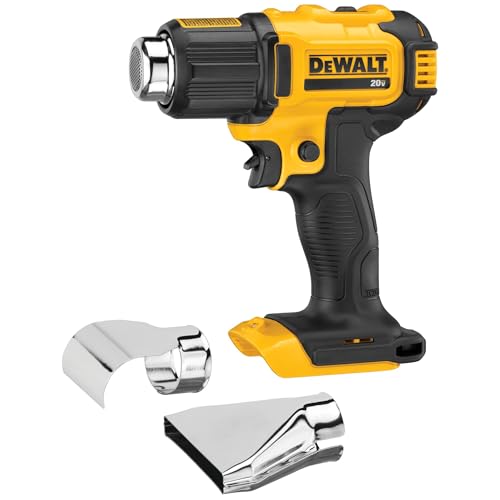
- Heat Guns: Effective for quick applications and larger areas. Holding a heat gun a few inches away allows for controlled heating. Be cautious as excessive heat can damage the wood.
- Sanding: Useful for flat surfaces. Start with coarse grit to remove most of the surface layer, then progress to finer grits for a smooth finish.
Evaluate the environmental impact of each method. Chemical options can be hazardous, while sanding generates dust. Consider your skill level–if inexperienced, chemical methods might be safer. Take into account the age of the item; vintage pieces often require gentle handling to preserve integrity.
Consult with professionals or local artisans if uncertain about the best route for restoration. Their experienced eye can provide valuable insight that aids in decision-making.
Preparing the Workspace and Furniture for Stripping
First, I ensure the workspace is well-ventilated. I open windows and use fans to facilitate airflow, reducing the buildup of fumes. Adequate ventilation is key to maintaining a safe environment.
Next, I cover the floor with drop cloths or old newspapers to catch any drips or debris that may result from the process. This makes cleanup simple and protects the flooring underneath.
Before working on the antique piece, I remove all hardware, such as knobs and hinges. This prevents damage to these components and ensures a clean finish. I place all parts in a labeled bag for easy reassembly later.
Protection Gear
Wearing appropriate safety gear is non-negotiable. I use gloves to protect my hands and safety goggles to shield my eyes from splashes. If the method involves strong chemicals, a mask is essential to prevent inhalation of harmful vapors.
Preparing the Piece
I wipe down the surface of the item with a damp cloth to remove dirt and dust. This step is crucial as it allows the chosen method to work more effectively on a clean surface. After the cloth dries, I can assess any repairs needed before beginning the process.
If the surface has imperfections, such as scratches or dents, I address those issues first. I fill small gaps with wood filler, sanding it down till smooth to ensure a uniform look after the work is done.
Applying Chemical Strippers Safely and Effectively
Always wear protective gear, including gloves, goggles, and a mask. Chemical strippers can emit harmful fumes that can irritate eyes and respiratory systems. A respirator with organic vapor cartridges is advisable for prolonged exposure.
Before applying the product, test it on a small, inconspicuous area to ensure compatibility with the surface. This helps determine how the material reacts and the efficiency of the stripper chosen. Apply a generous amount of the stripper using a brush or a rag, ensuring even coverage without over-saturation.
Follow Product Instructions
Carefully adhere to the manufacturer’s guidelines regarding application thickness and wait times. Some formulations require scraping after a specific duration, while others need to dry completely before removal.
Proper Ventilation
Ensure your workspace is well-ventilated. Open windows and use fans to promote airflow, minimizing inhalation of fumes. If possible, conduct this task outdoors to reduce the concentration of vapors in a confined space.
Using Heat Guns for Varnish Removal
Opt for a heat gun as a powerful tool to remove finishes from surfaces. Ensure a safe distance of about 3 to 6 inches between the tool and the material, as high temperatures can damage the wood. Set the heat gun to a low or medium setting to start with, gradually increasing if necessary. Keep the nozzle moving in a back-and-forth motion to avoid overheating specific areas.
Technique and Safety Measures
While applying heat, watch for the finish to bubble and soften. This indicates that it is ready to be scraped away with a putty knife or scraper. Always work in well-ventilated spaces to minimize fume inhalation. Wear safety goggles and heat-resistant gloves to protect against burns. Be cautious of flammable materials in the vicinity, keeping them well out of reach.
Finishing Touches
After removing the old finish, clean the surface with a damp cloth to eliminate any residue. Sand lightly with fine-grit paper to prepare for a new coat. This method not only refreshes the surface but also showcases the natural beauty of the underlying wood.
Techniques for Sanding and Finishing After Stripping
Begin sanding with a coarse grit sandpaper (80-100 grit). This removes the remaining finish and smooths the surface. Use a sanding block for flat areas, and for intricate designs, opt for hand sanding with folded sandpaper.
Choosing Grit Progression
After initial sanding, progress through grits: 120, then 150, and finish with 220. This method ensures a smooth surface ready for finishing.
| Grit Size | Purpose |
|---|---|
| 80-100 | Initial removal of finish |
| 120 | Smoothing previous scratches |
| 150 | Preparing for final finish |
| 220 | Creating ultra-smooth surface |
Applying Finish
Before applying any finishing product, vacuum or wipe the surface with a damp cloth to remove dust. Choose a finish that complements the wood type, such as oil-based or water-based options. Use a quality brush or applicator for even distribution.
Apply multiple thin coats, allowing sufficient drying time between each application. Lightly sand between coats with 320 grit for optimal adhesion and smoothness. Finally, consider buffing the last coat with a soft cloth for a polished appearance.
Protecting Your Furniture Post-Stripping
After completing the removal of surface finishes from your piece, safeguarding it is paramount to ensure longevity and visual appeal. Treat the newly exposed wood with care by following these guidelines:
1. Clean Thoroughly
- Remove dust and debris using a soft cloth or vacuum with a brush attachment.
- Consider using a damp cloth for stubborn residues, but avoid excessive water.
2. Apply Wood Conditioner
- Choose a high-quality wood conditioner before staining or sealing.
- This step helps the wood absorb color evenly, preventing blotchiness.
3. Select Appropriate Finish
- Determine whether to use oil-based or water-based products depending on the desired look and durability.
- A polyurethane finish offers strong protection against scratches and moisture.
4. Consider UV Protection
- If the item will be placed in direct sunlight, opt for finishes with UV-blocking properties to prevent fading.
- Apply a wax layer for additional protection, enhancing both look and feel.
5. Regular Maintenance
- Routine dusting with a dry cloth will prevent build-up and preserve the finish.
- Avoid harsh chemicals that can damage the surface; use pH-neutral cleaners instead.
Following these steps will help maintain the integrity and beauty of your revitalized item for generations to come.
FAQ:
What materials do I need to strip varnish off old furniture?
To strip varnish off old furniture, you’ll typically need specific materials such as a paint or varnish stripper, a putty knife for scraping, sandpaper (various grits), rags, and protective gear like gloves and a mask. It’s also helpful to have a drop cloth to protect your workspace and a container for waste. You may also want to use brushes or steel wool for intricate areas.
How do I ensure that I am safely using chemical strippers?
When using chemical strippers, safety should be a priority. Always work in a well-ventilated area to avoid inhaling fumes. Wearing gloves and a mask is crucial to protect your skin and respiratory system. It’s also best to have safety goggles to protect your eyes from splashes. Always read the product instructions carefully and follow the manufacturer’s recommendations for safe usage and disposal.
Can I strip varnish from furniture without using chemicals?
Yes, you can strip varnish from furniture without using harsh chemicals by opting for natural alternatives. Methods include using heat guns or vinegar and baking soda mixtures. A heat gun can help bubble the varnish away, while warm vinegar can soften the finish. You may need to sand more aggressively with these methods, but they are less toxic and better for those sensitive to chemicals.
What steps do I follow for the varnish stripping process?
The process of stripping varnish involves several key steps. First, prepare your workspace and furniture by cleaning it thoroughly. Next, apply the varnish stripper according to the product instructions, letting it sit for the recommended time. Once the varnish has softened, use the putty knife to scrape it off gently. After removing the majority of the finish, you may need to sand the surface to remove any lingering residue. Finally, clean the surface with a rag and some water or a solvent to remove any stripper before refinishing.


