
 Caleb Turner

Begin with sandpaper to create a partially worn look. Select a coarse grit for initial distressing and work in random patterns across the grain. This method scuffs the surface, exposing the wood beneath. Follow with a finer grit to smooth out harsh edges while retaining a rustic feel.
Applying a paint wash is an excellent way to achieve a weathered appearance. Mix a chosen color with water in a 1:1 ratio. Brush this solution onto the piece and wipe it off quickly with a rag, allowing the paint to settle into the grooves and imperfections. This technique enhances the visual depth while exposing the original hue.


To add character, consider implementing tools like hammers or screwdrivers to create dents and scratches. Random impacts can simulate years of usage, giving the item a robust, vintage presence. Just be strategic–too many marks can detract from the overall aesthetic.
Finally, for an aged patina, explore the use of vinegar and steel wool. Soak steel wool in vinegar for a couple of days, then apply the solution to the wood. The chemical reaction will darken certain types of wood, contributing to an authentic aged look.
Techniques for Distressing Indoor Pieces
I recommend using sandpaper or a power sander to create worn spots. Focus on edges, corners, and areas that would naturally experience wear over time. Start with a coarse grit (around 60) to remove paint or finish, then switch to finer grits (around 220) for smoothness. Always dust off the surface afterward.
Alternative Methods
Take advantage of vinegar, which can naturally age wood. Mix equal parts vinegar and water in a spray bottle, lightly mist the surface, and let it sit. The acidity will promote a weathered look. For added character, consider applying a color wash or glaze to accentuate the grain.
| Technique | Description |
|---|---|
| Sanding | Remove finish and create wear marks using different grit sandpapers. |
| Vinegar Bath | Use a vinegar and water solution to promote aging. |
| Color Wash | Apply a thinned paint or stain to enhance grain and color variations. |
| Knocking | Lightly hit surfaces with a hammer or heavy tool for dings. |
Final Touches
After applying these techniques, always seal the piece with a clear coat to protect your work. Choose between matte or satin finishes based on the desired overall aesthetic. A final rub with steel wool can also add a subtle sheen.
Selecting the Right Type of Wood for Stressing
For optimal results, I recommend using hardwoods such as oak, maple, or cherry. These types offer durability and resistance to wear over time.
Here are specific traits to consider:
- Hardness: Look for the Janka hardness rating. Oaks are generally rated between 1200-1300, making them an excellent choice for heavy use.
- Grain Pattern: Tight, straight grains provide better stability and a classic aesthetic. Choose woods like maple for a uniform look.
- Moisture Resistance: Woods such as mahogany are naturally resistant to warping, an advantage in varied humidity conditions.
I also avoid softwoods like pine for projects that require added strength, as they dent more easily.
Consider finishing techniques. A high-quality sealant can enhance the wood’s resilience, ensuring both a beautiful appearance and longevity.
Test samples when possible. This allows me to assess the feel and visual appearance firsthand before committing.
Always take into account the intended use and environment. Choosing the right wood ensures the piece withstands the test of time while maintaining its visual appeal.
Techniques for Creating Surface Distress
Using a chain or a hammer, gently tap the wood surface to create small indentations, mimicking natural wear. Adjust the force to achieve varying depths.
A wire brush is excellent for texture. Scrub the wood grain to reveal softer areas, creating a weathered appearance. Focus on the edges and corners for a more authentic effect.
Applying paint or stain and then sanding it off can produce a layered look. Start with a base coat, then add a contrasting color. After drying, sand carefully to expose some of the underlying hue.
Consider using a torch or a heat gun to scorch the surface lightly. This technique adds depth and dimension, producing darkened spots that resemble aging.
Experiment with different techniques in combination. For example, start with a hammering effect, then follow up with a wire brush to enhance the distressed look.
Finally, finish with a clear coat to protect the surface while maintaining the aged appearance. This step preserves your hard work and enhances the overall look.
Choosing Finishing Materials for Enhanced Texture
For a textured finish, I often opt for natural oils or waxes. These products enhance the wood grain without masking its natural look. Linseed and tung oil provide a rich depth while allowing the surface to breathe.
Stains also play a vital role in creating a distressed appearance. I recommend water-based stains for easy application and clean-up. They penetrate well and dry quickly, allowing for layering techniques to deepen the effect.
For an aged look, I choose glazes. Applying a glaze over a base coat adds complexity and depth. I mix it with a slight tint to catch the grain details, creating an illusion of age.
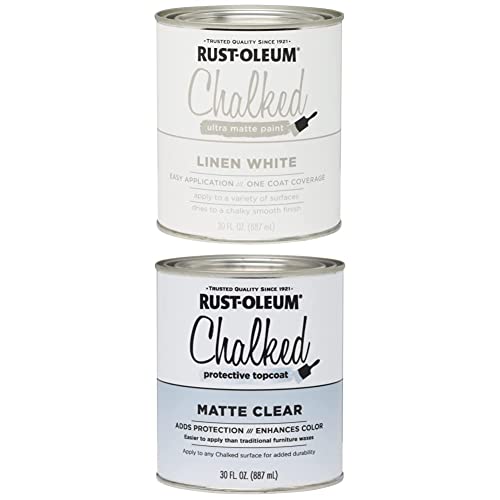
When aiming for a rustic feel, I gravitate towards chalk paints. These products offer a matte finish and can be easily distressed. The soft texture works beautifully with sandpaper or a damp cloth for softening edges.
Don’t overlook the use of textured finishes, such as metallics or distressing powders, to create visual contrast. These elements can be applied selectively, highlighting certain areas and adding interest.
Experimenting with multiple layers and finishes can lead to unexpected and unique results. I often try different combinations to achieve the textured look that tells a story through the surface.
Applying Chemical Solutions for Aging Effects
I often utilize chemical solutions to achieve authentic aging effects on wood surfaces. One popular method involves using diluted vinegar mixed with steel wool. Allow this mixture to sit for 24 hours, then apply it to the wood with a brush or cloth. This creates a weathered look, enhancing the patina.
Iron Acetate Technique
For a deeper, more pronounced effect, I create iron acetate. By soaking steel wool in white vinegar for a few days, I obtain a solution that reacts with the tannins in the wood, darkening it significantly. It’s ideal for oak and walnut, as these woods contain high tannin levels. Application is straightforward; I simply wipe it on and let it develop for a few minutes before wiping off the excess.
Walnut Stain Application
I also prefer using walnut stain for added depth. For a more natural look, I apply it directly with a rag, ensuring even coverage. This enhances grain visibility and adds warmth, perfect for achieving an aged appearance without overpowering the natural texture. Layering can intensify the effect, so I allow the initial coat to dry completely before applying additional layers.
Utilizing Tools and Equipment for Maximum Impact
Begin with a high-quality sander, selecting one that offers various grit levels for optimal smoothing and distressing. For more detailed work, a detail sander can reach intricate areas that larger models may miss.
An assortment of chisels is essential for creating deeper grooves and marks. Choose a set that varies in width; this will allow for different effects and styles. Be sure to maintain sharp edges for the best performance.
Incorporating a hammer and a variety of nails can add dimension to the wood. Using different sizes and types of nails, I create a range of impressions, imbuing the surface with character. A simple technique involves tapping the nails into the wood at different depths to produce texture.
For added effects, utilize wire brushes to scuff the surface. This tool effectively simulates wear and tear, giving the piece an authentic aging appearance. Apply varying pressure to highlight different areas.
Consider using a blowtorch for a unique and dramatic finish. The controlled flame can create a charred effect, transforming the wood’s surface while also emphasizing grain patterns. Practice safety measures, and ensure good ventilation when using this tool.
Additionally, incorporating a spray gun instead of traditional brushes will offer a more uniform application of stains or finishes. This method can prevent brush strokes and create a professional-looking outcome.
Lastly, don’t overlook the benefit of clamps and vises to secure your workpieces. They provide stability during the distressing process, allowing for greater precision and consistency in application.
Maintaining and Caring for Distressed Furniture
Regular dusting with a soft, lint-free cloth helps preserve the charm of aged wood surfaces. For deeper cleaning, I use a mild solution of soap and water, avoiding excessive moisture to prevent damage. After cleaning, I immediately dry the surface with another cloth to maintain integrity.
Protection from Elements
Keeping items away from direct sunlight and extreme humidity is essential to prevent fading and warping. I utilize coasters and placemats to shield surfaces from heat and scratches, ensuring that the character is preserved over time.
Periodic Maintenance
Applying a natural wax or furniture oil every six months enhances the sheen and protects the surface. I prefer beeswax or a mineral oil blend, which nourishes the wood while adding a layer of protection against daily wear. Before application, I always ensure the surface is clean and free of any residues.
In case of scratches or chips, I opt for touch-up markers or wax sticks specifically designed for wooden surfaces. These quick fixes blend seamlessly and maintain the distressed aesthetic. For more extensive damage, sanding and refinishing may be required, but I always approach such repairs with caution to retain the original character.
Following these steps keeps my aged pieces looking their best while highlighting their unique beauty.


