
 Caleb Turner
Prepare each piece by cleaning it thoroughly before relocation. Dust, dirt, and grease can lead to premature wear and staining during the time spent in a protective environment. A gentle soap solution followed by a soft cloth works wonders, ensuring that surfaces are spotless.
Disassemble larger items whenever feasible. This not only conserves space but also minimizes the risk of damage through potential shifts or falls while stored. Keep screws and small components in labeled bags, taped securely to the respective items for easy reassembly later.
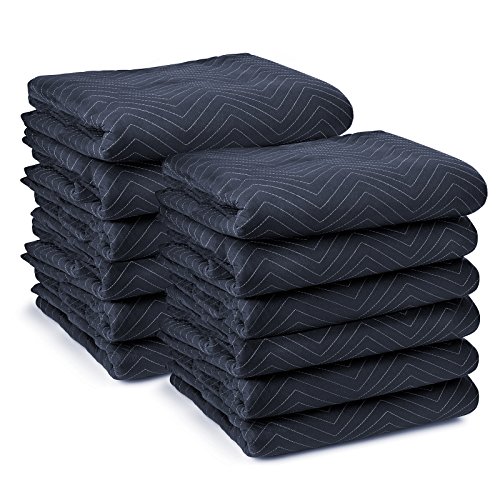
Protect surfaces with padding. Utilize blankets, bubble wrap, or furniture pads to cover each item. Pay special attention to edges and corners, which are often the first areas to sustain damage. For upholstered goods, breathable covers are ideal; this prevents moisture buildup while safeguarding against dust and dirt.
Ventilation plays a critical role. Regularly check the airflow within the unit to prevent stagnation. Make sure to avoid tightly packing items against each other, allowing enough space to circulate air and avoid issues with humidity or mold.
Lastly, climate-regulated environments require careful monitoring. Periodically review the settings to ensure conditions align with optimal preservation parameters, typically around 70°F and 50% humidity. This attention to detail will go a long way in protecting your belongings for the long term.


Tips for Protecting Your Items in Special Environment Units
Before placing your belongings in a suitable environment unit, clean them thoroughly. Dust and dirt can cause damage over time. Use soft cloths and gentle cleaners to avoid scratches.
Wrap delicate pieces in bubble wrap or moving blankets. This prevents dings and scratches. For larger items, consider disassembling them to save space and reduce the risk of damage.
Utilize pallets or shelving to keep items off the ground. This aids in ventilation and prevents moisture accumulation. Make sure the unit itself is well-organized; label boxes clearly to easily find what you need later.
Avoid placing heavy objects on top of lighter ones to prevent crushing. Additionally, use silicate gel packets in boxes to absorb any excess humidity.
Regularly check on your items to ensure they remain in optimal condition. This proactive approach will help catch potential issues before they escalate.
Finally, selecting a facility with a reliable temperature and humidity control system is crucial for long-term preservation. Reviewing the unit’s ventilation system ensures that air circulates properly, keeping harmful elements at bay.
Choosing the Right Climate Controlled Storage Unit
Select a unit based on your specific requirements. Measure your items to determine the necessary space, ensuring ample room for accessibility and ventilation. Prioritize facilities that provide security features like surveillance cameras and individual alarms.
Understand climate specifications such as temperature and humidity ranges. A unit that maintains a consistent temperature between 55°F and 80°F and humidity levels below 60% is ideal for protecting your items.
Examine the insulation and construction quality of the space. Units with insulated walls and ceilings help maintain stable environmental conditions. Look for solid, weatherproof doors and ventilation systems designed to prevent moisture buildup.
Check the access hours and policies. Opt for a facility that offers flexible access to accommodate your schedule, allowing you to retrieve or add items as needed without restrictions.
| Feature | Importance |
|---|---|
| Space Measurement | Ensures adequate room for items and ease of access |
| Security Features | Protects belongings from theft or damage |
| Temperature Control | Prevents deterioration or warping due to extreme temperatures |
| Humidity Regulation | Mitigates mold and mildew development |
| Unit Insulation | Mantains stable environmental conditions |
| Access Hours | Facilitates convenience for item retrieval |
Consider reading reviews from previous users to gauge satisfaction levels. Their experiences can guide you in making an informed decision.
Finally, inquire about supplementary services offered by the facility, such as packing supplies or transportation assistance, to streamline your experience.
Preparing Furniture for Storage: Cleaning and Disassembly
Begin by thoroughly cleaning each piece. Use a soft cloth to remove dust and dirt, and a suitable cleaner for any stains. For wooden items, I apply a wood polish or wax to maintain the finish and protect against moisture. Upholstered pieces benefit from a vacuum and spot cleaning as necessary to eliminate allergens and odors.
Next, disassemble larger units to save space. Take apart beds, tables, and shelves carefully. Keep all screws, bolts, and small parts in labeled bags and tape them to the corresponding item to avoid confusion later. Mark each piece to make reassembly straightforward. I recommend taking photos during disassembly to reference during reassembly.
Utilizing protective covers is a wise choice. For wooden items, wraps or covers guard against scratches and moisture. Upholstered pieces should be shielded from dust with breathable materials, avoiding plastic that can trap humidity. Secure all pieces tightly but ensure there’s enough padding to prevent damage during transit.
Finally, allow everything to dry completely before packing to prevent mold and mildew. Adequate preparation will help maintain the integrity of your possessions and minimize the risk of damage over time.
Optimal Packing Techniques for Furniture Protection
First, I prioritize disassembling larger pieces. This reduces the risk of damage during transport. For example, I remove legs from tables and detach cushions from sofas.
Materials for Protection
- I use bubble wrap for delicate surfaces. It cushions against impacts and keeps scratches at bay.
- Blankets and padded moving covers offer additional protection against dust and minor bumps.
- Plastic wraps are great for securing moving parts, cushions, or other removable elements, keeping them in place.
Packing Techniques
- Always wrap individual components separately before stacking. This prevents scratches and damage.
- Use sturdy boxes for small items, labeling them for easy identification later.
- Utilize every inch of space efficiently. I place smaller items inside larger ones to maximize space.
- For pieces prone to warping, like wood items, ensure they are packed in a way that minimizes pressure on them.
- Secure everything tightly, using straps or rope if necessary, to avoid shifting during transportation.
This approach minimizes wear and tear, ensuring pieces remain in excellent condition for future use. Following these packing techniques significantly enhances the safeguarding of my belongings during the moving process.
Utilizing Shelving and Racks to Maximize Space
Incorporating shelves and racks allows for streamlined organization. I recommend selecting adjustable shelving units for flexibility. This way, I can adapt the shelves according to the size of various items. Placing heavier pieces on lower levels minimizes the risk of accidents.
Vertical Space Optimization
Leverage the vertical dimension of the room. I install tall racks to increase capacity without compromising floor space. Using stackable bins on these shelves helps categorize smaller belongings efficiently. Opt for clear bins to easily identify contents, further reducing time spent searching for specific items.
Labeling and Accessibility
Label all shelves and storage containers meticulously. Clear, visible labels enhance accessibility, allowing for quick retrieval. I find it beneficial to store frequently used items at eye level, while seasonal or rarely accessed items can reside on higher shelves. This system not only maximizes accessibility but also maintains order within the confines.
Controlling Humidity and Temperature in Storage Units
Maintain a consistent temperature between 55°F and 80°F (13°C to 27°C) to protect delicate items. Avoid fluctuations, as this can lead to warping or cracking.
To manage humidity levels, aim for between 30% and 50%. Use dehumidifiers if the environment is too moist, as excess moisture encourages mold growth and damage.
Invest in a thermometer and hygrometer to monitor these conditions regularly. This ensures that both temperature and humidity stay within the recommended range. Take immediate action if readings fall outside these limits.
Seal any openings in the unit to prevent outside air from entering. This includes checking doors, windows, and vents. Proper sealing can significantly help in stabilizing internal conditions.
Consider using silica gel packets or moisture absorbers inside containers. These can effectively reduce humidity around sensitive items.
Program thermostat settings to maintain a steady temperature, especially during seasonal changes. Frequent adjustments can lead to harmful fluctuations.
Avoid stacking items directly against the walls, as this can trap moisture. Instead, leave some space for air circulation.
If you’re using a unit with a heating or cooling system, ensure it’s regularly maintained. This prevents breakdowns that could affect your stored belongings.
Inventory Management: Keeping Track of Stored Items
I recommend creating a detailed inventory list before placing items in the unit. This document acts as a checklist, allowing for organized access later. For optimal tracking, include item descriptions, dimensions, and the condition at the time of placement.
To streamline the process, categorize belongings by type or usage. Label each box or container clearly with its contents. This makes retrieval effortless and saves time when searching for specific pieces. A digital tool or app can offer convenience for logging items, allowing easy updates and accessibility from mobile devices.
Frequent audits of your inventory can prevent surprises. Regularly verify the condition and status of your items. Maintaining an updated list not only keeps track of possessions but also helps identify any items that may require attention, such as repairs or cleaning.
I advise taking photos of items, especially those that are high-value or delicate. Images provide visual documentation and can assist in insurance claims if necessary. Be sure to store these images digitally, possibly in a cloud service for added security.
If multiple people are involved in accessing items, sharing the inventory list ensures everyone is aware of what is available. Consider using cloud-based spreadsheets or collaborative tools to promote transparency among all parties.
Accessing Your Stored Furniture: Tips for Easy Retrieval
To easily access items in a unit, I recommend organizing pieces based on usage frequency. Place the most frequently needed items at the front for quick access.
Create a Systematic Layout
Develop a logical layout within the space:
- Group similar items together.
- Designate areas for specific categories, such as seating, tables, or decor.
- Use labels to clearly mark sections for quick identification.
Maintain an Inventory List
Keep a detailed inventory to track what’s inside:
- Document each piece with descriptions, dimensions, and photos.
- Use a digital spreadsheet or an app for easy updates and accessibility.
- Regularly review the inventory to ensure it remains accurate.
Consider using clear bins or containers for smaller items, as they allow for easy viewing and retrieval. Additionally, maintaining a clear pathway through the space minimizes the disruption when accessing specific pieces. By organizing effectively and keeping a thorough inventory, retrieval becomes a streamlined process.
Maintaining Furniture Condition During Storage Duration
Ensure items remain in pristine condition by monitoring the environment consistently. I prefer using a digital hygrometer and thermometer to keep tabs on humidity and temperature levels.
Wrap surfaces with breathable materials like cotton sheets, avoiding plastic that can trap moisture and lead to mildew. Use specifically designed furniture covers that allow airflow.
Regularly inspect every piece to spot potential issues early, such as pests or signs of wear. If the unit allows, access your belongings periodically to maintain familiarity and check against unexpected damage.
Organizing within the unit is key. I position heavier items at the bottom and lighter pieces on top to prevent crushing. Also, I avoid overstacking to minimize pressure on individual items.
Keep an inventory list of each piece, including photos for reference. This not only helps track what I have but provides an easy way to check the condition over time.
FAQ:
What items should I consider placing in climate-controlled storage?
When using climate-controlled storage, prioritize items that are sensitive to temperature and humidity fluctuations. This includes wooden furniture, leather items, antiques, artwork, and electronics. The stable environment helps prevent warping, cracking, mold growth, and other damage that can occur under extreme conditions.
How should I prepare my furniture before storing it in climate-controlled storage?
Prepping your furniture is key to protecting it during storage. Clean all surfaces thoroughly to remove dust and dirt. For wooden pieces, use a suitable wood polish or protector. Disassemble larger items if possible to save space. Wrap your furniture in blankets or bubble wrap to shield it from scratches and dings, and ensure that each item is stored off the floor to prevent moisture damage.
What is the best way to organize furniture in a storage unit?
To optimize space and protect your items, organize your furniture by size and frequency of access. Place larger pieces, such as sofas and tables, at the back of the unit or against the walls. Smaller items can be grouped together, and frequently accessed items should be near the front. Consider using shelving to maximize vertical space and ensure proper airflow around stored items.
Is it necessary to cover furniture in climate-controlled storage?
Yes, covering furniture is highly advisable, even in climate-controlled spaces. Using covers such as moving blankets, sheets, or specialized furniture covers protects items from dust and potential scratches. It also helps to minimize exposure to light, which can fade certain materials over time. Proper coverings can enhance the longevity of your furniture while in storage.
How long can I store my furniture in climate-controlled storage without worry?
Furniture can be stored for extended periods in climate-controlled units without issues, as long as it is properly prepared. Regularly checking on your items can help ensure their condition remains good. Most people store furniture for several months, but long-term storage, which could mean years, is also feasible if appropriate precautions are taken, such as maintaining the unit’s climate settings and checking on the furniture periodically.


