Caleb Turner

For optimal results, I recommend preparing the surface meticulously by sanding it down with fine-grit paper to ensure uniformity. This step is vital as it opens up the grain and allows for better absorption of color. Make sure to remove all dust and debris afterward, as any particles left will compromise the finish.
Choosing the right color is crucial; lighter shades enhance the natural beauty, while darker hues can add elegance. I find that using a pre-stain conditioner significantly improves the uniformity of the tint. Applying it according to the manufacturer’s instructions helps mitigate any blotching that can occur with such a porous material.
Applying your chosen coloration with a brush or cloth can lead to varied results. I prefer a cloth for a more controlled application, allowing me to rub the product in evenly. Wipe off any excess promptly, as leaving it too long may result in an uneven appearance.
Letting each coat dry thoroughly before applying subsequent layers is essential. I generally wait a minimum of 24 hours between applications to achieve a deeper hue and finish. Once satisfied with the color, sealing the surface with a protective topcoat provides durability and highlights the depth of the finish.
Staining Techniques for Light-Surfaced Beech
Before beginning, ensure the surface is clean and free of dust. I recommend using a gentle sandpaper, such as 220-grit, to prepare the surface. This step opens up the grain, allowing for better absorption of the pigment.
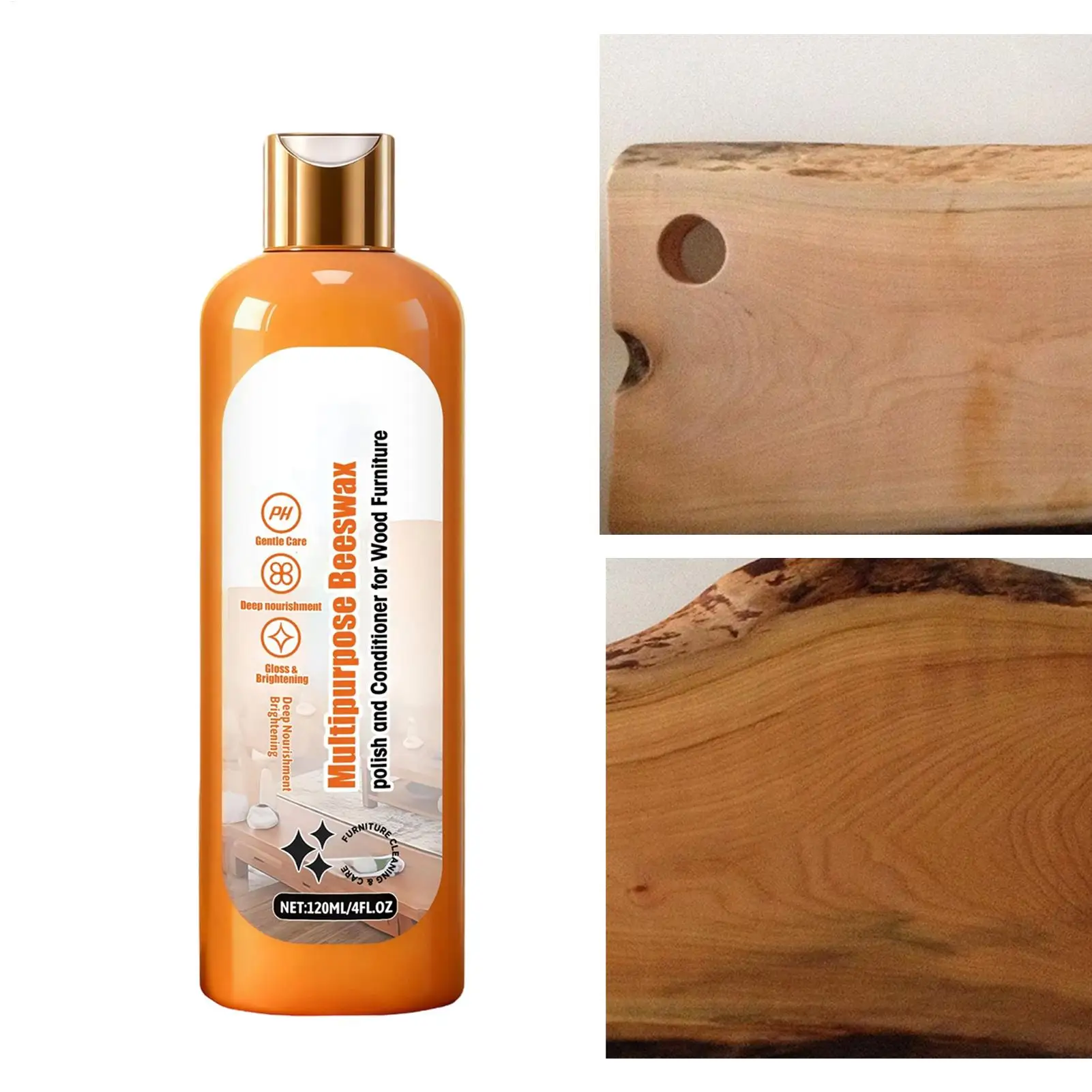


To achieve a rich color, I opt for a gel-based dye or a pigment-based liquid solution, which tends to deliver consistent results. Apply the product using a high-quality brush or a clean cloth, working in small sections. Wipe off any excess after about 5-10 minutes to prevent blotchiness. This technique helps in achieving a balanced finish while enhancing the grain’s natural beauty.
Consider testing the stain on a scrap piece first, as results can vary widely depending on the specific characteristics of the timber. Once satisfied with the color, allow ample drying time before applying a protective finish.
A clear polyurethane or lacquer finish adds durability and enhances the visual appeal. I often apply multiple coats of finish, lightly sanding between each coat using fine grit sandpaper to ensure a smooth surface and optimal adhesion.
Maintaining the integrity of the item post-treatment is crucial. Regular cleaning with a damp cloth and occasional reapplication of the protective coat will keep it looking fresh and vibrant.
Choosing the Right Stain for Maple Wood
Prioritize gel or oil-based options for deeper pigmentation, enhancing the natural grain. Avoid water-based formulas; they might raise the fibers, leading to an uneven appearance. Aim for medium to dark hues to mask the inherent light coloration effectively.
Test samples on scrap pieces before committing. This helps visualize how the finish interacts with the grain. Try walnut or espresso shades for a rich contrast, or ash for a subtle, sophisticated touch.
Consider the intended ambiance. For a warm, rustic feel, opt for amber or honey tones. If a modern aesthetic is desired, cooler grays and blues work better to achieve a refined look.
Lastly, don’t overlook the compatibility of the chosen coating with your final finish. Some combinations can lead to issues like peeling or discoloration, which can compromise the overall aesthetic. Matching the products ensures durability and visual appeal.
Preparing Maple Wood Before Staining
Before applying any color, I ensure to thoroughly clean the surface. I use a mixture of mild soap and water to wipe away dust or grime. After that, I let it dry completely to avoid any moisture interference during the application.
Next, I inspect the piece for imperfections. Any dents or scratches I encounter are gently sanded down with fine-grit sandpaper. I always sand in the direction of the grain to maintain a smooth finish.
Once I’ve addressed any blemishes, I shift my focus to smoothing the surface. I use higher grit sandpaper, usually around 220 or even 320, to refine the texture. This step is key, as it prepares the fibers to accept the hue more evenly.
After sanding, I clean the surface once again, but this time I use a tack cloth to remove any fine dust particles. I find that this step is critical for achieving a professional appearance after coloring.
Additionally, I like to apply a pre-stain conditioner, especially with lighter shades. This product helps minimize blotching and ensures an even application, giving me more control over the final look. The conditioning agent penetrates the fibers, setting the stage for a successful finish.
Finally, I allow everything to settle before I begin the coloring process. This attention to detail during preparation ensures that the outcome meets my expectations.
Understanding Maple’s Grain Structure
The grain pattern of this hardwood is intricate and diverse, making each piece distinct. When considering treatment, my focus is on two primary features: the fine, even texture and the occasional wavy or curly figure. These characteristics can significantly influence the final appearance after application.
An in-depth look reveals that the grain density varies throughout, which means uneven absorption during finishing can occur. Without adequate preparation, some areas might appear blotchy, while others show a richer hue. To combat this, I always implement a conditioning step before applying any color. This allows for a more uniform result.
Here’s a breakdown of different grain types found in this hardwood:
| Grain Type | Description |
|---|---|
| Straight Grain | Even texture, straightforward application. Ideal for achieving a classic look. |
| Curly Grain | Creates a stunning visual effect, but requires careful application to reveal depth. |
| Wavy Grain | Provides unique patterns; I find that enhancing this type with contrasting shades yields striking results. |
| Birdseye Pattern | Characterized by tiny, round spots; very distinctive and often sought after. |
Additionally, since each piece reacts differently, I always test applications on a small, hidden area. This practice helps me visualize how the final appearance will turn out based on existing patterns.
Testing Stain Colors on Maple Samples
I recommend creating a test board using small offcuts from the main piece. This allows for experimentation without risking any damage to the furniture itself.
Choose a few samples of colors that you like. Apply each one to a separate section of the test board. Use a small brush or clean cloth to ensure even application. Since the texture of the surface can influence the final appearance, consider using the same preparation methods on the samples as you plan to use on the actual item.
Let the samples dry completely to see the final results accurately. Drying times can vary, so check the manufacturer’s instructions for guidance. Pay close attention to how the colors interact with the natural grain – some shades will highlight the patterns better than others.
I suggest observing the samples in different lighting conditions. Natural light can change the perception of the color considerably, revealing undertones that indoor lighting may obscure. A good practice is to place the samples in the same locations where the final piece will be displayed.
Once you’ve found a preferred hue, consider applying a topcoat on the test board. This step will show how the finish affects the overall appearance. It may intensify the color or add sheen, so include this in your decision-making process.
Be mindful of how each option complements the existing decor and furnishings in your space. Visual harmony plays a significant role in achieving the desired aesthetic. Take notes on your observations for future reference, as this can help solidify your choice.
Applying Stain Evenly on Maple Surfaces
To achieve a uniform finish on lighter species, I prefer using a foam brush or a lint-free cloth. These tools minimize streaks and help distribute color evenly across the surface.
Steps for Even Application
- Prepare your workspace with adequate lighting and ventilation.
- Apply the first coat liberally in the direction of the grain.
- Work in manageable sections to avoid dry edges.
- Use long, even strokes to ensure consistent coverage.
- Blot any pooling with a clean cloth immediately to prevent drips.
After the initial coat dries, I assess the evenness of the color. If necessary, lightly sand the surface with fine-grit paper to smooth out any raised grain, then remove the dust with a tack cloth.
Building Layers Carefully
For deeper tones, I prefer to apply multiple thin layers rather than one thick coat. This method enhances transparency and allows better control over the final hue.
- Wait for each layer to dry completely before applying the next.
- In between layers, lightly sand to ensure adhesion and an ultra-smooth finish.
By following these specific steps, I focus on achieving a rich, even color while highlighting the natural beauty of the grain. Consistency and patience yield the best results during the coloring process.
Diluting Stains for Better Absorption in Maple
To enhance absorption, I recommend mixing the stain with a solvent such as mineral spirits or water, depending on the product’s base. Diluting the mixture typically ranges from 10% to 20%. This adjustment will increase penetration into the grain without compromising the color too dramatically.
For optimal results, I test a small amount of diluted product on a scrap piece of the same species. This pre-check allows me to gauge both the absorption rate and the final hue. Mixing the solution thoroughly is essential to ensure consistency throughout the application.
I usually apply a thin layer with a brush or cloth. After several minutes, I wipe off the excess to prevent pooling in the wood pores, which could lead to blotchy patches. Keeping an eye on drying times will help me achieve that desired finish without residue build-up.
In my experience, making adjustments to the dilution based on the specific project conditions–such as humidity and temperature–yields better control over the overall outcome. A well-thought-out approach guarantees a smoother result, making the natural features more prominent.
Finishing Techniques After Staining Maple
To enhance the beauty and durability of the surface after applying a coloring agent, using a high-quality clear finish is imperative. I recommend polyurethane or varnish, both available in oil-based or water-based options, depending on the desired sheen and drying time. Ensure the surface is fully dry before commencing application of the finish.
Application of the Topcoat
Utilize a synthetic brush or foam applicator for an even coat. Apply the finish in long, even strokes, minimizing excess to avoid drips and runs. I typically recommend two to three coats, allowing adequate drying time as specified by the manufacturer.
Surface Preparation Between Coats
After drying, lightly sand the surface with fine-grit sandpaper (220 grit) to promote adhesion of subsequent layers. Clean the surface with a tack cloth to remove any dust particles before applying the next layer. This technique results in a smoother finish and a more professional appearance.
Common Mistakes When Staining Maple Furniture
Ignoring the grain pattern leads to uneven application. Always observe how light interacts with the surface before proceeding.
-
Skipping the test patch can result in unexpected color outcomes. Always apply a sample on scrap pieces to see the final hue after drying.
-
Omitting proper surface preparation often causes poor adhesion. Ensure that all debris, oils, and previous finishes are thoroughly removed.
-
Applying too much product at once creates blotches. Use a cloth or brush to work in thin layers, allowing each to penetrate adequately.
-
Not using a pre-stain conditioner can lead to splotchiness. This product evens out application for a smoother finish.
-
Overworking the surface while applying can lift fibers and create an uneven texture. Apply gently and avoid excessive rubbing.
-
Rushing the drying time prevents the finish from settling properly. Allow adequate time between coats to ensure a uniform appearance.
-
Neglecting the impact of environment on drying can lead to issues. Ensure proper ventilation and stable temperatures during the process.
Falling for low-quality products can diminish the quality of the project. Invest in reputable brands for a long-lasting finish.
Maintaining Stained Maple Furniture Over Time
Regularly dust the surfaces with a soft, lint-free cloth to prevent buildup. For deeper cleaning, use a mix of mild soap and water, applying with a damp cloth and avoiding soaking the surface. Always dry immediately with a clean, dry cloth.
Protecting Against Damage
Coasters and placemats should be utilized to prevent rings and scratches. Avoid placing hot items directly on surfaces, as thermal shock can compromise finishes. Consider using felt pads under items to minimize wear.
Periodic Touch-ups
Assess the integrity of the finish every few months. If you notice dull patches or scratches, lightly sand the affected areas with fine-grit sandpaper and reapply a compatible finish. This proactive approach ensures longevity and preserves the piece’s appearance.