
 Caleb Turner
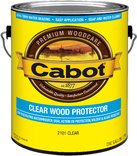
Choosing a high-quality protective solution is critical for maintaining the appearance and longevity of your exterior pieces. I recommend using a product that penetrates deeply while allowing the natural grain and beauty of the material to shine through. Selecting a semi-transparent option can provide the right balance of color enhancement and protection.
Before applying, ensure the surfaces are clean and dry. A thorough cleaning with a mild detergent solution and a scrub brush can effectively remove dirt, mildew, and previous finishes. Allow ample time for drying–typically 24 hours–before proceeding.


Employ a brush specifically designed for application to enhance the finish and ensure an even coat. I find it helpful to work in small sections, applying the solution in the direction of the grain. After the first coat has dried, assess the hue; a second layer can deepen the color and improve durability against the elements.
Regular maintenance is key. I suggest reapplying the protective solution every season to safeguard against moisture and UV damage. Storing the items or covering them during harsh weather can also prolong their lifespan, keeping them looking new for years to come.
Application Steps for Enhancing Exterior Timber Features
Choose a high-quality product specifically formulated for external use. This ensures longevity and resistance to moisture and UV rays.
Preparation of the Surface
Begin by cleaning the surface thoroughly. Use a mixture of water and mild detergent to remove dirt and grime. Afterward, rinse with clear water and allow it to dry completely. If the wood is previously treated, sanding may be necessary to remove old finishes and promote better adhesion.
Application Process
Use a brush or a sprayer for application. For even coverage, apply thin coats, ensuring to follow the wood grain. Allow each coat to dry fully before adding another layer. Typically, two to three coats provide optimal protection. Keep an eye on the drying times, as they can fluctuate based on environmental conditions.
After finishing, allow the wood to cure for several days before exposing it to the elements. Regular maintenance will keep the surface looking fresh; consider reapplying treatment every one to two years.
Choosing the Right Stain for Your Wood
Select a product based on the intended look and protection level required. For a natural finish that highlights the grain, opt for semi-transparent options. These allow the wood’s character to show through while adding a hint of color. If you prefer a solid appearance that masks imperfections, consider opaque formulations.
Evaluate the type of finish: oil-based stains penetrate deeply, offering durability and resistance to moisture, while water-based alternatives dry quickly and are easier to clean up. I lean towards oil-based products for high-traffic areas due to their longevity.
Consider climate factors affecting longevity. In sun-drenched environments, choose UV-resistant options, as they will minimize fading and maintain the color longer. Alternatively, in regions with high humidity, prioritize mildew-resistant formulations to prevent growth.
Review the manufacturer’s instructions regarding application methods. Spraying allows for an even coat on large pieces, while brushing gives more control in intricate areas. Some stains even come in easy-to-use pads, eliminating drip issues.
Test the chosen product on a small, inconspicuous area to gauge compatibility with your specific timber. It’s my rule to assess how the finish interacts with the grain and to check drying times before committing to the entire piece.
Lastly, consider the finish’s maintenance requirements. Some formulas need reapplication every couple of years, while others boast long-term protection. Align my choice with the level of upkeep I’m willing to invest to keep everything looking its best.
Preparing the Furniture Surface for Staining
Thoroughly clean the surfaces before applying any coating. I use a mix of warm water and mild soap to remove dirt and grime. A sponge or soft cloth works best to avoid scratches.
For stubborn stains or mildew, I opt for a solution of vinegar and water. After scrubbing, rinsing with clean water ensures no residue remains. Allow the pieces to dry completely, ideally in a well-ventilated area.
If the texture feels rough or has old finishes peeling, I use sandpaper or a sanding block to smoothen it. I recommend starting with a coarser grit to remove any leftover finish, followed by a finer grit for a smooth feel. Ensure all dust is wiped away before moving on.
Pay attention to the edges and corners, as these areas often require extra work. I usually take my time here to ensure every part is prepped evenly.
In some cases, I find it beneficial to test the preparation on a hidden spot. This can help gauge how the surface interacts with the chosen product, ensuring optimal results.
Lastly, double-check that the pieces are free from moisture or dew before applying the new finish. Any remaining dampness can lead to poor adhesion or uneven application.
Applying Stain Evenly with Proper Techniques
To achieve a uniform application, I always utilize a high-quality brush or a foam applicator. These tools allow for better control and smoother coverage. I dip the brush into the finish, ensuring it’s not overloaded, and start applying from one corner, working my way across the surface in long, even strokes.
Maintaining a wet edge is vital. I overlap each stroke slightly to prevent any lap marks. If I notice any excess dripping, I quickly smooth it out with the brush, ensuring an even look. It’s also important to work with the grain; this helps to minimize visibility of brush marks and enhances the natural texture.
For large areas, I often switch to a rag or a lint-free cloth after the initial application, as this method helps in evenly distributing the product. I apply it in a circular motion, blending transitions and eliminating streaks. Regular immersion into the finish is key to keep the rag damp, which aids in absorption and prevents drying too quickly.
I always pay attention to the weather; avoiding hot or windy days ensures the finish does not dry too fast, leading to unevenness. I let the first coat dry completely before assessing if a second application is necessary, as this can help in achieving deeper color and uniform sheen.
Sealing the Stain for Long-Lasting Protection
I recommend applying a high-quality clear finish after the color treatment has dried completely. Choose a product designed for exterior use, as it offers better resistance to UV rays and moisture. Polyurethane and marine varnish are excellent options, providing long-lasting durability.
Before sealing, ensure the surface is clean and free of dust. Lightly sand the area with fine-grit sandpaper for better adhesion of the sealant. Wipe off any dust with a damp cloth or tack cloth and allow it to dry.
Using a clean brush or a foam applicator, apply the sealant evenly in thin coats. Follow the manufacturer’s instructions regarding drying times between applications; usually, two to three coats are ideal for optimal protection. Make sure to cover all surfaces, including edges and undersides.
Once the final coat is applied, let the piece cure for the recommended duration before use. Regular maintenance, such as reapplication every couple of years, will help maintain the beauty and integrity of the surface over time.
Maintaining Stained Wood Furniture Over Time
Regular upkeep is key to preserving the beauty and durability of treated surfaces. I recommend inspecting items seasonally for signs of wear or damage, such as fading, peeling, or moisture accumulation. Addressing issues promptly will extend the life of your decor.
Cleaning Routine
Use a mild soap mixed with water and a soft cloth or sponge to gently remove dirt and grime. Avoid harsh chemicals that can strip the protective layer. Rinse thoroughly to prevent residue buildup. After cleaning, let the surface dry completely before evaluating its condition.
Protection Measures
Applying a protective coating enhances resilience against weather elements. A polymer-based sealant applied every year or two will safeguard surfaces from UV rays and moisture penetration. For high-traffic areas, consider renewing the finish every six months for optimal durability.
| Maintenance Task | Frequency |
|---|---|
| Inspect for damage | Seasonally |
| Clean with soap and water | Monthly |
| Reapply protective sealant | 1-2 years |
| Renew finish in high-traffic areas | Every 6 months |
By following these maintenance practices, I ensure that my treated items not only retain their aesthetic appeal but also withstand the elements effectively.
Common Mistakes to Avoid When Staining Wood
Skipping surface preparation is the most frequent error I encounter. Thoroughly cleaning and sanding ensures better adherence of the finish, enhancing the overall result.
Applying the product on a humid day can lead to uneven drying and a blotchy appearance. I always check the weather forecast to find a suitable window.
Overloading the brush or cloth can create run-offs and drips. It’s more effective to apply a thin layer and build up gradually, ensuring a uniform look.
Rushing through the process is detrimental. Each coat needs adequate drying time before applying the next. I set a timer to avoid accidental haste.
Neglecting to test first on a scrap piece or hidden area is unwise. This can lead to unexpected color results; I always make sure to do a test patch before committing.
Ignoring the manufacturer’s instructions often leads to complications. I closely follow guidelines for the specific product to achieve the desired finish.
Overlooking the sealing stage compromises longevity. I apply a protective topcoat once the initial layers dry, ensuring durability against the elements.
Finally, forgetting about maintenance will diminish the appearance over time. Regular cleaning and touch-ups extend the life of my treated surfaces.


