
 Caleb Turner

Before commencing any project, ensure proper ventilation in your workspace. Choose a well-lit area, ideally outdoors, to allow fumes to dissipate and to observe your progress accurately. Gather essential supplies such as sandpaper, a clean cloth, and a suitable finishing product designed for wood treatment.
I recommend beginning with a thorough cleaning. Remove dust and grease with a damp cloth to create a smooth surface for the application. Once dried, select the appropriate grit sandpaper to gently abrade the surface. This step enhances adhesion, ensuring a professional finish. After sanding, be sure to wipe away any residue for the most effective results.
Next, choose a color that aligns with your design preferences. It’s advisable to test a small area before applying the finish to the entire piece. This way, I’m able to ensure the shade matches my vision. Once satisfied, apply the product using a smooth brush or cloth, working in the direction of the wood grain for an even coat.
Finally, allow ample time for the application to dry thoroughly according to the manufacturer’s instructions. Applying a second coat may enhance the color and protect the surface further. Following these specific steps will lead to a refined look and prolong the life of my woodworking projects.


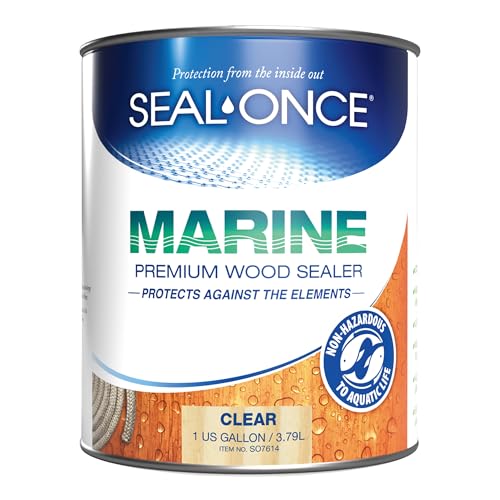
Finishing Wood Projects with Color
Choose a well-ventilated area for your work. Prepare the surface by sanding it smoothly, starting with coarse grit and moving to fine grit. Clean off dust using a tack cloth or a damp rag.
| Tip | Description |
|---|---|
| Testing | Before applying any pigment, test on a scrap piece of wood to see how the hue looks after drying. |
| Application Tools | Use brushes, rags, or foam applicators depending on the desired finish. A brush works well for detailed areas, while a rag helps with larger surfaces. |
| Technique | Apply evenly in the direction of the wood grain to avoid streaks. Don’t overload the tool; lighter applications are better for control. |
| Drying Time | Let the layer dry completely as per the manufacturer’s instructions. This might take several hours to overnight. |
| Sealing | After the pigment has set, consider applying a protective coat, such as polyurethane, to enhance durability and shine. |
For a uniform look, apply multiple coats, sanding lightly between applications. Make sure each coat is dry before adding the next. Maintain a consistent workspace for best results. Lastly, clean tools immediately after use to preserve their quality.
Choosing the Right Type of Stain for Your Project
Opt for water-based options when you need a quick-drying solution. These are user-friendly, produce less odor, and facilitate easy cleanup with soap and water. However, they may require more than one coat to achieve a deep color.
Oil-based varieties offer durability and richer hues. They take longer to dry, usually requiring 6 to 8 hours between coats, but the finish they provide is often superior in depth and warmth. Remember to use appropriate solvents for cleanup.
Consider Your Surface
- Hardwoods, like oak and maple, typically react well to most types.
- Softwoods, such as pine, may absorb product unevenly, making a pre-stain conditioner beneficial.
Evaluate Color Choices
- Test colors on a small section to see how they look in your space.
- Consider how light affects the appearance over the course of the day.
Avoid overly dark shades for smaller areas, as they can make the space feel enclosed. Light and natural tones can enhance the feeling of openness.
Preparing Your Furniture for Staining
First, ensure a clean working environment. Clear the area of dust and debris to avoid imperfections on the surface during the application process.
Next, remove any existing finish by using a chemical stripper or sandpaper. If opting for sandpaper, start with coarse grit (80-120) to eliminate the top layer, then switch to finer grit (180-220) to smooth the surface. Sand in the direction of the grain to prevent scratches.
Once the surface is smooth, thoroughly wipe it down with a damp cloth to remove wood dust. Allow it to dry completely before proceeding.
If you’re working with a softwood, consider applying a pre-stain conditioner to ensure even absorption. This step is especially important to avoid blotchiness in the final appearance.
Finally, inspect your piece under good lighting to ensure uniformity in preparation. Any imperfections should be addressed before applying color. Use this time to think about your desired outcome and how each step contributes to the final result.
Applying Stain Evenly and Smoothly
Use a high-quality brush or foam applicator to ensure a smooth coat. Begin at one edge and move steadily across the surface in long, even strokes. This technique helps to avoid streaks and blotches.
Technique and Timing
Work in small sections to control the drying time. If the liquid is left too long, it can dry unevenly. Wipe off excess with a clean cloth before it sets to achieve a consistent finish. Aim for 5-10 minutes of dwell time before removal.
Layering for Depth
After the first layer dries, you can assess the color. If a darker hue is desired, apply additional coats. Ensure each layer dries thoroughly before proceeding. Lightly sand between applications with fine-grit paper to enhance smoothness and adhesion.
Understanding Drying Times and Conditions
Choose a space with ample ventilation. Good airflow accelerates evaporation, resulting in quicker drying. A fan can help improve air circulation.
Temperature greatly influences drying. Ideal conditions range from 65°F to 75°F (18°C to 24°C). High humidity can prolong drying times, while dry air speeds up the process.
Be mindful of the thickness of your application. Thicker layers take longer to dry. For best results, apply thin coats.
Typically, a stained surface may feel dry to the touch within a few hours, but it can take up to 24 hours or more to fully cure. Avoid using the item during this period.
Monitor the product label for specific guidelines, as different formulas may have varying requirements.
- Use a moisture meter to check wood moisture levels before starting.
- A heat source can dry quicker but may risk cracking if excessive.
- Keep track of humidity levels during application; aim for around 50% relative humidity.
If unsure, perform a “tack test” by lightly touching the surface. If it feels sticky, allow more time to dry.
Sealing Your Stained Furniture for Longevity
To protect the finish and enhance durability, applying a high-quality sealer is crucial. I recommend choosing polyurethane or a water-based option for an easy application. With a brush or cloth, ensure I apply a thin, even coat. Avoid overloading the applicator to prevent drips.
Before sealing, let the color treatment cure as per the product instructions. Usually, this is around 24 hours. In addition, light sanding with fine-grit paper between coats improves adhesion for the subsequent layer.
Two to three coats of sealer provide adequate coverage. Each coat enhances resilience against scratches and moisture. Always ensure the previous layer dries completely before applying the next one.
Once finished, allow the sealed surface to cure for several days before use. This step ensures the protective layer fully hardens, which maximizes longevity. Regular cleaning with a damp cloth helps maintain the beauty of the surface over time.
Common Mistakes to Avoid When Staining
Ignoring preparation is a frequent error. Skipping sanding or cleaning leads to uneven application and poor adherence. I always ensure surfaces are smooth and free of dust before I begin.
Overloading the brush or cloth can result in drips and blotches. A light touch works best; I apply in thin layers, allowing better control and avoiding excess product.
Choosing the wrong type of applicator is a common issue. I’ve found that using foam brushes or lint-free cloths yields a smoother finish than traditional bristle brushes.
Failing to test before committing is a misstep I’ve learned to avoid. I always sample the product on a concealed area or scrap wood to see how the tone develops after drying.
I also watch the drying time closely. Applying additional coats too soon can disrupt the finish and create a sticky surface. I adhere to recommended drying periods between layers.
Neglecting to ensure adequate ventilation can hinder the process and affect the final outcome. I always work in a well-ventilated space to minimize fumes and promote even drying.
Using the wrong finish afterward is another pitfall. I prefer oil-based finishes on certain woods, as they enhance depth, while water-based options are great for quick, clean jobs.
Finally, I learned never to rush the cleanup. Promptly washing brushes and tools prevents hardening and ensures they remain ready for my next project.
Cleaning and Maintaining Stained Surfaces
I recommend dusting the treated areas weekly with a soft, dry cloth. This prevents the buildup of dirt and grime that can dull the finish. For deeper cleaning, a damp cloth with a mild soap solution works wonders, but ensure to wring it out well to avoid excess moisture.
Avoid harsh chemicals or abrasive materials that could scratch the surface. Instead, opt for gentle cleaners specifically designed for finished wood if needed. After cleaning, I wipe the surface with a dry cloth to remove any residual moisture.
<p.Regularly checking for signs of wear is crucial. If I notice any areas beginning to age, light sanding and a touch-up of the original color can rejuvenate the appearance effectively. Always test any touch-up product on a hidden area first to see how it reacts with the existing finish.
<p.When it comes to protecting against spills, immediate action is required. I blot spills promptly with a clean, dry cloth rather than rubbing, which could spread the liquid or damage the surface. After addressing the spill, I follow up with the cleaning method mentioned earlier.
<p.To maintain the beauty and integrity of the finish, I apply a quality furniture polish or wax every few months. This adds a layer of protection and enhances the glow of the wood. Always check the manufacturer's instructions to choose a compatible product.


