Caleb Turner

To restore the allure of your corroded steel items, ensure you meticulously prepare the surface first. Remove any flaky residue or loose material with a wire brush or sandpaper, creating a smooth foundation for the finishing coats.
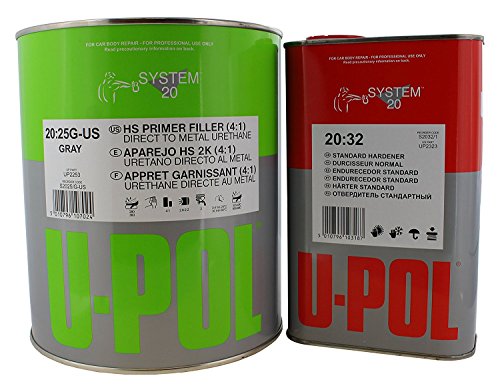
Once the surface is clean, apply a primer designed specifically for ferrous surfaces. This will enhance the adherence of subsequent layers and prevent further oxidation. Opt for a rust-inhibiting primer for optimal results.
After the primer has thoroughly dried, you can proceed with your desired finishing coatings. Select a product that’s formulated for outdoor durability if the items will be exposed to the elements. Apply the layers in light, even strokes to achieve a flawless finish, allowing each coat to dry completely before the next application.
Finally, once your project reaches completion, consider sealing the surface with a clear coat for extra protection against wear and tear. This step will prolong the item’s lifespan and keep it looking fresh regardless of the environment.
Preparation Steps for Revitalizing Outdoor Decor
Begin with a thorough assessment of the surface condition. Remove any loose flakes or particles with a wire brush or sandpaper to ensure optimal adhesion of the new coating. Clean the surface meticulously using a mixture of soap and water, followed by a rinse. Dry it completely before proceeding.


Protect surrounding areas with drop cloths and painter’s tape. Use tape to shield sections that shouldn’t receive treatment, ensuring crisp lines and a tidy finish.
Choosing the Right Coating
Select a primer specifically designed for challenging surfaces, ensuring it offers rust prevention. A quality finish can help resist future corrosion. For the top layer, high-quality options available in various finishes should be considered based on your preference for gloss or matte effects.
Application Tips
Maintain a consistent distance of 6-10 inches from the object when applying the coating. Use light, even strokes, allowing each layer to dry before adding another. Multiple thin layers yield a more durable and aesthetically pleasing result. Aim for at least two coats of finish to achieve full coverage and protect against wear.
Assessing the Condition of Your Metal Furniture
I first examine the surface for any signs of deterioration. Checking for uneven spots or areas with flaking is key, as these can indicate deeper issues.
Next, I inspect for compromised sections. If parts show significant damage, I consider replacing them instead of refurbishing. I also ensure that I note any structural weaknesses which might require support or reinforcement.
Clearly visible corrosion forms can signal a need for a thorough clean-up. Using a wire brush or sandpaper on affected regions helps in removing loose particles and revealing the base material’s state.
I keep an eye on the joints and connections. These areas often collect moisture and may show signs of decay. Ensuring these remain intact is critical for the overall stability of the piece.
The surrounding environment matters too. Identifying the location of the item helps me decide on the protection measures necessary to prevent future deterioration.
I make a list of all findings to strategize the upcoming restoration steps effectively. Documenting the current state allows me to track improvements after the renovation work is finished.
Choosing the Right Spray Paint for Metal
I recommend selecting a paint specifically formulated for metal surfaces. Look for options that offer rust resistance and are suitable for both indoor and outdoor use. Check the label for terms like “anti-corrosive” or “metal finish,” which indicate enhanced durability against elements.
Acrylic-based formulations tend to provide a smooth finish and quick drying time. Alternatively, oil-based options can offer superior adhesion and a tougher coat, making them ideal for high-traffic areas. If you’re in a well-ventilated space, solvent-based choices may also provide better overall coverage.
Consider the color and finish as well. High-gloss varieties reflect light, adding a shine to the item, while matte finishes give a more understated look. If you desire texture, look for options specifically designed to create a hammered or stone-like appearance.
Lastly, ensure compatibility with any primer or sealer you plan to use. Some brands recommend specific primers to maximize adherence and finish quality. Always follow the manufacturer’s instructions for the best results and longevity of your project.
Preparing the Workspace for Painting
Ensure your environment is clean and well-ventilated. Move items away from the area to prevent overspray and protect surrounding surfaces. Cover the ground with a drop cloth or newspaper to capture any excess that may drift during the project.
Identify a location that allows for unrestricted airflow and is free from dust and debris. This will help achieve a smooth finish without imperfections. Select a day with low humidity to facilitate proper drying times.
Gather Necessary Supplies
Collect all required items before starting. Essential tools include a respirator mask to protect against fumes, gloves to keep your hands clean, and safety goggles to shield your eyes. Have your chosen coatings and a cleaning solution readily available.
Manage Lighting and Accessibility
Good lighting is key to spotting any misses or imperfections. Position strong lights around the workspace so that everything is clearly visible. Keep everything within arm’s reach to streamline the process and maintain momentum.
Removing Rust and Old Paint from Metal
I recommend using a combination of mechanical and chemical methods to effectively eliminate corrosion and aged coatings. Start with a wire brush or a power sander to remove loose rust and paint. Ensure you wear protective gear, including gloves and a mask, to avoid inhalation of dust and debris.
Mechanical Removal
A wire brush is effective for smaller areas, while an angle grinder equipped with a sanding disc works well for larger surfaces. For even more challenging spots, consider utilizing a scraper or a media blaster if accessible. The goal is to achieve a clean, bare surface that will aid in adhesion.
Chemical Solutions
If corrosion persists, opt for a rust dissolver or a paint stripper. Apply according to the manufacturer’s instructions, allowing sufficient time for the product to work. Follow up by scrubbing the surface with a stiff brush and rinsing well to eliminate any residue. Afterward, dry completely before proceeding with further preparations.
Applying Primer to Rusted Areas
After preparing the surface, I apply a primer specifically designed to adhere well to the compromised spots. This step is crucial to ensure good adhesion for subsequent coatings and to prevent further oxidation.
Selecting the Right Primer
It’s important to choose a high-quality primer that is rust-inhibiting. Look for options labeled as suitable for iron or steel. My preference leans towards spray primers, as they provide an even application without brush marks.
Application Process
- Shake the primer can vigorously for about a minute to mix the contents thoroughly.
- Hold the nozzle about 6 to 12 inches away from the surface. This distance helps achieve an even coating.
- Apply in thin layers, using a sweeping motion to cover the rusted areas. Avoid over-saturating any single spot to prevent drips.
- Let the primer dry according to the manufacturer’s instructions, which usually takes about 30 minutes to an hour.
Once the primer is dry, inspect the surface for any missed spots or uneven areas. If necessary, apply a second coat for optimal coverage and protection. This preparation ensures a strong foundation for the finishing layers.
Techniques for Spray Painting Evenly
Maintaining consistency throughout the application is crucial. I prefer using a sweeping wrist motion while holding the can at a 10 to 12-inch distance from the surface. This distance helps in achieving an even layer without drips or heavy spots.
I recommend starting from one end and moving to the other in smooth strokes, slightly overlapping each pass. This technique prevents any missed spots and promotes uniform coverage. If I feel any runs starting to develop, I immediately adjust my distance or angle to correct it.
Movement Patterns
Utilizing a back-and-forth or up-and-down motion reduces the likelihood of uneven areas. Generally, I prefer the back-and-forth method for larger sections, allowing me to cover ground quickly. For detailed or intricate parts, a circular motion might be more effective, ensuring I reach all nooks and crannies.
Layering Technique
Applying multiple thin layers rather than one thick coat enhances the final look. Each layer should dry for about 10-15 minutes before the next application. I find that waiting a bit longer for drying between coats results in a smoother finish and minimizes imperfections.
| Technique | Description |
|---|---|
| Wrist Motion | Sweeping wrist motion keeps the can at the right distance. |
| Movement Patterns | Back-and-forth for large areas, circular for detailed spots. |
| Layering | Multiple thin layers promote uniformity and reduce drips. |
Finally, always observe the finish from various angles to catch any areas needing more attention. This practice ensures the surface appears seamless from all perspectives.
Drying Times: What to Expect After Coating
Typically, I allow for at least 15 to 30 minutes for the initial layer to become touch dry, which means it should not feel sticky to the touch. However, full curing can take anywhere from 24 hours to several days depending on environmental conditions.
Factors Influencing Drying Times
- Temperature: Warm environments usually speed up the drying process. Aim for temperatures above 50°F (10°C) for optimal results.
- Humidity: High humidity can significantly extend drying times. If the air is too moist, the finish may remain tacky longer.
- Air Circulation: Improved airflow helps in quicker drying. I often use fans or open windows to boost circulation in the workspace.
Checking for Proper Curing
- Gently touch the surface to see if it feels dry and doesn’t leave fingerprints.
- Lightly scrape the edge of the coated area with a fingernail to check if it’s hard.
To avoid potential damage, it’s best to wait at least 24 hours before applying a second coat or putting any weight on the newly coated surfaces. This practice ensures a durable finish that lasts.
Applying a Protective Clear Coat
To safeguard your newly transformed piece, I recommend applying a clear protective layer. This not only adds shine but also creates a barrier against moisture and scratches. Choose a clear coat designed for outdoor use to ensure durability, especially if your item will be exposed to the elements.
Selecting the Right Product
Go for an acrylic or polyurethane-based clear coat, as these provide ample protection without yellowing over time. Spray cans are convenient for even application, but a brush-on version works well too, especially for intricate details. Always verify compatibility with your previous application to prevent adverse reactions.
Application Process
Ensure the base is completely dry before layering the clear coat. Apply in light, even coats, maintaining a consistent distance from the surface to avoid drips. Allow adequate drying time between coats as per the manufacturer’s instructions. Typically, two to three coats are advisable for optimal protection. After the final coat, let it cure for at least 24 hours before using your piece.
Maintenance Tips for Painted Metal Furniture
I recommend cleaning the surfaces regularly with a mild soap solution and a soft cloth to remove dirt and prevent scratches. Avoid abrasive cleaners which can damage the finish.
Check periodically for any signs of wear or damage. Small scratches can be touched up quickly to prevent further degradation. Keep a matching color touch-up paint on hand for easy repairs.
Store items indoors during harsh weather conditions. Extreme temperatures, moisture, and sunlight can deteriorate the finish. If outdoor storage is unavoidable, use protective covers to shield surfaces.
Inspect the legs and joints for stability and perform routine tightening of bolts or screws. This ensures the structure remains sound and can support weight without wobbling.
If you notice any staining, treat it immediately with a soft cloth and appropriate cleaner to avoid permanent marks. Prompt attention can extend the life of the applied finish.
For seasonal maintenance, consider reapplying a protective clear layer every few years to refresh the appearance and enhance durability. This layer provides extra resistance against scratches and stains.