
 Caleb Turner

Choose appropriate packaging materials that offer both protection and support. I recommend sturdy cardboard boxes, bubble wrap, and foam inserts. Bubble wrap will cushion against shocks, while foam can fill empty spaces to prevent movement during transit.
Measure dimensions of each item meticulously before packing. Ensure your boxes are not oversized; this reduces the risk of items shifting around. Disassemble components where possible, such as removing legs from tables or shelving units. This not only eases transportation but also minimizes the chance of damage.
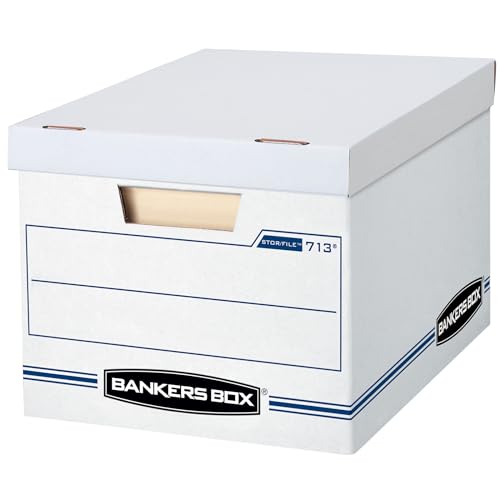


Select a reliable carrier experienced with handling delicate items. Research options and ask for recommendations from peers. Ensure the carrier provides tracking services to monitor the progress of your delivery. Remember to include clear labeling on all sides of the package, indicating “Fragile” or “Handle with Care” for the safety of your belongings.
Consider insuring your packages to cover potential losses or damages that could occur during transit. This is an investment in peace of mind, especially for valuable or sentimental pieces. Always keep records of your packaging and shipping process to address any issues that may arise.
Packing Best Practices
I use high-quality bubble wrap to ensure adequate protection for every item. I wrap each piece individually, securing the bubble wrap with tape to avoid any movement. This layer acts as a cushion against impacts and scratches.
Corners and edges are especially vulnerable, so I apply extra padding there. I also use foam corner protectors or additional layers of bubble wrap specifically around these areas.
Choosing the Right Box
The selection of moving boxes plays a critical role. I prefer double-walled boxes for heavier or more delicate pieces. The extra strength provides confidence against crushing or bending during transit.
I ensure the box is slightly bigger than the item to allow for additional padding. When the item is placed inside, I fill the remaining space with packing peanuts or crumpled paper to eliminate any movement within the box.
Labeling and Documentation
Each package is clearly labeled as “Fragile” and marked with directional arrows to indicate the proper positioning. I also take photos of the finished pieces prior to en route to reference any potential damages during transportation.
It’s prudent to create a detailed inventory list, noting each item and its condition, which helps in any claim processes with carriers if necessary.
Choosing the Right Packaging Materials
Use sturdy, double-walled cardboard boxes for maximum protection. Measure the item accurately to ensure a snug fit, minimizing movement during transit.
Protective Layers
Incorporate bubble wrap or foam sheets around the piece to absorb shocks. Secure the wrapping with packing tape to prevent slipping. For added safety, consider placing corner protectors to shield edges from impacts.
Filler Materials
Fill any empty spaces in the box with packing peanuts or crumpled paper. This helps stabilize the item and prevents it from shifting. Use a layer of cardboard or a solid piece of wood as a base for added support.
Preparing Furniture for Shipping
First, I clean each piece thoroughly, removing dust and debris that could cause scratches during transit. Using a soft cloth and a mild cleaner ensures surfaces remain pristine.
Next, I detach any removable components, such as drawers or legs. This minimizes the risk of damage and simplifies handling. I pack these parts separately, wrapping them in bubble wrap or thick padding.
For the main structure, I apply corner protectors to safeguard vulnerable edges. I secure all moving parts with tape to prevent unwanted shifts that could lead to wear or breakage.
I always label packages clearly, specifying “Fragile” to highlight the care required. Using a marker, I indicate the direction the item should face to avoid mishandling.
I also take photographs of each piece before packing. This documentation serves as proof of condition prior to transit and can be useful for claims if necessary.
Lastly, I create a detailed inventory list of all items being transported, ensuring nothing is overlooked during the unpacking process. This thorough approach helps guarantee a smooth experience for both sender and recipient.
Measuring Dimensions for Shipping Quotes
To obtain accurate shipping estimates, I measure all dimensions of the item meticulously. This includes length, width, and height. I ensure to use a tape measure for precision. When measuring, I take into account any protruding parts such as handles or legs, which can alter the total size.
For irregularly shaped pieces, I measure the widest points to capture the full dimensions. I note down these measurements in both inches and centimeters to facilitate ease with various shipping services.
Weighing the Item
After taking measurements, I weigh the item using a reliable scale. The weight significantly influences the cost, so accuracy here is key. I consider whether I will disassemble any parts for shipping, as this can impact both weight and dimensions.
Calculating Dimensional Weight
I calculate dimensional weight by multiplying the length, width, and height, then dividing by a specific factor (usually 166 for domestic shipping in inches). Comparing actual weight and dimensional weight helps in selecting the most cost-effective shipping option. Having both figures ready ensures I am well-informed when reaching out for quotes.
Selecting a Reliable Shipping Carrier
Choose carriers with proven experience in transporting delicate items. Look for those with strong customer reviews and specific expertise in handling vintage or custom pieces. Checking their claims process and insurance coverage is equally crucial to protect your investment.
Considerations for Carrier Selection
Evaluate factors such as delivery times, cost, and customer service responsiveness. Here’s a concise comparison of popular carriers:
| Carrier | Specialty | Delivery Speed | Insurance Options |
|---|---|---|---|
| FedEx | Fragile items | Overnight to several days | Up to $100 included, additional available |
| UPS | Heavy and bulky | 1-5 days | Up to $100 included, additional available |
| DHL | International | 1-4 days | Varies based on shipment value |
Final Steps in Selection
Request quotes from several services. Compare their offerings and read reviews on each carrier’s performance specifically regarding damaged items. Ensure they provide tracking options for peace of mind during transit.
Understanding Shipping Costs and Insurance Options
To accurately assess expenses related to transporting a revitalized piece, consider both the shipping rates and insurance provisions. First, I always research various carriers to compare their pricing. Rates typically depend on size, weight, distance, and speed of delivery. Utilizing freight calculators available on carrier websites can help provide immediate quotes.
Additionally, obtaining shipping insurance is non-negotiable. I recommend covering the full value of the item to safeguard against loss or damage during transit. Most carriers offer insurance at a nominal fee based on the item’s declared value. Check the terms, as some may have specific coverage limits or exceptions.
It’s beneficial to document the condition of the asset with photographs prior to shipment. These images can serve as evidence in the event a claim is necessary. I always keep receipts and any relevant paperwork ready, ensuring a smooth claims process if needed.
Furthermore, be aware of the potential for hidden fees like fuel surcharges, handling fees, or taxes depending on where your item is headed. Discuss these with the shipping representative for full transparency regarding total costs.
In summary, meticulous attention to detail in understanding shipping costs and opting for suitable insurance can significantly influence the success of transporting valuable items. Making informed decisions here is simply good practice.
Labeling and Documentation Requirements
Begin by clearly labeling your package. Include the recipient’s name, address, and contact number, ensuring legibility. It’s wise to use a waterproof marker or printed labels to avoid issues arising from moisture.
Required Documentation
Check with the carrier for necessary shipping documentation. Typically, this includes:
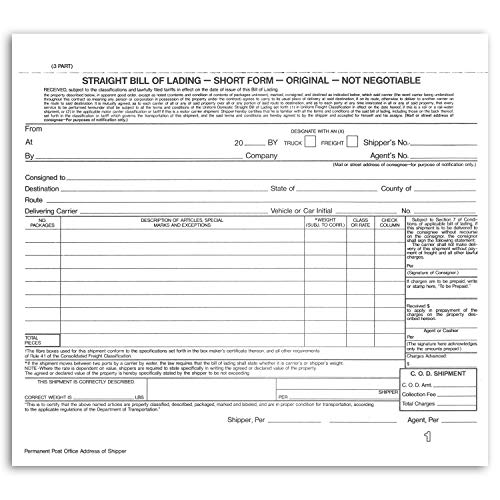
- Bill of Lading: A detailed receipt for the transported goods.
- Shipping Declaration: Outlines the nature of the shipment and any special handling requirements.
- Insurance Documents: If opting for coverage during transit, retain the policy information.
Barcode and Tracking Information
Utilize tracking capabilities to monitor the journey. Ensure that your tracking label is affixed securely and check that it corresponds with the shipment’s details. This assists in managing expectations and confirming delivery.
Retain copies of all documentation until confirmation of delivery. Such records are valuable for addressing any potential disputes that may arise.
Tracking Your Shipment Effectively
Set up tracking alerts through the carrier’s website. This allows you to receive notifications for each status update directly to your email or phone. It’s crucial to monitor the shipment’s progress closely to anticipate any potential delays.
Utilize the tracking number provided to access detailed shipping information. Most carriers offer a real-time map feature, showcasing the current location of your package, which aids in accurate timing for arrival.
Keep all communication channels open with the shipping company. If you notice any irregularities in the tracking information, reach out immediately for clarification. This proactive approach often leads to quicker resolutions.
Document the condition of the item upon dispatch and when it arrives at its destination. This photographic evidence can be vital if there are disputes regarding damage during transit.
Consider using third-party tracking applications that consolidate multiple shipments across different carriers. These tools can streamline your tracking process and provide a comprehensive overview of all deliveries in transit.
Engage with your customer throughout the process. Providing updates can enhance trust and ensure that they are excited about the arrival of their item.
Lastly, familiarize yourself with the claims process of the carrier. In case of loss or damage, knowing the steps to take can expedite your response and compensation.
Common Challenges in Shipping Furniture
Anticipate potential issues before sending your items. Securely packing larger pieces requires time and the right materials to protect them from damage. Avoid waiting until the last minute to achieve a reliable packing system.
Handling Size and Weight
Bulkier items may exceed standard weight limits, resulting in additional charges or restrictions. Measure dimensions accurately to determine suitable packaging solutions. Consider:
- Disassembling large components to reduce dimensions.
- Utilizing lift gates or other mechanisms for handling heavy loads.
Managing Fragility
Glass elements and intricate designs demand special attention. I recommend:
- Utilizing bubble wrap and foam inserts to cushion delicate areas.
- Labeling boxes clearly to indicate ‘Fragile’ handling requirements.
Ensuring effective communication with your carrier can help mitigate these challenges. Document any previous damage reports or specific handling instructions to enhance clarity. Be prepared for unexpected delays that may arise due to weather or logistics.
Tips for Ensuring Safe Arrival at Destination
Secure all movable parts before transit, using screws, bolts, or additional fasteners to prevent any shifting during movement. Properly disassemble items if needed, keeping small parts in labeled containers to avoid misplacement.
Use Protective Materials
Utilize bubble wrap, foam sheets, or cardboard corner protectors for safeguarding edges and surfaces. Each piece should be enveloped individually to minimize contact with other items and absorb shocks.
Load Wisely
When placing items in the vehicle or container, ensure heavier pieces are at the bottom with lighter ones stacked on top. Allocate adequate space and avoid overcrowding by filling gaps with packing materials to avoid movement.
| Tip | Action |
|---|---|
| Disassemble When Possible | Take apart large pieces to reduce bulk and risk of damage. |
| Protect Surfaces | Wrap each item in bubble wrap or blankets to cushion against shocks. |
| Strategic Loading | Stack heavy items first, filling gaps with soft materials for stability. |
| Label Every Box | Clearly mark boxes with “Fragile” to alert handlers of contents. |
Always consider purchasing additional coverage for high-value items, as unexpected incidents can occur. Confirm all arrangements with the carrier before dispatch to ensure everything is set for a smooth transit.
FAQ:
What are the best methods for packaging refinished furniture for shipping?
To package refinished furniture effectively, begin by cleaning the piece thoroughly to remove any dust or debris. Use bubble wrap or foam sheets to wrap the furniture, paying extra attention to corners and edges to prevent damage during transit. Secure the wrapping with tape. Depending on the size of the item, a sturdy cardboard box or a wooden crate may be necessary. For oversized items, consider disassembling parts if possible, and label each piece clearly to ensure easy reassembly upon arrival.
How can I ensure my refinished furniture arrives safely at its destination?
Ensuring the safe arrival of refinished furniture involves multiple steps. First, choose a reliable shipping company with experience in handling fragile items. It’s wise to purchase shipping insurance for valuable pieces to cover potential damages. Additionally, use appropriate cushioning materials within the packaging to minimize movement during transport. Make sure to clearly label the package as fragile to alert handlers. Lastly, track the shipment to stay informed about its status and confirm delivery.
What are the shipping costs I should expect for large furniture items?
Shipping costs for large furniture items can vary significantly based on several factors. These include the size and weight of the item, the distance to be traveled, and the shipping method chosen. On average, shipping costs may range from $100 to $500. It is advisable to obtain quotes from multiple shipping companies to compare prices. Additionally, if you’re shipping across state lines or internationally, expect to pay more due to customs and additional handling fees.
Are there specific shipping companies that specialize in furniture delivery?
Yes, there are several shipping companies that specialize in furniture delivery. Companies like uShip, Plycon, and Furniture Row offer services tailored for fragile and bulky items. These companies often provide white-glove services, which can include inside delivery and assembly. It’s recommended to read reviews and check ratings to determine which company best meets your needs and budget.
Should I offer assembly services for my customers after shipping refinished furniture?
Offering assembly services can enhance customer satisfaction, as many people appreciate the convenience of having their furniture set up for them. If feasible, consider including assembly as part of your service package or partnering with local assembly professionals. This can make your offering more attractive and differentiate you from competitors. However, make sure to clearly communicate any associated costs to your customers upfront.
What steps should I take to prepare refinished furniture for shipping?
Preparing refinished furniture for shipping involves several important steps to ensure it arrives safely at its destination. First, clean the furniture thoroughly to remove any dust and debris. Next, disassemble any parts that can be taken apart, like legs or shelves; this can help prevent damage during transport. After disassembly, wrap each piece individually using bubble wrap or moving blankets for protection. Secure any loose components with tape or packing material to avoid shifting during transit. Finally, choose a sturdy, appropriately-sized shipping box, and fill any empty space with packing peanuts or crumpled paper to minimize movement. Clearly label the box with handling instructions and the recipient’s address to avoid any mix-ups during delivery.


