
 Caleb Turner
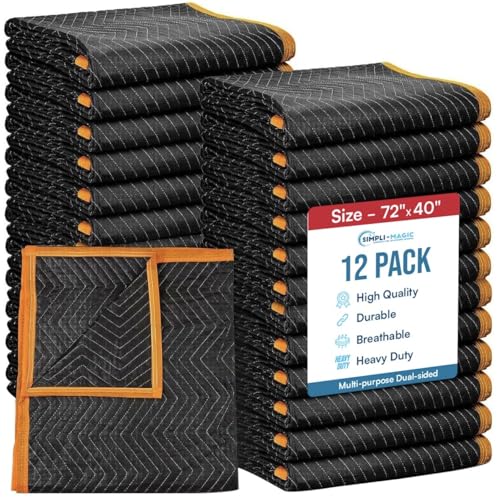
Choose a reliable courier service experienced in handling bulky products. Measure the dimensions and weight beforehand to provide accurate information and prevent unexpected charges. Use quality packing materials to ensure that every piece is secure during transit.
Connect with potential buyers and discuss shipping options early in the negotiation process. Setting clear expectations regarding delivery times and associated costs can streamline the transaction. Consider local options for pickup or delivery to save on expenses and simplify logistics.
Explore various tools and resources available for scheduling pickup and tracking shipments. Some platforms offer integrated solutions that can make the entire process smoother. Keep the lines of communication open with your customer, providing them with updates and tracking information to enhance their purchasing experience.
Shipping Your Items Successfully
For large items, I prefer using a freight service that specializes in moving bulky goods. Research and choose a reliable company with positive reviews and a solid track record. Don’t hesitate to ask for quotes from multiple providers to ensure you get a competitive rate.


Packaging Tips
Proper packaging is crucial. I use bubble wrap and furniture blankets to protect surfaces from scratches. For items with legs, I disassemble them whenever possible to save space and reduce the risk of damage. Secure everything tightly with packing tape and clearly label each box with fragile stickers.
Cost Considerations
When budgeting for transportation, factor in pickup and delivery costs, along with any additional fees for services like packing help or furniture assembly. It’s also wise to look into insurance options for added protection against potential damage during transit.
| Shipping Provider | Average Cost | Recommended For |
|---|---|---|
| UShip | $100 – $500 | Local carriers with competitive pricing |
| FreightCenter | $150 – $600 | Long-distance moves |
| Shiply | $75 – $400 | Multiple quotes from various shippers |
Selecting the Right Furniture for Shipping
Focus on items that are lightweight yet sturdy. Wood and metal pieces generally hold up well during transportation, while glass items require additional care.
- Dimensions: Measure every item meticulously. Commonly accepted sizes for shipping are crucial; items that can fit through standard doorways and in vehicles are ideal.
- Disassembly: Choose pieces that can be taken apart easily. This minimizes space and protects components from damage. Look for items with removable legs, shelves, or cushions.
- Condition: Ensure that the condition of items is good to avoid issues during transit. Scratches, dents, or loose joints can complicate the shipping process.
- Market Appeal: Select items that have high demand. Research trends to identify what buyers are currently seeking. Popular styles and designs tend to sell faster.
- Materials: Opt for durable materials. Items made from pressed wood or particle board may not withstand the rigors of shipping as well as solid wood or metal pieces.
Research local shipping options that specialize in transporting large items. Compare quotes and services to find the most reliable and cost-effective solution. Packaging is equally important; use bubble wrap, blankets, and sturdy boxes to ensure items arrive in perfect condition.
Lastly, consider the sale price to shipping cost ratio. High-value items can justify higher shipping expenses, while lower-priced items may need more economical solutions. Aim for a balance that maximizes profit while satisfying buyer expectations.
Measuring Your Goods for Transport
Begin with precise measurements of each piece. Use a tape measure to obtain height, width, and depth. Document these figures thoroughly to prevent guesswork during the logistics phase.
Considering Disassembly
If possible, break down larger items into manageable components. This approach not only reduces the dimensions but also simplifies the transporting process. Don’t forget to measure each part individually, as they may vary significantly.
Account for Additional Space
While obtaining measurements, include some allowance for packing materials. Bubble wrap, moving blankets, and protective corners add volume that could affect transport options. Keep in mind the dimensions of doorways, hallways, and corridors in both pick-up and drop-off locations to ensure smooth passage.
Utilizing a diagram to visualize the layout can facilitate the entire process. When fitting items into a vehicle, consider their orientation to maximize space efficiency and minimize potential damage during the journey.
Packing Materials Needed for Safe Transport
For optimal protection during the journey, I rely on sturdy moving blankets. These cushioned covers wrap around items, preventing scratches and dings. I always ensure they are secured with straps or tape to avoid slipping off during transit.
Bubble wrap is another favorite of mine. I wrap delicate components in multiple layers, ensuring they remain intact. For frames or glass surfaces, I use bubble wrap to absorb shocks, reducing the risk of cracks.
Corrugated cardboard serves as an effective barrier for flat-packed items. I cut pieces to fit around edges and surfaces, adding an extra layer of defense against impacts. I even save larger boxes from previous purchases for bulkier items.
For securing contents inside vehicles, I often use strong packing tape. I double-tape corners and sealed edges to reinforce all bundles, ensuring nothing shifts or separates. This is especially vital for fragile items.
Foam peanuts or crumpled paper also play a role in cushioning. I fill any gaps in boxes to prevent movement, ensuring a snug fit for any item being transported.
Shrink wrap is invaluable for binding multiple pieces together. This keeps them from moving independently and adds an additional protective layer against potential external damage.
With these materials, I can prepare items to withstand transport challenges, ensuring they arrive in pristine condition.
Finding Reliable Delivery Services
To ensure a smooth relocation process, I prioritize companies with strong reputations. I begin by checking online reviews on platforms like Yelp or Google. I also visit social media groups dedicated to buying and selling items, where I ask for recommendations from recent users.
Evaluating Companies
I compile a list of potential delivery services and request quotes. I look for transparency in pricing and any additional fees. I appreciate services that offer real-time tracking, as it provides peace of mind during transit.
Next, I verify credentials. I check if the company is insured and licensed, indicating a level of professionalism. A reliable business will have clear policies regarding damage and liability.
Communication and Support
I gauge responsiveness during the quote process. Effective communication is crucial, as it reflects how the company may handle any issues that arise. I prefer providers who are willing to discuss specifics about the transport and timeline.
Finally, I consider reviews that mention customer service experiences. Positive feedback about support teams can reassure me about timely assistance if needed.
By focusing on these aspects, I can identify trustworthy partners to manage heavy or delicate items as they transition to new homes.
Calculating Shipping Costs Accurately
To determine the shipping expenses effectively, I first measure both the dimensions and weight of the item. This data is crucial for accurate calculations, as shipping providers often base their rates on these parameters.
Next, I consider the distance between the pickup location and the delivery address. Many logistics companies have rate calculators on their websites, which allow me to input the dimensions, weight, and distance for an estimated cost. I always double-check these estimates to avoid unexpected charges.
I also keep in mind additional fees, such as fuel surcharges or delivery surcharges for certain locations. It’s wise to ask the courier about any potential extra costs upfront to incorporate these into my overall estimate.
Incorporating packaging costs is another key aspect. High-quality packing materials not only ensure the item’s safety but can also add to the overall expense. I itemize these materials when preparing my final shipping price.
Finally, I frequently compare multiple shipping options. Different companies may offer varying rates for similar services. By viewing multiple quotes, I can find the most budget-friendly solution for transporting my items.
Creating a Detailed Listing on Facebook Marketplace
Include high-quality images showing multiple angles and details. Clear visuals attract potential buyers. Make sure the lighting is good and the background is uncluttered. Use a variety of shots to highlight unique features, textures, and any imperfections.
Title and Description
Your title should be concise yet descriptive. Include brand names, material types, and dimensions. For the description, provide information about condition, any previous renovations, and how the item fits into different styles or spaces. Address potential questions buyers might have.
Item Details Table
| Detail | Description |
|---|---|
| Dimensions | [Insert dimensions here] |
| Material | [Insert material here] |
| Condition | [New/Used/Refurbished] |
| Brand | [Insert brand here] |
| Price | [Insert price here] |
Use correct grammar and spelling in both the title and description. A well-written listing reflects professionalism and increases trust. Include tags relevant to your offering to improve visibility in searches.
Be transparent about any flaws. Addressing scratches or minor damages in the listing can diminish the risk of disputes later. Finally, be responsive to inquiries; fast replies can close a sale more effectively.
Communicating Shipping Options to Buyers
Clearly outline available delivery methods in your ad. This transparency builds trust and informs potential customers.
- List Shipping Methods: Specify if you offer local pickups, third-party carriers, or your own delivery service.
- Explain Costs: Break down the pricing for each option, including potential fees for furniture handling or delivery distance.
- Timeframes: Provide estimated delivery times for each shipping method. This helps buyers plan accordingly.
- Tracking Information: If using a carrier, assure buyers that tracking details will be shared for reference.
Incorporate visuals in your listing that showcase delivery processes or previous successful transactions. This adds credibility and reassures clients about the care taken in transportation.
Engage promptly with inquiries related to shipping. Quick responses show commitment and can mitigate concerns over logistics.
Prepare FAQs concerning shipping because buyers often have common questions. This can streamline communication and provide clarity on details.
- What is the return policy if damage occurs during transit?
- Can I arrange a specific delivery date and time?
Encourage open dialogue. Create an atmosphere where buyers feel comfortable discussing their specific shipping needs or concerns.
Tracking Shipments and Keeping Buyers Informed
To ensure a smooth experience for buyers, I consistently track all deliveries and maintain clear communication throughout the process. Here’s how I do it:
1. Use Tracking Codes: Once the item is picked up, I obtain a tracking number from the carrier. I immediately share this with the buyer, allowing them to follow the shipment in real-time.
2. Regular Updates: I message buyers at each key stage of the delivery. For instance, if an item has been dispatched or is out for delivery, I notify them promptly. This promotes transparency and reduces anxiety.
3. Delivery Window Information: I provide details about the expected delivery date and any potential delays. If the carrier suggests a time frame, I relay that information to set realistic expectations.
4. Responsive Communication: I keep my phone or messaging app handy for inquiries. If a buyer has questions or concerns, I reply swiftly to show I’m engaged and attentive.
5. Post-Delivery Follow-Up: After the item arrives, I check in with the buyer to confirm satisfaction and address any issues. This step is crucial for maintaining good relationships and securing future transactions.
6. Feedback Request: I encourage buyers to leave feedback once they receive their item. Positive reviews enhance my credibility and increase the likelihood of more sales.
By prioritizing communication and tracking, I create a trustworthy atmosphere that benefits both me and my buyers.
Handling Returns and Damage Claims
Ensure a clear return policy is established before listing any item. Provide specific guidelines on conditions for returns, such as time limits and acceptable item states. This clarity will build trust with potential buyers.
Documenting Condition
Always take detailed photos from various angles before packing. This documentation serves as evidence in case of disputes regarding condition upon arrival. Encourage buyers to do the same once they receive the item.
Resolving Issues Effectively
When a damage claim arises, act promptly. Request photographs of the damage, allowing for an accurate assessment. Offer solutions, such as partial refunds or replacements, depending on your return policy. Maintain open communication throughout the process to ensure buyer satisfaction.
FAQ:
What are the best packing materials for shipping furniture sold on Facebook Marketplace?
When shipping furniture, it’s important to use sturdy packing materials to protect the items during transit. Bubble wrap is great for wrapping delicate surfaces, while thick cardboard boxes or wooden crates can provide structure. Using furniture blankets can prevent scratches and dents. Tape and stretch wrap are also essential for securing everything in place. Additionally, make sure to fill any empty spaces in boxes with packing peanuts or crumpled paper to prevent movement. It’s best to choose materials that can withstand the weight and bulk of the furniture you’re shipping.
How should I calculate the shipping cost for furniture items listed on Facebook Marketplace?
Calculating shipping costs for furniture involves several factors. First, measure the dimensions and weight of the item, as shipping costs typically depend on these metrics. Next, research shipping carriers like UPS, FedEx, or freight companies to get price quotes. Don’t forget to include packaging costs in your calculation. If you’re offering free shipping, factor those costs into the sale price to ensure you still make a profit. You might want to create a simple formula: total weight + dimensions = total shipping cost. Also, consider using online shipping calculators provided by carriers for accurate estimates.
What are some reliable shipping options for large furniture items?
For large furniture items, there are a few reliable shipping options to consider. One popular choice is freight shipping, which is specifically designed for oversized items. Companies like UShip or Shiply can help you find carriers who specialize in furniture transport. Another option is to hire a moving company that offers delivery services for purchased furniture. If you’re local, using services like TaskRabbit or Craigslist for local movers could be efficient. Be sure to check reviews and ratings of any service you consider, and confirm that they have experience in shipping furniture.
How do I ensure my furniture is safe during transportation?
To ensure your furniture is safe during transportation, start by disassembling any removable parts, like legs or shelves, if possible. Use high-quality packing materials to wrap everything securely. Label your boxes clearly, indicating fragile items. If you’re using a moving truck or freight service, ensure that the items are loaded in a way that prevents them from shifting during transit. It’s also a good idea to take photographs of the furniture before shipping, in case any damage occurs, which can help with claims. Proper planning and secure packing will help keep your items safe.
What should I communicate with the buyer regarding shipping furniture?
Clear communication with the buyer is crucial when shipping furniture. Start by discussing shipping methods and costs, and make sure the buyer is aware of estimated delivery times. Share tracking information as soon as it becomes available. If there are any delays or issues, inform the buyer promptly. It’s also a good idea to set expectations about how the furniture will be packed and how it should be handled during delivery. Lastly, discuss return policies and what to do if the item arrives damaged or not as expected to ensure a smooth transaction.
What are the best practices for shipping large furniture sold on Facebook Marketplace?
When shipping large furniture items through Facebook Marketplace, there are several best practices to follow. First, ensure that your furniture is properly disassembled if possible. This will make it easier to transport and can save you on shipping costs. Next, use high-quality packing materials such as bubble wrap, blankets, and sturdy boxes to protect the furniture during transit. If you’re arranging delivery through a service, be sure to communicate the dimensions and weight of the items to the shipping provider in advance. It’s also a good idea to take clear photos of the furniture before shipping, in case there are any disputes later about its condition. Finally, set a clear timeline for delivery and maintain open communication with the buyer to ensure a smooth transaction.


