
 Caleb Turner
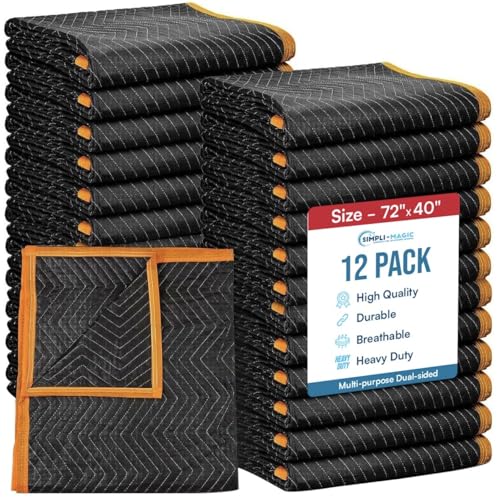
Prioritize detailed planning and preparation to ensure a smooth transition for your items. Begin by measuring the dimensions of your possessions and the spaces they need to fit into in your new location. This helps you decide whether to disassemble larger pieces for transport or to utilize protective padding and wrap for those that remain intact.
Next, research various transport options available to you. Depending on your budget, you can consider professional movers, rental trucks, or freight shipping services. Each method has its benefits and drawbacks, so it’s crucial to gather quotes and evaluate service reviews to make an informed choice.
Don’t overlook the importance of proper packing and labeling. Use sturdy boxes and high-quality packing materials to safeguard against potential damage. Clearly labeling each item with its destination will streamline the unloading process and minimize confusion once you arrive.
Lastly, keep in mind any regulations or restrictions applicable to the relocation of items, especially if they’re particularly large or valuable. Some states have specific laws regarding the transport of certain goods, so checking in advance can save you time and hassle later on.
Tips for Transferring Large Items Between Regions
Begin by taking precise measurements of your bulky items, including height, width, and depth. This ensures compatibility with various transportation options and prevents inconvenience upon arrival.


Selecting the Right Carrier
Research specialized companies that focus on moving large possessions. Look for those with positive reviews and a proven track record. Request quotes from multiple providers to compare fees and services, ensuring you understand the insurance offered for potential damage during transit.
Packing Techniques
Wrap items thoroughly with moving blankets or bubble wrap to protect surfaces from scratches and dents. Disassemble larger pieces, if possible, to facilitate easier handling and reduce the risk of damage. Clearly label each box and component to streamline reassembly upon arrival.
Consider scheduling the transport during off-peak seasons to avoid additional costs and delays. Ensure that all paperwork and permits are ready, particularly if crossing state lines entails specific regulations.
Keep a checklist to monitor each phase, from preparation to delivery. Remaining organized mitigates stress and enhances the likelihood of a smooth transition.
Choosing the Right Shipping Method for Your Furniture
Opt for a professional moving service for large items requiring specialized handling. These companies have the expertise and equipment to securely transport valuable pieces, minimizing the risk of damage.
Use freight shipping for bulk items or multiple pieces. This option is often more economical for larger quantities and provides flexible delivery schedules. Just make sure to inspect the freight transport provider’s reputation before making a decision.
Consider a rental truck if you’re transporting small quantities or a few hefty items. This method gives me direct control over the loading and transport process, which can minimize worries about damage or mishandling.
For local transfers or short distances, a local courier can save time and expense. Many offer same-day delivery services, which is beneficial if timing is crucial.
Evaluate wrap and packing requirements based on the distances involved and the item’s fragility. Using quality packing materials and methods can prevent breakage during transit, regardless of the transportation option chosen.
Make use of online shipping calculators to compare the costs of various providers. Understanding the total expenses, including insurance options, helps me stay within budget and provides peace of mind.
Lastly, request quotes from multiple sources. This approach ensures I make an informed decision that aligns with my budget and urgency. Comparing different services aids in selecting the most suitable option tailored to my needs.
Packing Tips for Safe Transport of Your Belongings
I recommend starting with quality packing materials. Using bubble wrap, cardboard boxes, and furniture pads can significantly reduce the risk of damage.
Materials to Consider
- Bubble wrap for delicate items
- Moving blankets to protect larger pieces
- Cardboard corner protectors for added defense on edges
- Stretch wrap for securing items together
Disassemble large pieces whenever possible. This not only saves space but also decreases the chances of scratches and breaks. Make sure to keep screws and small parts in labeled bags.
Techniques for Packing
- Wrap each item individually before placing it into a box.
- Fill gaps in boxes with packing peanuts or crumpled paper to prevent shifting.
- Label all boxes with contents and designated room for easy unpacking.
- Utilize a mix of horizontal and vertical stacking in the truck for stability.
Don’t forget about weight distribution. Place heavier boxes on the bottom and lighter ones on top to maintain balance during transport.
Lastly, take photos of your items before packing. This documentation will help in case of any disputes or damage claims later on.
Calculating Shipping Costs Based on Distance and Dimensions
To determine the expense of transporting items, first, assess the distance from the origin to the destination. Shipping providers often use a mileage-based pricing structure, so start by obtaining the exact miles between these two points. Online mapping tools can assist with this calculation.
Next, measure the dimensions of the pieces. Length, width, and height are critical, as they influence the overall volume of the shipment. Many carriers apply a dimensional weight formula, which converts volume into a weight equivalent. To calculate this, multiply the dimensions (in inches) and then divide the total by a dimensional factor–typically either 166 or 139, depending on the carrier’s guidelines.
Additionally, consider the weight of each item. Heavier loads can raise costs significantly. If possible, weigh the items using a reliable scale, as actual weight surpasses dimensional weight when determining shipping expenses.
Accurate packaging choices can also impact costs. Use appropriate materials to ensure safety during transportation, but remember, bulkier packaging may increase the overall volume, thus affecting pricing.
Lastly, inquire about any additional fees like fuel surcharges, liftgate service, or residential delivery costs that might apply. Compiling these elements will give a clearer picture of the total shipping expenses involved in your furniture transport.
Finding Reliable Moving Companies or Freight Services
To ensure a stress-free transfer of your belongings, I recommend thoroughly researching potential moving companies and freight services before making a selection. Start by gathering recommendations from friends or family who have experience with reputable providers.
Key Traits of Dependable Services
- Licensing and Insurance: Verify that the company holds the required licenses and insurance. This protects you in case of damage or loss.
- Customer Reviews: Check online reviews on platforms such as Yelp or Google. Look for consistent feedback regarding timeliness and the condition of items after transport.
- Transparent Pricing: Ensure that the company provides a detailed estimate upfront, including all potential fees. Avoid those that offer unclear pricing structures.
- Experience: Firms with extensive experience in transporting items similar to yours are more likely to handle your items with care.
Questions to Ask Potential Providers
- What experience do you have with long-distance transportation?
- Can you provide references from previous clients?
- How do you handle delays or unexpected issues during transit?
- What measures do you take to protect items from damage?
Engaging with multiple companies helps compare services and pricing. Establishing clear communication regarding expectations ensures smoother interactions and a satisfactory experience. Don’t hesitate to ask for a detailed breakdown of the process, including pickup and delivery timelines.
Understanding Insurance Options for Your Shipment
Before arranging your move, I recommend examining the various insurance choices available for your items. It’s crucial to protect your belongings from potential damage during transport. Most carriers provide basic liability coverage, which typically only offers minimal compensation based on the weight of the item. This might not suffice for valuable pieces.
Consider purchasing additional coverage tailored to your needs. There are two primary types: declared value and actual cash value. Declared value coverage allows you to declare the worth of your items, while actual cash value factors in depreciation. For high-value items, declared value is often the better option, as it ensures you receive the full value in case of loss or damage.
Review your home insurance policy as well; some homeowners’ plans may cover relocation of belongings. Contact your insurer to clarify the specifics of your coverage during transit.
When selecting a moving company, inquire about their insurance policies. Ensure you understand the options they offer, including any limits and exclusions. This will help you make an informed decision and ensure adequate protection for your possessions.
Scheduling Pickup and Delivery Times
Coordinate with service providers to secure convenient time slots for both pickup and delivery. Consider placing the request at least a week in advance, especially during peak moving seasons.
To streamline the process, communicate specific time windows that work for you. This clarity helps in accommodating your schedule while also considering the availability of the moving team.
When setting times, factor in potential delays, such as traffic or inclement weather. Providing flexible options to the movers can facilitate smoother operations. For example, suggest two or three different time frames across several days to maximize the likelihood of meeting your needs.
Confirm with service providers 24 to 48 hours prior to the scheduled date to ensure both parties are aligned. It’s also prudent to verify that they have the correct address and any special instructions needed for the pickup or delivery.
Establish a direct line of communication with the moving team or dispatcher, so both parties can promptly address any unforeseen issues that may arise on the day of the move.
| Day | Recommended Time Slots |
|---|---|
| Monday | 10 AM – 12 PM, 2 PM – 4 PM |
| Wednesday | 9 AM – 11 AM, 1 PM – 3 PM |
| Friday | 11 AM – 1 PM, 3 PM – 5 PM |
Keep in mind that weekends may be busier, so if flexibility allows, consider mid-week scheduling to avoid peaks in demand.
Navigating State Regulations and Transportation Restrictions
I recommend researching the specific laws and regulations of each location involved in the transfer. Each region can have different rules regarding the transport of goods, including restrictions on certain materials or items. For instance, some areas have stringent regulations concerning the transportation of items made from endangered woods or materials contaminated by insects.
License Requirements
Check if a transport license is required for interstate moves. Many regions mandate that transport companies possess specific permits, especially for large or commercial transfers. Knowing these requirements in advance avoids delays during the transport process.
Weight and Size Restrictions
Be aware of any restrictions on weight and size imposed by different states. Some highways could have limitations that might impact the transport of your belongings. Additionally, certain bridge tolls could vary based on the height or weight of the vehicle, which might influence costs. Ensure the chosen moving service is compliant with local transportation laws to guarantee a hassle-free experience.
Also, consider whether there are seasonal restrictions or road closures that could affect the timeline. Staying informed about potential delays can assist in scheduling the best pickup and delivery times.


