
 Caleb Turner

Showcasing craftsmanship through marketplaces like Etsy or local artisan fairs can prove invaluable. Each platform has its unique audience, allowing distinct styles to shine. Focus on high-quality photographs that capture the essence of each piece, illustrating details and textures that might go unnoticed.
Networking plays a significant role in promoting unique pieces. Collaborate with interior designers or home staging professionals who seek distinctive items for their projects. Attend trade shows or local exhibitions to meet potential clients and showcase creations firsthand, creating memorable connections that can lead to sales.
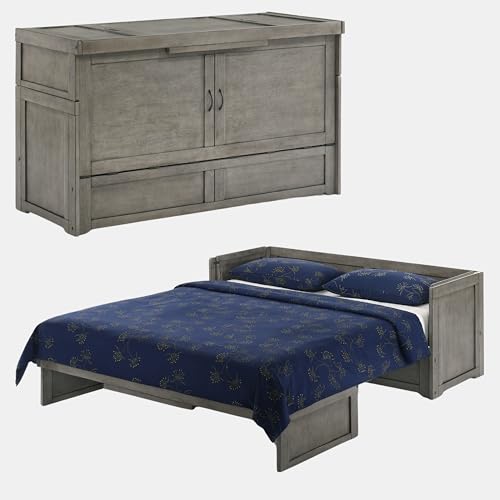


Utilizing social media effectively can create a substantial following. Platforms like Instagram and Pinterest are perfect for visual storytelling, where you can share behind-the-scenes processes and finished goods. Engaging with followers through polls or Q&A sessions humanizes the brand and builds rapport.
Consider setting up an online store, whether through an established ecommerce platform or your own website. Ensure that the purchasing process is straightforward and user-friendly. Clear descriptions and easy navigation can significantly enhance customer experience, encouraging conversions.
Engagement doesn’t stop after a sale; following up with clients for feedback or offering care tips for their new acquisitions can lead to referrals and repeat business. Building a community around my work not only drives sales but also creates brand loyalty that lasts.
Market Your Creations
Utilize social media platforms like Instagram and Pinterest to showcase high-quality images of my pieces. Engaging storytelling alongside visuals can draw potential customers in. Utilize relevant hashtags to reach broader audiences.
Consider creating a personal website with an online storefront. Make it user-friendly, emphasizing imagery and descriptions. SEO optimization will enhance visibility through search engines. Regularly update content to keep visitors engaged.
Networking plays a vital role. Attend local craft fairs, exhibitions, or design showcases to connect with enthusiasts and other creators. Offering workshops or talks about my process can establish credibility and attract interest.
Collaborating with local businesses, such as interior designers or home decor shops, opens new sales channels. Consistent open communication fosters beneficial partnerships, enhancing reach.
Leverage email marketing by building a newsletter subscriber list. Share insights into design processes, special promotions, or upcoming events. This creates a direct line to engaged customers and nurtures ongoing relationships.
Consider artistic collaborations with local influencers or bloggers. Their established audiences can introduce my creations to new potential buyers.
Utilize e-commerce platforms like Etsy or Amazon Handmade. Tailor product listings to target specific demographics, using data to refine marketing efforts for sales spikes during particular seasons.
Gather and display customer testimonials on all marketing platforms. Positive feedback builds trust and encourages new shoppers to purchase.
Regularly analyze market trends. Adapt offerings based on popular styles or customer demands to ensure my work remains relevant and appealing.
Identifying Your Target Market
Begin with thorough research to pinpoint demographics likely to appreciate my creations. Focus on age, income, lifestyle, and living environment. Understand preferences and buying behaviors of potential clients to tailor offerings accordingly.
Utilize social media analytics to gauge interest in various styles. Platforms like Instagram or Pinterest allow me to observe which designs garner the most engagement. Leverage this data to refine my approach and ensure alignment with audience trends.
Attend local trade shows and design fairs to network with potential customers. Direct conversations provide insight into what individuals seek in home décor. Use feedback to adapt and innovate, ensuring my pieces resonate with buyer aspirations.
Consider niche markets such as eco-friendly or custom-made furniture enthusiasts. These segments often prioritize sustainable materials or unique craftsmanship, positioning my products for higher demand among discerning patrons.
Create buyer personas based on my findings. Establish specific profiles representing ideal clients, including their preferences, budgets, and pain points. This clarity boosts efficiency in both marketing strategies and product development, enhancing appeal and relevance.
Monitor competitors to identify gaps in the market. Assess their offerings and customer feedback to uncover opportunities for differentiation. My unique approach or specific style can then attract a dedicated clientele seeking alternatives to mainstream products.
Building an Online Portfolio
Create a visually appealing and well-organized portfolio to showcase your creations. Use high-quality images to capture details, textures, and unique features of each piece. A professional presentation can significantly impact viewer perception.
Include detailed descriptions, highlighting materials used, dimensions, and the concept behind each item. This information helps potential customers understand the craftsmanship and thought that went into production.
- Utilize multiple platforms: Consider hosting your portfolio on personal websites, social media platforms, and design-oriented sites like Behance or Pinterest. Each platform serves a different audience.
- Update regularly: Keep the portfolio fresh with new works and updates on existing pieces. Schedule reviews to ensure content remains relevant.
- Showcase the process: Including behind-the-scenes content, such as sketches or prototypes, can engage viewers and communicate your creative journey.
- Gather testimonials: Collect feedback from previous clients to build trust and credibility. Display these endorsements prominently.
Incorporate a Blog section in your site. Share articles about design trends, materials, and insights into your creative philosophy. This establishes you as an authority and helps with search engine optimization.
Optimize for mobile viewing. Ensure your portfolio appears well on smartphones and tablets, as many users browse on these devices.
Track engagement metrics through analytics tools. Understanding which works attract more attention enables informed decisions about future creations.
Lastly, network. Connect with other artisans, designers, and potential buyers through online forums and social media groups to expand your reach.
Utilizing Social Media for Promotion
Leverage platforms like Instagram and Pinterest to showcase your creations visually. High-quality images are non-negotiable; they should highlight details and craftsmanship. Consider using natural light and minimal backgrounds to ensure the pieces stand out.
Engagement is Key
Connect with followers through comments and direct messages. Encourage feedback and respond promptly to inquiries. Polls and questions in stories can gauge interest and preferences, enhancing interaction.
Collaborations and Influencers
Partner with influencers or bloggers in related niches. They can expand your reach to a targeted audience. Sending samples for reviews or sponsored posts may create organic buzz around your work.
Utilize hashtags strategically. Research trending tags relevant to home decor and craftsmanship. Creating a unique hashtag for your brand can help in building community and visibility.
Share behind-the-scenes content to humanize the brand. Documenting the creative process not only adds transparency but also captivates your audience. Live sessions can offer real-time engagement and foster a connection.
Strategies for Pricing Your Creations
Begin with a careful analysis of production costs. Calculate all expenses related to materials, labor, overhead, and any additional charges. This ensures that pricing covers costs while providing a profit margin.
Researching Market Rates
Explore competitor pricing to understand where my pieces fall within the market spectrum. Assess similar items in terms of quality and style. This will provide a point of reference and help in setting a competitive yet fair price.
Value-Based Pricing
Consider the perceived value of my creations to potential buyers. Factors such as uniqueness, craftsmanship, and design aesthetics can justify higher price points. Gathering feedback from customers can also aid in establishing the value they perceive, allowing for adjustments as necessary.
Choosing the Right Selling Platforms
Research specific online marketplaces tailored for handmade and custom creations. Websites like Etsy, Amazon Handmade, and Artfire cater to artisans, providing a targeted audience. Each platform has distinct user demographics; familiarizing with these can enhance visibility.
Evaluate Niche Specifics
Assess whether your pieces fit into a particular niche. Platforms focused on high-end or vintage items can attract different clientele compared to more general marketplaces. Consider listing on:
- Chairish – Ideal for upscale furnishings.
- 1stdibs – Great for antique and luxury items.
- Facebook Marketplace – Offers a local selling option for quick sales.
Leverage Your Own Website
Establishing a personal site allows control over branding and customer experience. Use e-commerce tools like Shopify or WooCommerce to simplify transactions. Incorporate high-quality photos, detailed descriptions, and customer testimonials to build credibility.
Monitor traffic and sales data regularly. Utilize SEO strategies to enhance search rankings, ensuring potential buyers discover your offerings easily. Engaging with visitors through a blog about design trends or furnishing tips can help funnel traffic and build a community around your creations.
Networking with Industry Professionals
I actively seek connections with individuals in businesses related to my creations. Attending trade shows, furniture expos, and local artisan markets has proven invaluable for establishing relationships that can lead to collaborative opportunities or mentorship. Engaging in conversations can open doors to unexpected partnerships.
Joining specialized organizations or design clubs enhances my visibility within the community. I consistently participate in workshops and seminars to exchange ideas and gain insights from established experts. These gatherings serve as a platform to share knowledge and showcase my work, leading to potential referrals.
Utilizing platforms such as LinkedIn allows me to connect with industry professionals and engage in relevant groups. I share content that highlights my expertise and insights, demonstrating my passion and commitment to the field. This approach often attracts attention from individuals looking for innovative collaborators.
Maintaining a digital presence is a key element. I create a professional profile, highlighting my skills, past projects, and aspirations. Regularly updating my portfolio with high-quality images and detailed descriptions keeps my work active in the minds of those who visit my profile.
Building relationships with local retailers is also strategic. I find it beneficial to approach store owners or managers, presenting my products along with a compelling proposition. Having samples or prototypes available during these discussions helps showcase the quality and uniqueness of what I offer.
| Networking Strategy | Benefits |
|---|---|
| Attend Trade Shows | Meet potential partners and gather industry insights |
| Join Design Organizations | Connect with peers and participate in events |
| Leverage LinkedIn | Expand professional network and showcase expertise |
| Collaborate with Local Retailers | Increase visibility and access to a larger audience |
Presenting Your Creations at Trade Shows
Choose the right events where your work aligns with the audience. Focus on shows that attract buyers and influencers in home decor or architecture fields.
Ensure your booth stands out. Use appealing visuals, a cohesive theme, and effective signage to communicate your brand message clearly.
- Display Quality: Showcase your pieces prominently. Use appropriate lighting to enhance the aesthetic appeal.
- Interactive Elements: Encourage visitors to engage with the items. Allow them to touch and experience the craftsmanship firsthand.
Prepare compelling printed materials. Brochures, business cards, and pricing lists should be readily available for interested attendees.
- Prepare an elevator pitch that conveys the uniqueness of your work.
- Have a clear call to action. Is it visiting your website, following on social media, or placing an order?
Network proactively. Build relationships with fellow exhibitors and attendees. Exchange details and foster connections that could lead to future collaborations.
- Follow-Up: After the event, reach out to contacts you made. A simple thank-you email can keep the conversation going.
- Gather Feedback: Use the opportunity to understand what resonates with potential clients.
Consider offering exclusives or special discounts for trade show attendees. This creates a sense of urgency and encourages immediate interest.
Gathering Customer Feedback and Testimonials
To enhance the appeal of my creations, I actively seek out feedback from customers. This can be done through surveys post-purchase or direct communication via email. I ask specific questions about their experience, quality of the piece, and satisfaction levels. Utilizing platforms like Google Forms can streamline this process.
I create a user-friendly layout for my survey, focusing on key aspects such as:
| Feedback Aspect | Suggested Question |
|---|---|
| Quality | How would you rate the craftsmanship of your item? |
| Design | Does the appearance match your expectations? |
| Functionality | Is the item meeting your needs as intended? |
| Experience | How was your shopping experience? |
Encouraging customers to leave testimonials can build trust. I provide a simple method for them to share their thoughts on my website or social media platforms. Displaying these endorsements prominently can significantly boost credibility.
Highlighting feedback received from satisfied clients can take various forms, including:
- Dedicated testimonials section on my website.
- Social media posts featuring customer images with their statements.
- Email newsletters showcasing positive experiences.
Offering incentives, such as discounts on future purchases for providing feedback, can further motivate clients to share their experiences. Consistently integrating this input helps refine my products and strengthens customer relationships, leading to repeat business and referrals.


