
 Caleb Turner

Setting a competitive price for your pre-loved home pieces is essential. Conduct a market analysis to gauge similar items’ prices in your area. Websites and local listings provide excellent references. Ensure that your figures reflect the item’s condition, age, and brand value, as well as demand trends.
High-quality photographs make a significant difference in attracting potential buyers. Natural lighting helps highlight the item’s features and condition. Capture multiple angles and consider staging them in an appealing environment to showcase their potential within a home setting.
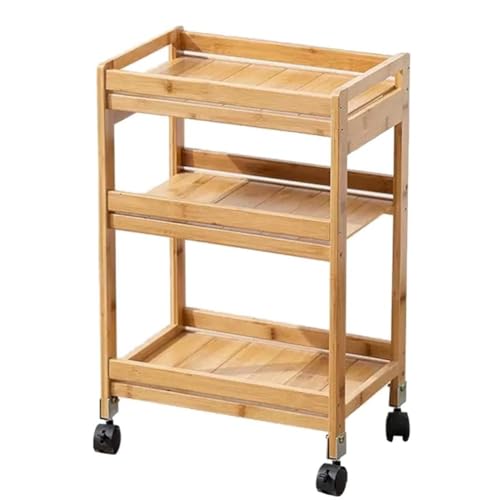


Crafting engaging descriptions is equally important. Detail each piece’s history, dimensions, materials, and any unique characteristics. Transparency about wear and tear builds trust and can persuade buyers. Highlight how a particular item can transform a buyer’s space, emphasizing its charm and functionality.
Utilizing various platforms increases visibility. Local marketplaces, social media groups, and dedicated apps for second-hand goods offer diverse audiences. Each platform may attract different demographics, so tailor your approach to appeal to each audience’s preferences.
Optimize Your Listing
Photos should showcase the item’s best features. Use natural lighting and capture multiple angles. Highlight any unique details and avoid cluttered backgrounds. A well-staged image increases interest significantly.
Craft a detailed description. Include dimensions, material types, and any signs of wear. Communicate both the item’s condition and its potential uses, appealing to various styles and functionality.
Engage with Potential Buyers
Promptly respond to inquiries. Be transparent about any defects and share additional information if requested. This builds trust and can lead to a smoother transaction.
Consider using social media platforms or local marketplace apps. Tailor your posts to engage the audience, utilizing relevant hashtags to enhance visibility. Always ensure you follow local regulations regarding listings.
Set a Fair Price
Research similar items to determine a competitive price. Take into account the item’s age and condition. You can start slightly higher, allowing for negotiation, which is common in personal sales.
Offer delivery options if feasible. Many potential buyers appreciate convenience and may be willing to pay extra for delivery services, making your listing more attractive.
Assessing the Condition and Value of Your Furniture
Begin by examining each piece closely for signs of wear and tear. Look for scratches, dents, or any structural issues that may affect its integrity. Pay attention to upholstery stains or damage, as this can significantly influence attractiveness and market value.
Check for manufacturer labels or brand marks, as well-known makers often hold higher resale value. Research similar items online to gauge your prices. Websites like Craigslist or Facebook Marketplace can provide insight into regional pricing trends.
Consider age and style. Antique or vintage styles can be more appealing, while modern pieces may attract different buyers. Evaluate the functionality–does it still serve its intended purpose effectively? Items with multi-functionality often catch the eye.
Assess materials used in construction. Solid wood typically retains value better than particle board or MDF. Quality materials contribute to both appearance and durability.
Finally, keep in mind the local market demand. Factors like seasonal trends or economic conditions can affect what buyers are willing to pay. Gathering this information will allow me to set a reasonable price and improve the chances of a successful transaction.
Choosing the Right Platform for Selling
Target your audience by carefully selecting the most suitable marketplace. Consider platforms like Facebook Marketplace and Craigslist for local transactions, as these sites attract buyers looking for affordable solutions. For a more specialized audience, platforms like Chairish and AptDeco cater specifically to those seeking unique or higher-end items.
Evaluate Your Options
Assess each platform’s user base, commission fees, and ease of use. Facebook Marketplace and Craigslist often have no listing fees, which is beneficial for maximizing profits. On the other hand, niche sites may charge a higher commission but can attract buyers who are willing to pay a premium for distinctive pieces. Weigh the pros and cons based on the items you offer.
Luxury vs. Everyday Items
Differentiate where you list based on the type of merchandise. Luxury or designer pieces are best suited for upscale platforms, while everyday items may find quicker sales on more general sites. Diversifying your approach across multiple platforms can also increase visibility and reach.
Optimize your listings with high-quality images and detailed descriptions to enhance appeal and improve your chances of a sale, regardless of the platform. Engaging with potential buyers promptly can create trust and lead to successful transactions.
Creating Compelling and Accurate Listings
Include high-resolution images from multiple angles. Capture details like texture and craftsmanship. Natural lighting works best; avoid shadows or glare that obscure features.
Write concise and descriptive titles. Highlight brand, type, and condition. For example, instead of “Chair,” use “Antique Oak Rocking Chair – Excellent Condition.” This attracts the right audience quickly.
In the description, focus on dimensions, materials, and any unique details that enhance appeal. Address any blemishes or repairs honestly; transparency builds trust.
Utilize keywords that potential buyers might search for. Use terms like “mid-century modern” or “vintage” if applicable. This improves visibility in online listings.
Set a clear price rationale. Reference market value and comparable listings. If you have receipts or documentation, mention them to support your asking price.
Respond promptly to inquiries. Engaging with potential buyers demonstrates professionalism and increases the chances of a sale.
Always update your listings if items sell or change status. Keeping information current reflects positively on your integrity as a seller.
Taking High-Quality Photos to Attract Buyers
Capture your pieces in natural light. Position them near large windows or outdoors to showcase their features and avoid harsh shadows.
Use a tripod for stability. This ensures sharp images, especially in low-light settings, and allows for multiple angles without camera shake.
Highlight details. Zoom in on textures, craftsmanship, and any unique characteristics that set your item apart, allowing potential buyers to appreciate the quality.
Consider multiple angles. Include photos from various sides and perspectives to give a comprehensive view, helping buyers visualize how the item fits into their space.
Keep backgrounds simple and uncluttered. A neutral backdrop emphasizes your item without distractions, making it the focal point of each image.
Capture all flaws. Authenticity builds trust. Photograph any scratches or damages to set realistic expectations and avoid misunderstandings later.
Edit with care. Use editing tools to adjust brightness and contrast without altering the true color or appearance of your item, maintaining honesty in representation.
Incorporate lifestyle shots. Showcase items in a home setting, demonstrating their potential use and enhancing buyer imagination for practical application.
Prioritize high-resolution. Use a camera that captures detailed images, allowing potential buyers to zoom in and inspect even small aspects of the item.
Lastly, make your first photo count. Choose the most visually striking image as the lead photo, as it holds the power to grab attention instantly.
Setting Competitive Prices Based on Market Research
I researched the local market thoroughly before establishing my pricing strategy. Here are the key steps I followed to ensure my prices are competitive:
- Online Platforms: I explored various online marketplaces like Craigslist, Facebook Marketplace, and eBay. By checking listings for similar items, I gained insight into the average selling prices.
- Local Thrift Stores: Visiting local thrift shops provided additional context on pricing. I compared their rates with my pieces to see where I stood.
- Condition Assessment: I critically assessed the wear and tear on each item. Pricing should reflect the condition accurately, so I considered any dents, scratches, or upholstery issues.
- Brand Recognition: Items from recognizable brands often demand higher prices. I noted any brand elements that could affect pricing.
- Unique Features: Highlighting distinctive characteristics, such as handmade elements or historical significance, can warrant a higher price point.
Using Comparisons
I created a spreadsheet to track my findings, categorizing items by style, age, and condition. This allowed me to see trends in pricing. I considered high, average, and low price points, aiming to position my pieces slightly below average to spur interest.
Seasonal Factors
I also looked at seasonal trends–certain items might sell better during specific months. For instance, outdoor pieces might be priced higher in spring and summer.
Finally, I remained flexible, ready to adjust my prices based on feedback and interest levels. Setting competitive prices requires regular reassessment of the market landscape.
Negotiating with Potential Buyers Professionally
Prioritize clear communication from the outset to build rapport and trust with buyers. Listening actively to their concerns and needs creates a cooperative atmosphere. Here are specific strategies that can help in this process:
- Research Fair Prices: Know your item’s market value to confidently discuss pricing. Use data from similar listings to back up your price when negotiating.
- Be Transparent: Clearly disclose any imperfections or issues. Honesty prevents misunderstandings and cultivates a respectful dialogue.
- Establish Your Bottom Line: Determine the lowest price you’re willing to accept before engaging in negotiations. This anchor will prevent you from making rash decisions under pressure.
- Stay Calm and Professional: Approach discussions with a level head. If the buyer tries to push too hard on price, maintain your composure and stick to your prepared points.
- Highlight the Value: Explain the benefits and features of your item that justify its price. Discuss craftsmanship, material quality, or the unique aesthetics that set it apart.
- Use Visual Evidence: Reference the high-quality photos previously shared. This can bolster your position during negotiations, providing buyers with visual reasons to justify the price.
- Be Open to Offers: Encourage buyers to suggest their price. This interaction can reveal their budget and may lead to a compromise that satisfies both parties.
- Offer Bundling: If you possess multiple items, consider suggesting a package deal. It provides added value for the buyer and can increase your overall sales.
Closing the Deal
Able to identify when a buyer is ready to proceed is key. Watch for verbal cues indicating interest and commitment. If negotiations reach a stalemate, don’t hesitate to offer a slight reduction or throw in an accessory to close the sale.
Conclude discussions promptly and with a polite follow-up. This leaves the door open for any future transactions and ensures a positive experience for the buyer.
Ensuring Safe and Convenient Delivery Options
I offer various delivery methods to enhance convenience for buyers. Arrange scheduled pickups for items, ensuring both parties agree on a safe location. This can be a garage, driveway, or a local public space, minimizing risk.
For those opting for home delivery, I collaborate with trusted courier services that specialize in transporting larger items. It’s important to verify their insurance coverage and handling protocols to protect against damages during transit.
Consider providing detailed dimensions and weights of items to assist in planning the transportation. This helps in selecting the right vehicle and prevents any surprises during pickup or delivery.
Additionally, I suggest incorporating a small fee for delivery services to cover logistics costs. Transparency about these charges boosts buyer confidence and avoids misunderstandings.
Encourage buyers to request delivery tracking or updates, allowing them to feel involved in the process and reducing anxiety about the shipment.
| Delivery Option | Description | Pros | Cons |
|---|---|---|---|
| Pickup | Buyer collects the item directly. | Cost-effective, immediate. | Dependent on buyer’s transport availability. |
| Local Courier | Third-party service delivers items to the buyer. | Convenient for both parties, reduces hassle. | Costs can vary, relies on external service. |
| Shipping | Items sent via postal or delivery service. | Wide reach, suitable for distant buyers. | Longer delivery time, potential for damages. |
Packaging is another important aspect. Secure items with bubble wrap or blankets, ensuring they arrive in original condition. This detail can significantly improve the buyer’s experience and reflect positively on my reputation.
Communicating effectively throughout the delivery process reassures buyers. Keeping them informed about pickup times or shipment updates makes the experience smoother and promotes trust.


