
 Caleb Turner

Apply a high-quality marine varnish or outdoor-rated polyurethane to ensure protection against moisture and UV rays. This approach offers a robust barrier, preventing damage from the elements that could lead to warping or deterioration.
Prioritize surface preparation by sanding each piece thoroughly to promote adhesion. Clean the wood surfaces meticulously to remove dust and debris, ensuring a smooth application for an even finish. Using a tack cloth can be beneficial, as it captures fine particles that could compromise the final look.
Brush or spray on multiple thin coats, allowing adequate drying time between applications. This technique improves durability and resistance to harsh weather conditions. For optimal results, consider using a UV-resistant formula to maintain the color and appearance over time.

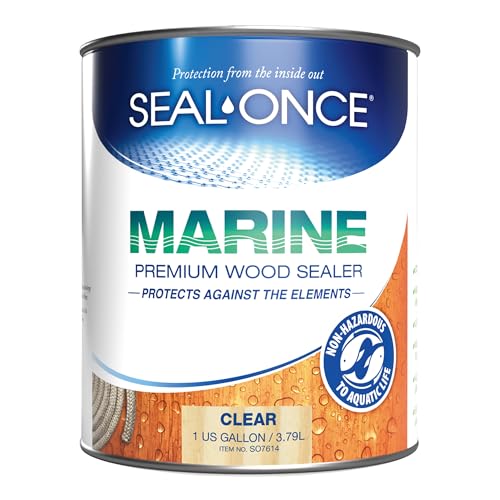

After the application process is complete, inspect the surfaces regularly and perform maintenance as needed. This will prolong the lifespan of your items placed in external areas, keeping them looking fresh and inviting for years to come.
How to Prepare Furniture for Outdoor Protection
Choose a weather-resistant coating that suits your piece; options include polyurethane, spar varnish, or marine-grade finishes. Prepare the surface meticulously by sanding with fine-grit paper to remove imperfections, ensuring better adhesion of the chosen product.
Application Steps
1. Clean the furniture with a solution of mild soap and water, followed by a thorough rinse and drying time.
2. Apply the selected coating using a high-quality brush, working in the direction of the grain to ensure even coverage.
3. Allow the first coat to cure as per manufacturer instructions, often 24 hours. Lightly sand with fine-grit paper before applying a second coat for optimal durability.
Maintenance Tips
Regular maintenance is key. Inspect your items seasonally for wear and reapply the protective layer as needed. Store pieces indoors during extreme weather to prolong their lifespan.
| Coating Type | Drying Time | Applications Required |
|---|---|---|
| Polyurethane | 2-4 hours | 2-3 |
| Spar Varnish | 6-8 hours | 3-4 |
| Marine Grade Finish | 4-6 hours | 2-3 |
Choosing the Right Sealant for Outdoor Wood
Consider a penetrating oil finish like tung or linseed oil for natural beauty and moisture protection. These products soak into the grain, enhancing the texture while offering decent water resistance. For a more robust layer, look into polyurethane or acrylic-based options, which provide superior durability against the elements.
Key Attributes to Evaluate
Assess these qualities to find the best solution:
| Attribute | Description |
|---|---|
| Water Resistance | Crucial for protecting against rain and humidity. |
| UV Protection | Prevents fading and deterioration from sunlight exposure. |
| Application Method | Some products require sanding, others can be applied directly. |
| Drying Time | Fast-drying formulas allow for quicker project completion. |
| Finish Type | Choose between matte, satin, or glossy based on desired appearance. |
Environmental Considerations
Opt for eco-friendly options that minimize harmful compounds. Look for low or no VOC (volatile organic compounds) formulations to ensure safety during application and limit air pollutants.
Preparing the Wood Surface Before Sealing
Ensure that the timber is clean and dry before applying any protective coating. Begin by removing any dirt, dust, or debris with a soft cloth or a brush. For stubborn stains, consider using a mild detergent mixed with water. Rinse thoroughly and allow the surface to dry completely.
Next, inspect the material for any imperfections. Sand down rough spots, splinters, or previous finishes using medium-grit sandpaper, followed by fine-grit for a smooth finish. This step is crucial to achieve a uniform surface that will accept the protective product efficiently.
After sanding, it’s important to remove all dust particles. Use a vacuum or a tack cloth to wipe away any residual dust. This ensures that the application adheres well without any obstructions.
If the item has been previously treated with chemicals or finishes, consider stripping these away completely. A wood stripper can help in this case, followed by thorough washing and drying of the surface.
Once clean, dry, and smooth, you may apply a wood conditioner if necessary. This can enhance adherence and improve the finish quality, especially on softwoods. Follow the manufacturer’s instructions regarding drying times and application methods.
These steps create an optimal foundation for any protective treatment, maximizing its longevity and effectiveness.
Steps for Applying Sealant to Wood Furniture
Ensure the environment is well-ventilated, preferably outdoors or in a spacious area. I prefer to select a calm day without strong winds or rain to avoid contamination from debris.
Begin with protective gear. I wear gloves and a mask to prevent skin contact and inhalation of fumes. This is crucial for my health and comfort during the process.
Use a high-quality brush or roller suitable for the specific coating chosen. I typically opt for a natural bristle brush for oil-based formulas and a synthetic brush for water-based variants. This choice greatly impacts application quality.
Carefully apply the product in the direction of the grain. I find it beneficial to start at one end and work my way to the other, ensuring even coverage. Overlapping strokes help to maintain a consistent finish.
After the initial application, inspect for drips or heavy spots; touch these up as necessary. It’s helpful to maintain a damp edge during application to avoid marks and enhance smoothness.
Allow the first coat to dry completely, as per the manufacturer’s instructions. This waiting period is essential to achieve a solid bond with the surface.
Once dry, lightly sand the surface with fine-grit sandpaper. I usually take care to remove any roughness, ensuring excellent adhesion of subsequent layers.
Apply a second coat following the same method as the first, ensuring full coverage. I like to assess the finish from various angles to confirm uniform application.
After completing the second layer, observe the drying times again. If desired, a third coat may be added for extra durability, repeating the sanding step if necessary.
Finally, allow the entire piece to cure fully before exposing it to the elements. This step is crucial for achieving long-lasting protection and maintaining aesthetics.
Tools and Materials Needed for Sealing
Gather the following items before beginning the preparation process:
Essential Tools
Sandpaper: Use varying grits (80, 120, 220) for surface smoothing. Start with a coarser grit to remove old finishes and then work up to finer grits for a smooth finish.
Brushes and Rollers: Select high-quality brushes or foam rollers to ensure even application. A natural bristle brush is ideal for oil-based products, while synthetic bristles suit water-based options.
Drop Cloths: Protect surrounding areas from drips and spills with durable drop cloths or tarps.
Paint Tray: Use a tray for easy access to sealants while applying them with rollers or brushes.
Materials Required
Sealant: Choose based on desired durability and finish. Options include oil-based, water-resistant, and UV-protecting formulas, depending on exposure conditions.
Mineral Spirits or Soap: Necessary for clean-up and thinning products when required. Always check product labels for specific instructions.
Gloves and Mask: Protect hands with gloves and prevent inhalation of fumes by wearing an appropriate mask during application.
Collecting these tools will streamline the process and ensure an effective finish, safeguarding the longevity of your items in external settings.
Ensuring Even Application of Sealant
I recommend beginning with the right tools for a uniform finish. A high-quality brush or applicator pad will distribute the liquid evenly across the surface. If working with large pieces, a roller may be more suitable.
Before any application, stir the product thoroughly to combine components. This step helps prevent separation, ensuring a consistent mixture that applies uniformly.
Apply in thin layers, as this technique allows for better absorption and easier spreading. Rather than using excess material, consider multiple coats to build protection gradually. Allow each layer to dry completely as per the manufacturer’s instructions before proceeding to the next.
Utilize a consistent technique, whether you prefer long strokes or circular motions. This approach aids in preventing streaks and ensures an even appearance. Additionally, maintain a wet edge while working to avoid unsightly marks.
Regularly inspect your progress. If you notice areas that appear dry or uneven, address them promptly to ensure comprehensive coverage. Keeping a damp cloth nearby can help you rectify any mistakes quickly.
Finally, always conduct a test on a small, hidden area first. This practice allows you to gauge how the surface reacts to the product and to ensure you achieve the desired effect before committing to the entire piece.
Drying Times and Conditions for Different Sealants
For oils, drying times can vary widely; most require 24 to 48 hours to adequately set. Ideal conditions include warm temperatures above 65°F and low humidity levels. Avoid applying in direct sunlight to prevent rapid evaporation, which can create an uneven finish.
Water-based products typically dry faster, often within 1 to 3 hours. However, ensure a full cure period of up to a week before exposure to moisture. These products perform best in a well-ventilated area with temperatures between 60°F and 85°F.
Solvent-based formulations can take longer to dry–anywhere from 4 to 8 hours, depending on ambient conditions. Optimal drying occurs in low-humidity environments and at temperatures matching those for other types. Adequate ventilation is necessary to facilitate solvent evaporation and speed up the process.
Always keep in mind that thickness of application influences drying time. Thicker layers will require more time for curing, while thin applications can be ready for light handling sooner. It’s beneficial to consult the manufacturer’s guidelines for specific insights on drying behaviors and conditions based on the product used.
Tips for Maintaining Sealed Outdoor Furniture
Regular upkeep extends the lifespan of your outdoor pieces and keeps their appearance fresh. Here are key strategies I follow:
- Cleansing: Use a mild soap solution and a soft cloth or sponge to wipe down surfaces periodically. Avoid abrasive materials that could scratch the finish.
- Inspect for Damage: Routinely check for signs of wear, such as peeling or discoloration. Address any imperfections promptly to prevent further deterioration.
- Reapply Protective Coating: Depending on exposure conditions, reapply your chosen coating at least annually or when you notice a change in texture or sheen.
- Store During Severe Weather: Whenever possible, keep your pieces sheltered during extreme weather or cover them with breathable materials to minimize moisture accumulation.
- Avoid Direct Sunlight: Whenever feasible, place your items in shaded areas. This reduces fading and helps maintain the integrity of the finish.
- Keep Furniture Dry: After rain or cleaning, ensure surfaces dry completely. Use towels to assist with drying if necessary, preventing water spots or mold growth.
- Furniture Feet Pads: Install protective pads on legs to prevent scratches on surfaces and allow airflow, reducing moisture buildup.
Incorporate these practices into your routine to enhance durability and keep your outdoor assets looking their best.
Signs That Your Furniture Needs Resealing
If I notice peeling or flaking on the surface, it’s a clear indication that the protective layer is compromised and requires attention. Discoloration or fading, especially in areas frequently exposed to sunlight, signals a loss of protection against UV rays.
When I observe water spots or stains after rain, it’s a sign that moisture is penetrating the surface, meaning it’s time to reapply the protective coating. Any roughness or splintering on edges indicates that the finish has worn down, sacrificing both appearance and durability.
Additionally, if dirt and grime accumulate more quickly than usual, the layer of defense is likely weakened. A quick scratch test with my fingernail can reveal whether the topcoat remains intact; if it scratches easily, renewing the treatment is necessary.
Finally, an overall dull or lifeless appearance is a prompt for action. Regularly checking these signs helps maintain the longevity and charm of my outdoor items.
Environmental Considerations When Sealing Wood
Opt for eco-friendly products that minimize harmful emissions. Look for sealants labeled as low-VOC (volatile organic compounds) or zero-VOC to protect indoor air quality and the environment.
Before application, assess the ecological impact of the materials. Ensure that sealants are made from sustainable sources, which often contribute to reduced deforestation and environmental degradation.
Disposing of Materials Responsibly
- Recycle empty containers of sealants whenever possible.
- Follow local regulations for disposing of hazardous materials.
- Check for recycling programs that accept specific product types.
Consider the Wildlife
Keep wildlife safety in mind. Apply sealants during periods when birds and insects are less active to minimize exposure to potentially harmful chemicals.
Consider applying a natural finish or sealant if the project involves furniture near animal habitats. This approach reduces the risk of harming local fauna.
Regularly monitor the area to evaluate any impact, and adjust your methods as necessary to support local ecosystems.


