
 Caleb Turner

Before you place any new piece on your patio, I recommend applying a high-quality teak oil or a specialized wood sealer designed for outdoor use. This quick step creates a barrier against moisture and harmful UV rays, ensuring your investment can withstand the elements.
Begin by cleaning the surface thoroughly using a mild soap and water solution to remove any dirt or debris. Once dry, I suggest using fine-grit sandpaper to smooth out imperfections and open the wood pores, allowing the sealing product to penetrate deeply. Apply the oil or sealer with a soft cloth or brush, working in the direction of the grain for even coverage.
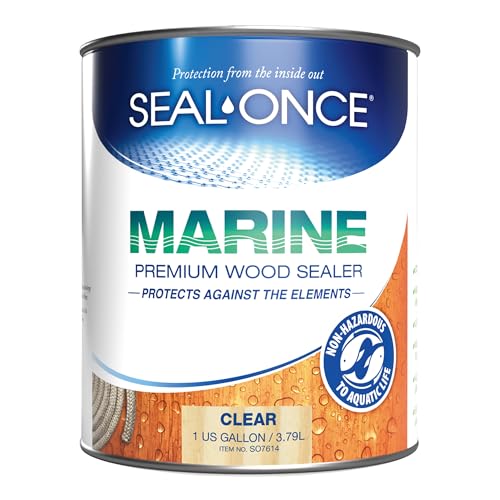


After the initial application, wait approximately 15-30 minutes, then wipe off any excess to prevent a sticky residue. For optimal longevity, a second coat after a few hours is beneficial, enhancing protection and achieving a richer finish. Regular maintenance every six months to a year will keep your pieces in pristine condition throughout their lifespan.
Sealing Techniques for Outdoor Wood Items
Apply a high-quality penetrating oil designed for hardwood surfaces. This type of oil enhances the natural color and provides protection against moisture and UV damage.
First, clean the surface with a mild soap solution and a soft scrubber. This eliminates dirt and mildew, allowing the oil to penetrate effectively.
After drying, pour the oil into a clean container. Using a clean rag or brush, apply a liberal amount of the oil to the wood, working in even strokes along the grain.
Wait approximately 15 to 30 minutes, then wipe off any excess oil to prevent a sticky residue. For optimal protection, apply a second coat after the first has fully absorbed.
Routine maintenance is key. Reapply the oil every 3 to 6 months based on exposure to sunlight and rain. This keeps the grain healthy and the appearance stunning.
For a more robust finish, consider using a specialized outdoor wood finish that contains UV protection and waterproof elements. Follow the manufacturer’s instructions for application to ensure the best results.
Choosing the Right Teak Sealer for Your Furniture
Select a product that promises UV protection and water resistance. These features are vital for preserving natural beauty and preventing fading or damage over time. I prefer sealers that are specifically formulated for hardwoods, as they provide a clearer finish while enhancing grain appearance.
Look for options containing natural oils like tung or linseed, as they nourish the grain and improve durability without forming a film that can peel. A penetrating sealer is preferable, as it seeps into the wood, providing a long-lasting barrier.
Check the application method; some products require spraying or rolling, while others can be brushed on, each having its advantages. Choose one that fits my preferences for ease of use.
Consider the drying time and reapplication frequency. A quick-drying product minimizes disruption, but those that require less frequent reapplications can save time long-term.
Lastly, ensure the selected item is environmentally friendly. Avoid harsh chemicals to maintain a safe space for family and pets while enjoying the natural look and feel of repurposed timber.
Preparing Your Teak Furniture for Sealing
Before applying a protective layer, I ensure the surface is free from dust and debris. This involves a thorough cleaning with a mild soap and water solution. I prefer using a soft brush to gently scrub the surface, removing any dirt or residues that may have accumulated during use.
Drying Process
After cleaning, letting the piece dry completely is crucial. I allow it to air dry under shade for at least 24 hours. Direct sunlight can cause moisture to evaporate too quickly, potentially leading to surface damage.
Sanding for Smoothness
Once dry, I often lightly sand the surface using fine-grit sandpaper (220-grit works well). This step helps in enhancing adhesion for the product I plan to apply. I sand in the direction of the grain to avoid scratches and ensure a smooth finish.
- Check for imperfections or old finishes that may need to be removed.
- Use a clean, damp cloth to wipe down the furniture after sanding to remove dust particles.
This meticulous preparation ensures an optimal surface for the application of the protective coating, enhancing longevity and appearance.
Step-by-Step Application Process of Teak Sealer
First, ensure the surface is clean and dry. I use a soft brush to remove dirt and debris, followed by a cloth to wipe off any moisture.
Next, I stir the sealer thoroughly before pouring it into a paint tray. It’s important not to shake the container, as this can create bubbles.
I choose a high-quality brush or applicator pad for an even coat. Starting at one end, I apply the liquid in the direction of the grain. I make sure to cover the entire surface without excess pooling. If I notice any areas where the product accumulates, I spread it out evenly with the brush.
After the first coat dries–typically around 30 minutes to 1 hour–I inspect the finish. If needed, I lightly sand any rough spots with fine-grit sandpaper for a smooth texture before applying a second layer.
I repeat the application process for the second coat, ensuring full coverage. It’s crucial to allow adequate drying time, generally 1 to 2 hours, before using the pieces again.
Finally, I clean my tools with soap and water immediately after I’m done, preventing hardening and ensuring they’re ready for future tasks.
By following these steps diligently, I achieve a durable finish that enhances both the beauty and longevity of the wooden pieces.
Maintenance Tips for Sealed Teak Pieces
Regular cleaning is vital. I use a solution of mild soap and warm water, applying it with a soft cloth or sponge to remove dirt and grime. I always rinse thoroughly with fresh water and dry with a clean towel to avoid water spots.
Periodic Reapplication
Reapplying the protective coating every 6 to 12 months is crucial. I assess the finish based on wear and weather exposure. If the surface begins to feel rough or shows signs of fading, it’s time to refresh the layer.
Storage Considerations
During harsh weather conditions, I store my items in a protected space whenever possible. A covered area or a protective furniture cover helps minimize UV exposure and moisture accumulation, extending the life of the protective coating.
Inspect for signs of damage or degradation regularly. If I notice any cracks or peeling, I take immediate action to correct these issues before they worsen. This not only preserves the aesthetic appeal but also protects the integrity of the material.
Using coasters and placemats under items can prevent scratches and heat damage. I’ve found that simple precautions significantly prolong the beauty and durability of my pieces.
Finally, I avoid placing items directly on the surface without a barrier. This prevents the buildup of moisture and maintains the smooth finish, ensuring longevity and maintaining the appearance of the wood.
Common Mistakes to Avoid When Sealing Teak
Avoid applying a coating on unprepared wood. Proper surface cleaning is essential for adhesion and longevity. Skipping this step can lead to peeling and uneven application, compromising the finish.
- Neglecting Test Areas: Always do a small patch test of the chosen coating. Different products react differently to diverse surfaces.
- Choosing the Wrong Product: Ensure compatibility. Some coatings are specifically designed for this type of wood, while others may not provide adequate protection.
- Inadequate Needs for Reapplication: Understand the lifespan of the chosen product. Regularly check and reapply as needed to ensure continued protection.
- Ignoring Weather Conditions: Apply only in suitable weather. High humidity or extreme temperatures can disrupt the curing process.
- Disregarding Manufacturer’s Instructions: Follow application guidelines carefully. They provide vital information on layer thickness and drying times.
Proper Equipment Usage
Utilize the right brushes or rollers. Using inappropriate tools can lead to unsatisfactory finishes and inconsistent coverage.
Timing Mistakes
Be mindful of the timing between coats. Insufficient drying time can result in a sticky surface, hindering the final appearance and durability.
Signs That Your Teak Furniture Needs Resealing
I can quickly identify when my outdoor pieces are due for another coating. The first indication is the change in color; if the rich, warm hues fade to a dull, grayish tone, it’s time. I also check for any signs of moisture absorption. If rainwater sits on the surface instead of beading up, that suggests the protective layer has worn off.
Visible Wear and Tear
Scratches and scuffs can also be glaring signs that maintenance is required. If I notice significant wear or any peeling in the finish, it’s crucial to act before further damage occurs. Mildew or mold growth is another clear indicator; a compromised barrier can lead to these issues, which need to be addressed quickly.
Touch and Feel
The texture is an important aspect I observe. If the surface feels rough or excessively oily, there’s a likelihood that the coating is deteriorating. A sticky or tacky feel can also mean that the previous layer is breaking down, requiring immediate attention.
| Signs | Actions |
|---|---|
| Faded Color | Consider resealing |
| Mold or Mildew | Clean and seal |
| Water Seepage | Resurface as needed |
| Rough Texture | Smooth and apply new coat |
| Visible Scratches | Repair and reseal |


