
 Caleb Turner

To ensure longevity and maintain the appeal of your woven outdoor pieces, I recommend beginning with a thorough cleaning. Use a mixture of mild soap and warm water, applying it with a soft brush to remove dirt and debris. Rinse with clean water and allow it to dry completely before applying any protective product. This prevents moisture from being trapped under the sealant.
After cleaning, opting for a high-quality polyurethane or water-based sealant is key. I prefer products that specifically state they can shield against UV rays and water damage. When applying, aim for even coats using a foam brush or spray, ensuring every nook and cranny is covered. This will provide a barrier against weather conditions.
Finally, reapplication is necessary for prolonging protection. Depending on your climate, check every six months to a year. Look for signs of wear, and don’t hesitate to refresh the seal to keep your items looking their best throughout the seasons.


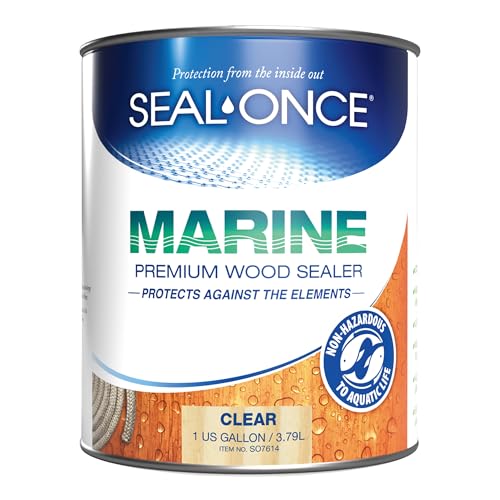
Protecting Wicker Pieces for Exterior Spaces
First, choose a high-quality outdoor varnish or protective spray that specifically mentions compatibility with synthetic materials. I prefer water-based options as they are less harmful and provide good adhesion.
Before applying any product, ensure that the surface is clean and dry. I usually wipe it down with a soft cloth and mild soap solution to remove dust or dirt. Allow the item to dry completely, which is crucial for proper adhesion.
It’s best to work in a well-ventilated area or outside on a calm day to avoid overspray. I apply the protective coating evenly in thin layers, allowing each layer to dry as per the manufacturer’s instructions. Usually, two to three coats do the trick.
After the last coat dries, I check for any missed spots and touch those up as needed. Finally, I let everything cure fully for the time specified on the product label before using or exposing them to rain. This ensures maximum durability and longevity.
Choosing the Right Sealant for Rattan
Select a water-based polyurethane for its durability and easy application. This option dries clear and won’t alter the appearance of your woven pieces.
Acrylic sealants are also suitable, especially for their UV resistance. This prevents fading while offering a flexible finish that adapts to temperature fluctuations.
Oil-based products provide excellent moisture resistance; however, they may impart a yellow tint over time. If the color is a priority, test a small area before full application.
Consider mildewcides in your choice, particularly in humid climates. These additives help inhibit mold growth, extending the life of your items.
| Sealant Type | Durability | UV Protection | Appearance |
|---|---|---|---|
| Water-based Polyurethane | High | Moderate | Clear finish |
| Acrylic | Moderate | High | Clear or semi-transparent |
| Oil-based | Very High | Low | Yellowing potential |
Always ensure proper ventilation while applying any product to prevent inhalation of fumes. Read the manufacturer’s instructions regarding application methods, drying times, and optimal temperatures. Consider a spray application for an even coat in hard-to-reach areas.
Preparing the Surface Before Sealing
Thoroughly clean the material to remove dirt, dust, and any residues. I prefer using a soft brush or a damp cloth for gentle cleaning. Avoid harsh chemicals, as they may damage the natural fibers. If there’s stubborn grime, a mild soap solution works best.
Drying and Inspection
After cleaning, let the surface dry completely. This is crucial, as moisture can prevent proper adhesion of the protective layer. During drying, I inspect for any signs of damage such as fraying or discoloration.
Sanding the Surface
Lightly sand the fibers using fine-grit sandpaper. This step enhances surface texture, allowing the protective layer to bond better. Be careful not to over-sand, as it can weaken the material. Always sand in the direction of the fibers to maintain the natural look.
- Ensure to remove sanding dust after completion.
- Check for rough spots and smooth them out as needed.
Preparing the surface properly sets the groundwork for lasting protection and enhances appearance. Following these steps will ensure that the application of a protective coating is effective and durable.
Step-by-Step Application Process for Sealant
Begin with thorough cleaning of the surface to remove dust and grime. Use a damp cloth or a soft brush for hard-to-reach areas. Ensure complete dryness before moving on.
Preparation of the Sealant
Shake or stir the sealant according to the manufacturer’s instructions to achieve a uniform consistency. This step guarantees that all components are evenly mixed, promoting optimal performance.
Application Technique
Utilize a high-quality brush or roller for application. I prefer using a brush for better precision around the intricate woven sections. Apply the product in a thin, even coat, moving in the direction of the weave. Avoid heavy applications that could lead to drips or gobs.
Allow the first coat to dry completely as recommended, typically 2-4 hours, depending on the ambient conditions. After drying, lightly sand the surface with fine-grit sandpaper to ensure adhesion of subsequent layers. Wipe off any dust residue before applying the second coat.
Repeat the application process for a total of two to three coats, allowing adequate drying time between each. This layering builds up a robust barrier, enhancing protection against moisture and UV exposure.
Finally, give the last coat ample time to cure–usually 24 to 48 hours–before using the items outside. This ensures maximum durability and prolongs the life of your pieces.
Tips for Achieving Even Sealant Coverage
To attain a uniform finish, opt for a high-quality applicator. A foam brush or a lint-free cloth works best, allowing meticulous control over application.
Surface Preparation
Prior to applying, ensure the surface is contaminant-free. Clean it thoroughly and allow sufficient drying time. Any residue will impede adhesion and lead to an uneven texture.
Application Techniques
When applying your chosen product, work in small sections. This method prevents the product from drying before you have the chance to blend in adjacent areas. Apply with long, even strokes to minimize overlaps, and always follow the grain of the material.
| Tip | Description |
|---|---|
| Use Quality Tools | Investing in good applicators ensures even distribution of the coating. |
| Small Sections | Focusing on small areas allows for better blending and prevents uneven drying. |
| Consistent Pressure | Maintain steady pressure while applying to avoid splotches. |
| Drying Time | Allow enough time between coats for the first layer to cure properly. |
After application, inspect for missed spots or drips and address them immediately. A second coat may be necessary for enhanced protection and an even look. Use the same techniques to maintain a smooth finish. Following these practices guarantees a lasting outcome.
Drying and Curing Times for Different Sealants
For oil-based products, I find that the drying time ranges from 6 to 8 hours, with full curing taking about 24 to 48 hours. It’s wise to avoid exposure to moisture during this period to ensure maximum hardness.
Water-based options typically dry in 2 to 4 hours, making them a quicker alternative. However, achieving full curing can take up to a week. I recommend waiting at least 72 hours before placing any items on the surface to avoid any potential marks.
Polyurethane sealants can take slightly longer, usually 8 hours to become touch dry and a full cure might take 3 to 7 days. For these types, additional coats usually require waiting until the previous layer is completely dry.
Varnishes can vary widely based on their formulation; some can be touch dry in 30 minutes, while others may require several hours or even a day before they are fully ready. Always check the manufacturer’s guidelines for specific times.
In practice, I have found that temperature and humidity significantly impact these drying and curing times. Elevated temperatures tend to speed up the process, while high humidity can prolong it. Always monitor conditions closely during application.
Using a fan can help circulate air and speed up drying times, especially in humid environments. However, ensure that your workspace is free from dust to prevent contamination.
Maintaining Sealed Rattan Furniture Over Time
Regular checks for damage are vital. Inspect the coating for any signs of wear, especially in areas exposed to sunlight or moisture.
Cleaning is necessary to prolong the lifespan of the protective layer. Use a soft cloth and a mild soap solution to remove dirt and debris. Avoid harsh chemicals that can compromise the integrity of the finish.
Consider reapplying the protective product every couple of years, especially if the surface shows signs of fading or weathering. This will help maintain a robust barrier against elements.
Store items in a sheltered area during inclement weather. Although many coatings offer durability, extreme conditions can still impact their performance.
Use cushions or covers to provide additional protection against moisture and UV rays. This simple step can extend the beauty of the surface.
Monitor for mold and mildew growth, especially in humid environments. Address any issues immediately with a mixture of water and vinegar.
If any part becomes frayed or damaged, consider patching it using leftover materials before reapplication. Timely repairs prevent further deterioration.
Maintain an organized maintenance schedule. Document cleaning and protective application dates to ensure regular upkeep.
Signs That Rattan Furniture Needs Resealing
Faded colors or dull surfaces indicate that the protective layer may have worn off, exposing the material to the elements. Look for visible cracks or splits, which suggest that moisture has penetrated the surface, compromising integrity. Shedding fibers or peeling finishes signal a breakdown in the protective coating, requiring immediate attention.
If water no longer beads up on the surface and instead soaks in, this is a clear sign that the barrier is ineffective. Observing discoloration or stains, especially those linked to water or sun exposure, may also suggest the need for restoration. Frequent mold or mildew growth indicates accumulated moisture, necessitating a fresh protective application.
Regular inspections should include checking for rough patches or texture changes, which can reveal underlying issues. Additionally, if the material emits an unusual odor, it may be a sign of deterioration or moisture intrusion. Maintaining vigilance in these areas will prolong the lifespan of your outdoor items.


