
 Caleb Turner

Choosing a high-quality clear coat is essential for safeguarding your vibrant patio pieces. Select a product designed specifically for outdoor use to ensure durability against weather elements. I recommend polycrylic or marine varnish as both provide excellent protection without altering the color of your original paint.
Before application, ensure your surfaces are clean and dry. I usually start by lightly sanding the furniture with fine-grit sandpaper, allowing the coating to adhere better. After sanding, wipe down the surfaces with a damp cloth to remove any dust or debris. This step is crucial for achieving a smooth finish.
When it’s time to apply the clear coat, I prefer using a high-quality synthetic brush for even coverage. Apply thin layers, allowing each coat to dry completely before adding another. This not only enhances the protective barrier but also helps avoid unsightly drips and bubbles. Typically, two to three coats will provide the necessary reinforcement against the elements.
Sealing Your Colorful Outdoor Collection
To protect your outdoor creations, a high-quality acrylic or polyurethane topcoat serves as a barrier against moisture and UV damage. Choose a product compatible with the underlying hue to ensure durability. I recommend applying at least two coats for enhanced protection.
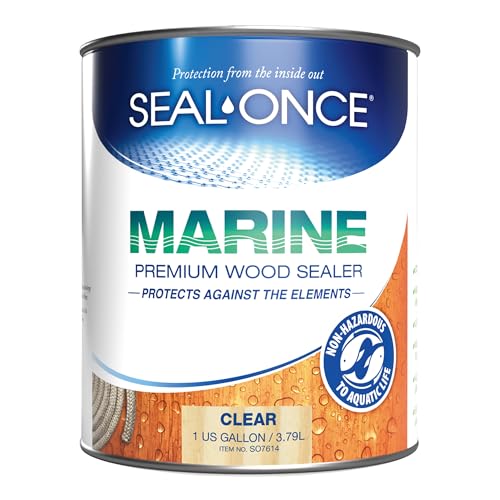


Preparation is key. Begin with a thorough cleaning to eliminate debris and dirt. Once dry, lightly sand the surface to promote adhesion. I prefer a fine-grit sandpaper for a smooth finish.
Application techniques matter. Use a high-density foam roller for large areas and a brush for intricate parts. Maintain even strokes to avoid bubbles. Allow each layer to dry fully before adding the next.
| Product Type | Application Method | Drying Time |
|---|---|---|
| Acrylic Topcoat | Foam Roller or Brush | 1-2 Hours |
| Polyurethane Finish | Brush | 2-4 Hours |
| Oil-based Sealant | Brush | 4-6 Hours |
After completing the application, allow it to cure for several days before placing the items back in service, ensuring maximum protection. Regularly inspect your pieces for any signs of wear and reapply as needed.
Choosing the Right Sealer for Painted Wood
For protecting a coated exterior surface, selecting the appropriate finish is crucial. I prefer water-based formulations for their ease of application and quick drying time. These products tend to be less odorous and clean up easily with soap and water.
Here are some factors to consider:
- Compatibility: Ensure the product is compatible with the existing layer. Oil-based options may not adhere well to latex paints.
- Durability: Look for products labeled as UV-resistant. These help combat sun damage and fading over time.
- Finish Type: Decide between glossy, satin, or matte. A satin finish offers a balance of sheen and durability.
- Application Method: Some products are sprayable, while others require a brush or roller. Choose one that matches your skill level.
Before finalizing your choice, always conduct a small test area. This helps ensure the selected product meets your expectations regarding appearance and adhesion.
Lastly, read reviews or consult with local hardware professionals to gather insights on which brands deliver the best performance for long-lasting protection.
Preparing the Surface Before Sealing
The first step in enhancing the durability of your coated exterior items is thorough cleaning. Use a mild detergent mixed with water to remove dirt, grime, and any organic matter. A soft-bristled brush can effectively scrub hard-to-reach areas, ensuring that all residues are eliminated.
Inspecting the Finish
Next, I check for damage or wear on the surface. Any chips or scratches must be repaired with a compatible filler or touch-up paint. If the coating is peeling or cracking, I gently sand those areas with fine-grit sandpaper to create a smooth surface. This step is essential; it prevents further degradation and ensures the new protective layer adheres properly.
Drying the Surface
Once cleaned and repaired, I allow the surface to dry completely. Depending on the weather conditions, this might take a few hours. Ensuring thorough drying is critical; moisture trapped under the sealant can lead to peeling or bubbling over time. After drying, a light sanding may be beneficial, enhancing the bond with the protective layer. Wipe away any dust with a damp cloth and let it dry again before proceeding with the application.
Applying the Sealer: Tools and Techniques
Select a high-quality applicator for this task, such as a natural bristle brush or a foam roller. A brush allows for precision in corners and detailed areas, while a roller covers larger surfaces quickly.
Ensure the surface is dry and dust-free before proceeding. If using a liquid protector, stir it gently before application to avoid bubbles.
Application Method
Begin at one end and work systematically to the other. Apply the product in thin, even layers. Overlap each stroke slightly to prevent visible lines. For a more uniform finish, consider using a smoothing technique, lightly going over the applied product with a dry brush after application.
Drying and Curing
Allow each coat to dry as per the manufacturer’s instructions. Drying times may vary based on environmental conditions. If a thicker finish is desired, sand lightly between layers for better adhesion, then clean away dust.
Determining the Best Weather Conditions for Sealing
For optimal results, choose a day when temperatures range between 50°F and 85°F (10°C to 29°C). Avoid applying any product in extreme heat or cold, as this can prevent proper curing and adhesion.
Check the humidity levels; aim for a range of 30% to 70% humidity. High humidity can inhibit the drying time, causing the finish to remain tacky and susceptible to damage.
Monitor the forecast for rain or strong winds. Ideally, select a day with a calm, dry atmosphere to allow the material to cure without interference.
Always consider the time of day; early mornings or late afternoons are preferable. Sun exposure can cause rapid drying, leading to uneven application and potential cracking.
Perform a test on a small, hidden section whenever possible to ensure that conditions are right and the application behaves as expected. Timing is key in achieving a durable, protective layer on your piece.
How Many Coats of Sealer Should You Apply?
I recommend applying at least two coats of protective finish to ensure a durable barrier against moisture and UV rays. The first coat penetrates well, while the second provides additional protection and a more uniform appearance.
If the surface is particularly porous, consider adding a third coat for enhanced longevity. Always allow adequate drying time between applications, typically 24 hours, to achieve optimal adhesion and effectiveness.
Test the finish after the second application by rubbing a damp cloth against it. If moisture is absorbed, an additional layer might be necessary.
Remember to follow the manufacturer’s instructions for the specific product you are using, as recommendations may vary.
Common Mistakes to Avoid When Sealing
Using the wrong product is a frequent error; always verify compatibility with your previous surface treatment. Test your sealer on a small, inconspicuous area first to check for adverse reactions.
Skipping surface cleaning is another misstep. Accumulated grime or previous coatings can create barriers, preventing adherence. Thoroughly clean and allow adequate drying time before proceeding.
Neglecting temperature and humidity conditions can lead to improper curing. Aim for moderate temperatures and low humidity, usually between 50°F and 90°F, to achieve optimal results.
Over-applying can cause an unsightly finish. It’s better to apply thinner coats, allowing each layer to dry completely before adding the next. This ensures proper penetration and durability.
Rushing the drying process leads to ongoing tackiness and lack of protection. Prioritize patience; follow the manufacturer’s instructions regarding drying times before subjecting your items to regular use.
Finally, overlooking maintenance can shorten the lifespan of the finish. Regular inspections and timely touch-ups extend the life and appearance of your outdoor pieces.
Maintaining Sealed Furniture: Tips and Tricks
Regular inspection of your outdoor pieces is essential. Check for any signs of wear, such as scratches or peeling, at least once a month. Promptly address these issues to maintain the protective layer.
Cleaning Techniques
- Use a soft cloth or sponge with mild detergent and water. Avoid abrasive materials to prevent damage.
- Rinse thoroughly to remove soap residue, which can attract dirt and moisture.
- For stubborn stains, a mixture of vinegar and water can be effective. Ensure you test a small area first.
Reapplication Guidelines
Generally, reapplication of your protective layer should be done annually. However, factors such as specific climate conditions can alter this schedule. Increased exposure to harsh weather may require more frequent treatment.
- Monitor the luster of the surface–if it appears dull, it’s time for a touch-up.
- Apply a thin layer of your chosen product using a clean brush or cloth, ensuring even coverage.
In summary, maintaining your outdoor seating and tables involves regular inspections, suitable cleaning methods, and timely reapplications. Following these strategies will greatly extend the lifespan and appearance of your pieces.
Signs That Your Sealer Needs Reapplication
One of the first indicators that it’s time for a refresh is water beading. If droplets of water no longer form on the surface, the protective layer has likely worn down, exposing the material to moisture damage.
An overall dull appearance can also signify depletion. If the surface looks dry or faded compared to its initial glow, it’s probably time to apply a new coat. Discoloration, especially in areas that are more exposed to sunlight, serves as another warning sign.
Pay attention to any roughness or splintering. If the texture feels uneven or jagged, it indicates the barrier has compromised, allowing nature to take its toll. Additionally, visible stains or blemishes, which were previously protected, can point to failure in the coating.
If you notice mold or mildew forming, that’s a clear call to action. These often develop when the outer layer no longer adequately repels moisture. Regular checks can prevent further damage and maintain the structure.
Perform a simple scratch test; if you see the underlying layer exposed, this suggests insufficient protection. Checking for a slippery surface can also be useful–when surfaces seem less slick after rainfall, the coating might be thinning.
Lastly, monitor the frequency of required cleaning. If dirt and debris accumulate more quickly than before, it indicates a decrease in the protective capacity. By keeping an eye on these specific markers, I can ensure longevity and maintain the beauty of the furniture.


