
 Caleb Turner

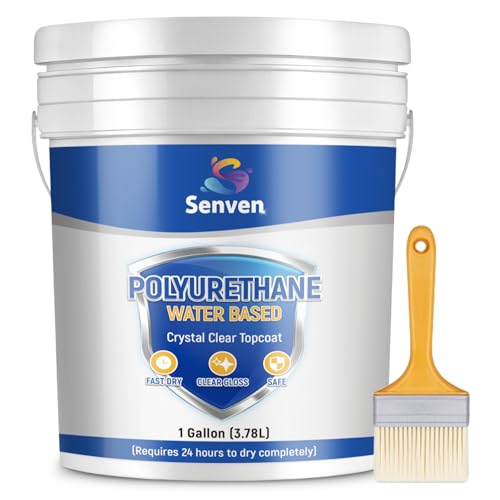
I recommend opting for a high-quality water-based polyurethane to protect your unique treasures. It provides a clear finish that enhances the charm of paint while safeguarding against scratches and stains. A satin or semi-gloss sheen will maintain the character of the colors without overshadowing their original appeal.
Before applying any protective layer, ensure the surface is clean and free of dust. A light sanding can help create an ideal texture for adhesion. Use fine-grit sandpaper to smooth out rough spots and enhance the bond between the paint and the sealant.
Apply the finish with a synthetic brush to avoid leaving brush strokes. Work in thin, even coats, allowing ample drying time between applications. This method will not only prolong the life of the decorative elements but also ensure a pristine appearance for years to come.

Preservation of Aged Decor Pieces
I recommend using a polyurethane topcoat for reliable protection on vintage-style items. Apply it with a clean brush, ensuring even coverage. Allow adequate drying time between coats, ideally at least two, for optimal durability.
Choosing the Right Finish
Consider water-based options for a clear finish that dries quickly and has minimal odor. If a more amber hue is desired, solvent-based versions offer that warmth. Test a small area to evaluate the color and sheen before proceeding with the entire surface.
Application Techniques
Utilize long, steady strokes while applying the protective coat. Work in sections to avoid overlap marks. For intricate details, a smaller brush or foam applicator can ensure precision. Once application is complete, let the piece cure in a dust-free environment to avoid imperfections on the surface.
Regular maintenance after treatment will extend the life of your design. A gentle wipe-down with a damp cloth and occasional reapplication of the protective coat can keep your cherished items looking their best.
Choosing the Right Sealer for Painted Surfaces
The ideal product for protecting your newly coated piece is a water-based polyurethane or a wax finish. Water-based finishes offer clarity, durability, and minimal odor, making them a favorite among DIY enthusiasts. Choose a low-sheen option for a matte look, or a satin finish if you desire a slight sheen.
Considerations for Selection
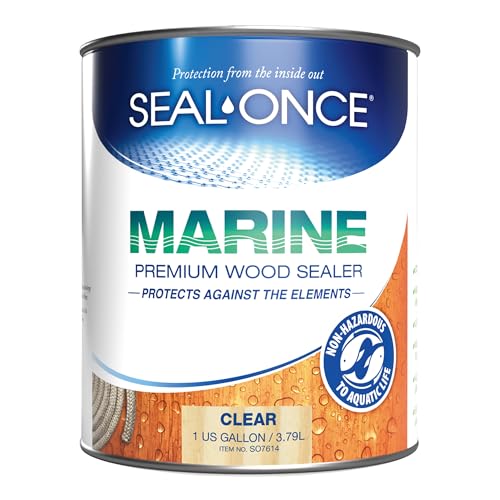
Assess the environment where the item will reside. For high-traffic areas or items likely to experience moisture, opt for a marine-grade sealer that offers enhanced protection against wear and humidity. If the goal is a soft, natural aesthetic, a beeswax or a non-toxic wax will suffice, although it may require more frequent reapplication.
Application Insights
When applying your chosen sealer, ensure that the surface is clean and dry. Use a high-quality brush or a foam applicator for even coverage. For best results, apply multiple thin coats, allowing adequate drying time between layers. This technique enhances the longevity of the finish and preserves the texture of the underlying color.
Ultimately, aligning the sealer type with your specific needs and aesthetic preferences is key for achieving a long-lasting, beautiful result.
Preparing the Furniture for Sealing
I always ensure the piece is clean and dry before applying any finish. Dust and debris can interfere with adhesion, so I begin by wiping down the surface with a microfiber cloth. If there are any greasy spots or stains, I use a mild soap and water solution, followed by a thorough drying.
Next, I inspect the item for imperfections like rough edges or peeling paint. Using fine-grit sandpaper, I lightly sand these areas. This step not only smooths the surface but also promotes better adhesion of the protective layer. After sanding, I vacuum the surface to remove any residue, followed by another gentle wipe with a cloth.
Repair Any Damages
If I find any chips or scratches, I fill them with a suitable wood filler that matches the finish. After it cures, I sand the area again to create a seamless transition with the surrounding surface. This ensures that the final look will be even. If the painted areas are particularly worn, I may consider lightly sanding them as well to create a better bond for the next layer.
Final Inspection
Before proceeding with application, I double-check the entire piece for any missed spots or imperfections. Once I confirm everything is smooth and clean, I’m ready to move forward with the protective treatment. Being meticulous in this preparation stage sets the foundation for a stunning final result.
Applying the Sealer Evenly and Correctly
I ensure the applicator choice matches the product for a smooth finish. A high-quality brush or foam applicator minimizes streaks. I start at one edge and move in straight lines, overlapping slightly for even coverage.
To avoid pooling, I dispense a small amount at a time. It’s key not to saturate the brush or sponge. If needed, I work in sections, letting each area dry before continuing. Keeping a wet edge helps eliminate visible lines.
After applying, I inspect the surface under natural light for any missed spots or imperfections. A light sanding between coats can enhance adhesion and create a polished look. I repeat the process as necessary, aiming for at least two coats based on the product instructions.
- Use light pressure while applying to prevent drips.
- Follow the product’s drying time between applications.
- Maintain a consistent indoor temperature to promote proper curing.
Once finished, I let the piece cure fully as suggested before use. This final wait ensures durability and a lovely finish that enhances the character of the surface.
Understanding Drying Times and Curing Process
Monitor the drying time specified on the product label; this is crucial for optimal results. Depending on the type of application and conditions, drying can take anywhere from a couple of hours to a full day. For instance, water-based products generally dry faster than oil-based alternatives.
Allow environmental factors to guide your expectations. Humidity and temperature directly affect the drying phase. In humid conditions, expect longer drying times; conversely, higher temperatures may speed up the process. Using a fan to circulate air can help reduce moisture levels and aid in drying.
Curing, distinct from drying, is the period during which the finish reaches maximum hardness and durability. This process can extend from several days to a few weeks. Patience is key; avoid heavy usage or additional layers until full curing is achieved, as this will ensure a robust and lasting finish.
Understand that some products may indicate a quick-dry feature, but this does not necessarily mean they are fully cured. Always refer to the manufacturer’s recommendations for curing times, and consider performing a scratch test after a week to check readiness before applying any additional coatings or using the piece.
Maintaining the Sealed Finish Over Time
I recommend regularly dusting the surface with a soft, dry cloth to prevent grime from accumulating. For spills, promptly wipe them up with a damp cloth, using a gentle cleaner if necessary. Avoid abrasive pads and harsh chemicals, as these can compromise the protective layer.
Every few months, I suggest re-evaluating the condition of the finish. If it appears dull or scratched, light buffing with a soft cloth can rejuvenate its appearance. For added protection, apply a thin layer of wax or a compatible topcoat; this can enhance both sheen and durability.
If the item experiences heavy use, consider applying a fresh coat of topcoat annually. Before reapplication, ensure the surface is clean and slightly scuffed to promote adhesion. Always follow manufacturer instructions for any products used.
Humidity and temperature fluctuations can impact the finish. Keep the piece in a stable environment, avoiding extreme heat or moisture. If needed, use a dehumidifier in damp areas to minimize potential damage.
Lastly, for pieces that are heavily utilized, placing coasters or mats underneath items can protect against scratches and moisture rings, preserving the finish for longer periods. By implementing these practices, I maintain the aesthetic and integrity of my repurposed pieces effectively.
Troubleshooting Common Sealing Issues
If I notice a sticky or tacky finish, the sealer may not have cured properly. This can occur due to high humidity or insufficient drying time. To fix this, I allow the piece to sit in a well-ventilated area and check the humidity levels. If needed, I can lightly sand the surface with fine-grit sandpaper and reapply a thin layer of the product, ensuring it’s evenly distributed.
Discoloration or yellowing is another problem that I encounter. Often, this happens with oil-based products, especially when exposed to sunlight. To prevent this, I opt for water-based sealers, which are less prone to tinting over time. If yellowing occurs after application, I gently sand the area and apply a newer, clear water-based finish.
Uneven Texture
An uneven texture may arise from incorrect application. If I observe brush strokes or roller marks, it’s crucial to apply the chosen solution in thin, consistent layers. I use a quality brush or a foam applicator to achieve a smoother finish. For touch-ups, I carefully sand the affected areas before reapplying.
Bubbling or Blistering
Bubbling can happen due to moisture trapped under the coating. To rectify this, I inspect the item for any signs of moisture before sealing. If bubbles appear, I puncture them with a pin and smooth out the area. Allow it to dry fully, and apply another layer to avoid further issues.
| Issue | Cause | Solution |
|---|---|---|
| Sticky Finish | High humidity or insufficient drying | Sand surface lightly and reapply sealer |
| Discoloration | Oil-based product exposure to sunlight | Switch to water-based sealers |
| Uneven Texture | Improper application technique | Apply in thin, consistent layers with quality tools |
| Bubbling | Trapped moisture | Puncture bubbles and smooth out, then reapply |
By proactively identifying these issues and applying the correct remedies, I ensure a durable and appealing protective finish on my pieces.


