
 Caleb Turner

Begin with a thorough cleaning of the surface using a soft, damp cloth to remove any dust or debris. Allow it to dry completely, as moisture can interfere with the adherence of protective coatings.
Choose a high-quality finish. Polyurethane or tung oil provides excellent protection against spills and scratches while enhancing the natural beauty of the wood. Applying a finish in thin layers will prevent drips and ensure a smooth, even application.
For application, use a clean brush or cloth and work in small sections. Follow the manufacturer’s instructions regarding drying times and the number of coats needed for optimal protection. Sand lightly between coats to achieve a polished look.
Regular maintenance is key. Reapply the protective layer annually or as needed, especially in high-use areas. This not only maintains the aesthetic appeal but also extends the life of the natural elements in your space.


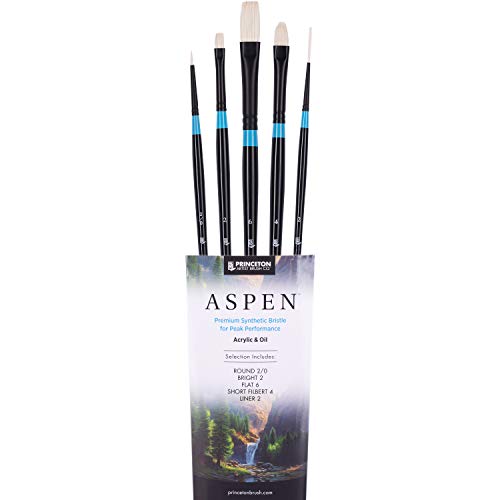
Applying a Protective Finish
I recommend using tung oil or linseed oil as a top coat to safeguard the surface. These natural oils penetrate well and provide a robust shield against moisture and wear.
Preparation of the Surface
Before applying the finish, ensure the surface is clean and smooth. Lightly sand the item with fine-grit sandpaper to remove any imperfections and to enhance adhesion. Wipe with a damp cloth to eliminate dust particles.
Application Process
Using a lint-free cloth or brush, apply the oil evenly. Work in small sections, allowing the product to soak in for about 15 minutes. Wipe off any excess with a clean cloth to prevent a sticky residue.
Drying Time
Let it dry for at least 24 hours before adding a second coat. Multiple layers will improve durability. Ensure each coat dries completely before proceeding.
Maintenance Tips
I suggest periodically inspecting the surface for signs of wear. Reapply the oil annually or as needed to maintain the protective layer and enhance the appearance.
Choosing the Right Sealant for Bamboo
For optimal protection of your wooden pieces, I recommend using a water-based polyurethane. It offers excellent durability and dries clear, ensuring the beauty of the grain remains visible. Additionally, it’s less toxic than oil-based options, making it safer for indoor use.
Consider these factors when selecting a protective coating:
- Drying Time: Water-based products typically dry quickly, allowing for multiple coats in a single day.
- Durability: Look for a product specifically designed for high-traffic surfaces, which will withstand wear and tear effectively.
- Finish Type: Choose between a matte, satin, or glossy finish based on your desired look. Matte provides a natural appearance, while glossy adds shine.
- Eco-Friendliness: If sustainability is a priority, opt for low-VOC or no-VOC finishes that are safer for both you and the environment.
A clear epoxy resin is another viable choice, particularly for outdoor pieces. It provides a waterproof barrier, ensuring long-lasting preservation against moisture and UV damage.
Lastly, perform a small test on a hidden area before applying any sealant to the entire surface. This ensures compatibility and achieves the final effect you desire without surprises.
Preparing Bamboo Furniture for Sealing
Clean the surface using a damp cloth to remove dust and debris. Allow it to dry completely before proceeding. I also recommend sanding any rough areas with fine-grit sandpaper to ensure a smooth finish. This step enhances the adhesion of the coating.
Inspect for any damage like cracks or splits. Repair these imperfections with wood glue or a filler designed for natural materials. Smooth these repairs with sandpaper to create an even surface.
Once repairs are complete, wipe down again to eliminate any dust created from sanding. Ensure no moisture remains on the surface before applying any product.
Consider using a tack cloth to pick up any lingering particles for an immaculate finish. Testing on a small inconspicuous area can help evaluate the appearance of the product once applied.
Step-by-Step Sealing Process for Bamboo
Begin by ensuring the surface is clean and dry. Dust and debris can interfere with product adhesion.
-
Apply a thin layer of primer specifically designed for this material. This enhances penetration and adhesion of the finishing product.
-
Once the primer is completely dry, choose a quality protective coating. Water-based options are usually less toxic and dry faster.
-
Using a high-quality brush or roller, evenly distribute the first coat. Work in small sections to maintain control and prevent overlapping marks.
-
Allow the initial coat to cure fully as per the manufacturer’s instructions. This could take several hours or overnight.
-
Lightly sand the surface with fine-grit sandpaper to promote better adhesion of subsequent layers. Remove dust with a damp cloth.
-
Apply a second coat similarly to the first, ensuring complete coverage. Pay attention to edges and corners for thorough protection.
-
After the second layer dries, assess the finish. If necessary, repeat the sanding and coating process for a more robust layer.
-
Finish with a topcoat for enhanced durability and a polished look. Ensure it matches the desired sheen level.
Let the final product cure for the recommended time before use. This ensures optimal durability and protection against environmental factors.
Applying the First Coat of Sealant
Before applying the initial coat, ensure the surface is thoroughly clean and dry. Using a high-quality brush or roller, apply the chosen sealant evenly across the surface. I prefer working in long, even strokes to avoid drips and ensure an even application. Start at one end and move systematically to the other side, covering every nook and cranny.
Pay special attention to joints and seams, where moisture can accumulate. If the product allows, I find it useful to work in small sections, ensuring the sealant doesn’t dry out before I’m finished. Make sure to check the manufacturer’s instructions regarding application thickness and drying times.
After spreading the first layer, set the piece aside to dry in a well-ventilated area, far from direct sunlight. Wait for the recommended duration before inspecting for any missed spots or uneven areas that may require touch-ups. Don’t rush this process–the first coat sets the stage for the subsequent layers, contributing to the durability and appearance of the finish.
Drying Times and Conditions for Sealant
For optimal results, allow the first layer of coating to dry completely before applying additional layers. Generally, a drying period of 2 to 4 hours suffices, though it may vary depending on the humidity and temperature. In cooler or humid conditions, drying may extend up to 8 hours. Ensure the environment is well-ventilated, as stagnant air can delay the process significantly.
Ideal Conditions
A temperature range of 65°F to 85°F (18°C to 29°C) provides the best scenario for drying. High humidity can introduce difficulties; therefore, avoid applications during rainy weather. If working indoors, using a fan or dehumidifier can enhance airflow and accelerate the drying phase.
Layering Recommendations
Apply at least two to three coats for thorough protection. Each subsequent coat requires a similar drying duration; therefore, scheduling your application process allows ample time for each layer to cure properly. Reassess conditions before every application to ensure optimal adherence and longevity of the finish.
Inspecting and Sanding Between Coats
Before applying additional layers of finish, I carefully inspect the initial coat for any imperfections. This may include rough patches, bubbles, or uneven areas that can compromise the final appearance. It’s essential to perform this assessment in good lighting, ensuring no spots are overlooked.
After the first coat has dried completely, I use a fine-grit sandpaper, typically around 220 grit, to smooth out the surface. This process helps create a better bond with the subsequent layer. I lightly sand in the direction of the natural grain, applying even pressure to avoid creating groves.
Once sanding is complete, I diligently clean the surface to remove all dust particles. A microfiber cloth or vacuum works well for this task. Dust left behind can lead to an uneven finish, so a thorough cleaning is critical.
I often find it helpful to run my hand over the surface after sanding. This tactile inspection flag any areas that may require additional attention before moving on to the next coat.
| Step | Action |
|---|---|
| 1 | Inspect the first coat for imperfections. |
| 2 | Sand the surface using fine-grit sandpaper. |
| 3 | Clean the dust from the surface. |
| 4 | Check surface texture with your hand. |
By adhering to these steps, I ensure a smooth, polished finish in the final result. This approach maximizes the durability and aesthetic appeal of the piece.
Applying Additional Coats for Durability
I recommend applying at least two additional layers of finish to enhance protection and longevity. Each subsequent application provides an extra barrier against moisture and wear, ensuring the wooden pieces withstand daily use.
Timing Between Coats
After the initial coat has fully dried, inspect the surface for any imperfections. Lightly sand with fine-grit sandpaper to create a smooth base for the next layer. Wait at least 24 hours before applying another coat, ensuring the environment remains dry and well-ventilated during this period.
Final Touches
For the final application, consider using a satin or glossy finish for a polished look. This not only improves aesthetic appeal but also adds an additional layer of protection. Allow adequate drying time before using the pieces, generally recommended for at least 48 hours to ensure a complete cure.
Maintaining Sealed Bamboo Furniture Over Time
I recommend regularly dusting your furnishings with a soft cloth to prevent dirt buildup. For deeper cleaning, use a damp cloth with mild soap, avoiding excessive moisture, which can damage the protective layer.
Reapplying a protective coating every 6 to 12 months is advisable to maintain durability. Pay attention to areas that are frequently used or exposed to sunlight, as these may require more frequent treatment.
Check for any signs of wear or damage, such as scratches or dull spots. If I notice these, I sand the affected area lightly and apply a touch-up coat of sealant, ensuring the finish remains uniform.
Keep your pieces away from direct heat sources and avoid using harsh chemicals for cleaning. This will extend the life of the coating and preserve the natural beauty of the material.
To further protect, consider using coasters and pads under hot items and heavy objects, reducing the risk of dents and thermal damage.
Store items indoors when not in use, especially during extreme weather conditions. This practice helps minimize exposure to moisture and UV light, both of which can degrade protective finishes over time.
Lastly, periodically evaluate the overall condition and appearance, adjusting care methods or scheduling professional maintenance as needed to keep your decor looking its best.
FAQ:
What are the best products to use for sealing bamboo furniture?
To seal bamboo furniture effectively, you can use products such as polyurethane, varnish, or specialized bamboo sealants. Water-based urethanes are popular for their low odor and ease of use, while oil-based options provide a durable finish. When selecting a product, consider the type of finish you prefer (matte, satin, or glossy) and whether the furniture will be used indoors or outdoors, as outdoor furniture typically requires weather-resistant sealants.
How often should I seal my bamboo furniture to maintain its appearance?
The frequency of sealing bamboo furniture depends on its exposure to elements and the type of finish used. For indoor furniture, sealing every 2-3 years is generally sufficient. However, if your bamboo furniture is placed outdoors, it may need sealing annually to protect against moisture and UV damage. Regular inspections for signs of wear, like fading or scratches, will help you determine when it’s time for reapplication.
Can I seal bamboo furniture myself, and what steps should I follow?
Yes, sealing bamboo furniture is a DIY task that can be completed with some basic tools. Start by cleaning the furniture to remove dust and grime. Sand the surface lightly to ensure the sealant adheres properly. After sanding, wipe the surface clean and apply the sealant using a brush or cloth, following the manufacturer’s instructions for application and drying times. Make sure to work in a well-ventilated area, and consider applying multiple coats for better protection.
Are there any specific techniques for sealing bamboo that I should be aware of?
When sealing bamboo, it’s recommended to apply the sealant in thin, even coats to avoid drips and pooling. Make sure to follow the wood grain while brushing on the product. For best results, allow sufficient drying time in between coats, as per the product guidelines. If you’re using oil-based sealants, keep in mind that they may take longer to dry compared to water-based options. Finally, ensure that the area where you work is dust-free to prevent particles from sticking to the finish.


