
 Caleb Turner
Choosing the right grain and finish will enhance the longevity and appearance of your exterior pieces. Begin by prepping the surfaces carefully; ensure all dirt and grime are removed using a mild detergent solution. A clean base is crucial.
Next, let’s focus on the abrasion process. Utilize a medium-grit paper for initial smoothing, followed by finer grits to achieve a polished feel. This step is vital in ensuring any previous coatings are adequately dulled, allowing the new covering to adhere properly.
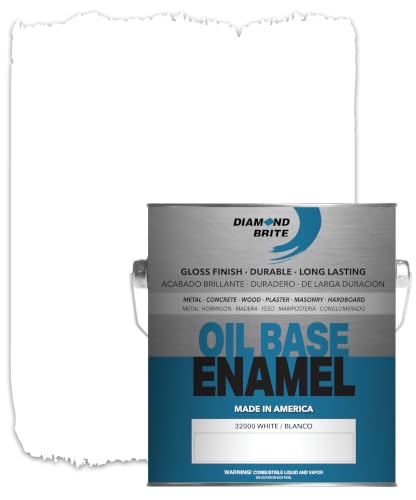
For coloring, opt for an appropriate outdoor coating that offers UV protection and weather resistance. Read labels closely to match your requirements, ensuring compatibility with the material you are working on. Apply multiple thin layers instead of one thick coating for uniform coverage and durability.
Remember to allow sufficient drying time between each layer; this will significantly enhance the final result. Once the last layer is dried, consider applying a protective sealer for additional safeguarding against the elements. Enjoy the revived aesthetic and extended lifespan of your cherished pieces.


Preparation and Application Techniques for Exterior Wooden Seating
Ensure the surface is entirely clean before beginning. I use a mixture of warm water and mild detergent, scrubbing vigorously with a stiff brush to remove dirt and mildew. After rinsing thoroughly, I let the surface dry completely.
For smoothing the surface, I opt for medium grit sandpaper, around 120-grit. I meticulously sand along the grain in a consistent motion, paying close attention to corners and edges. After initial sanding, I switch to finer sandpaper, typically 220-grit, to achieve a smooth finish.
Next, I vacuum the area to remove dust particles. A tack cloth is helpful for picking up any remaining debris on the surface. This step is crucial for ensuring proper adhesion of any coatings.
I prefer using a high-quality primer specifically designed for external applications. Applying it with a brush or roller, I make sure to cover every inch, especially where the surface may encounter moisture. Allow ample time for the primer to cure fully, usually 24 hours.
For the final layer, I choose a durable acrylic or alkyd finish, depending on desired appearance and longevity. I use a brush for precision, applying in thin, even layers. It’s best to work with the grain to avoid streaks and ensure a seamless finish. Multiple coats may be beneficial, so I wait at least 4 hours between applications.
Finally, to protect the finish, I recommend a clear sealer after the last coat has dried completely. This adds an extra protective barrier against the elements, prolonging the life of the piece.
Selecting the Right Sandpaper for Your Project
I recommend starting with a coarse grit, such as 60 or 80, to remove old finishes and smooth out rough spots. This allows for effective material removal without excessive effort. For surfaces that are already relatively smooth, a medium grit of 120 or 150 suffices to prepare the area for subsequent treatments.
As I transition to finer grits, typically between 180 and 220, I focus on achieving a polished feel, minimizing any physical imperfections. Using finer paper helps ensure the subsequent coating adheres properly, resulting in a smoother finish.
Keep in mind the type of abrasive material on the sandpaper. Aluminum oxide is durable and suitable for general use, while silicone carbide excels in sanding harder surfaces or painted coatings. Each type serves different project needs, and selecting the right abrasive is key.
Additionally, consider the backing of the grit. Flexible backing paper allows for better conformity to curves and edges, whereas stiffer backing offers more control on flat surfaces. Having a variety on hand can improve the efficiency of the entire process.
Choosing the right type and grit can significantly impact the outcome. Examine the condition of the surface before starting to tailor my strategy and make adjustments as needed for optimal results.
Preparing Your Workspace and Materials
Choose a well-ventilated area, ideally outdoors or in a garage with doors open. Lay down a drop cloth to capture dust and drips, ensuring I protect surfaces underneath.
Tools and Supplies
- Safety goggles: Protect my eyes from debris.
- Dust mask: Prevent inhalation of fine particles.
- Sandpaper: Select various grits based on the initial condition of the item.
- Power sander: If available, will expedite the process.
- Paintbrushes or rollers: Choose quality tools for a smooth finish.
- Primer: Important for better adhesion of the finish.
- Sealant: Consider a weatherproof option for longevity.
Workspace Setup
Elevate the piece slightly off the ground using small blocks or sawhorses to allow better access on all sides. Ensure that the surrounding area is free from obstacles to avoid accidents.
Have a container nearby for used materials, including sandpaper and cloths. This streamlines cleanup and keeps the workspace tidy.
Check weather conditions if working outside; avoid extremes in temperature or rain, as these factors can affect drying and adhesion. Store materials in a cool, dry place before starting.
Step-by-Step Guide to Preparing Wooden Pieces
Begin by removing any existing coatings or layers. I used a chemical stripper, following the manufacturer’s instructions to effectively dissolve the finish. Once I achieved satisfactory results, I scraped off the softened material with a putty knife to avoid damaging the surface.
Refining the Surface
After cleaning, I selected a coarse abrasive, typically between 60-80 grit, to tackle any rough spots or imperfections. This stage involves using a sanding block or an electric sander. I moved the tool evenly across the surface, ensuring consistency and avoiding gouges. I made certain to sand with the grain to minimize scratches.
Smoothing the Finish
Next, I shifted to a finer grit (120-220) to achieve a smooth surface. This step is critical; it enhances the adhesion of the new finish. Careful attention to detail here pays off in the final appearance. Once done, I wiped the entire area with a damp cloth to remove dust particles before proceeding to treat the material.
Choosing the Best Paint for Outdoor Conditions
The ideal choice for exterior surfaces is a high-quality acrylic latex product. This type offers durability, flexibility, and excellent adhesion, making it resistant to cracking and peeling. Look for formulations specifically designed for exterior applications to ensure they withstand moisture and UV exposure.
Select a paint with a satin or semi-gloss finish. These finishes provide a balance of sheen and durability, enhancing the surface’s ability to repel water and resist dirt buildup. Glossy options, while more reflective, can also highlight imperfections, so consideration of surface quality is key.
Consider whether you prefer a specific color or palette. Some brands provide fade-resistant color options that maintain vibrancy longer than standard choices. It’s also beneficial to assess environmental impact; look for low-VOC or zero-VOC formulations to minimize harmful emissions during application.
Testing paint samples on a small section can provide insight into the final look and performance under local weather conditions. Allow samples to dry completely before evaluation, as the appearance can change with drying. Pay attention to labels indicating mildew resistance for wet or humid climates.
If opting for a stain, select one that penetrates deeply to protect against water damage. Semi-transparent options allow the natural grain to show while providing adequate shielding. Test various samples on hidden areas to decide which best complements the surrounding decor.
Applying Primer: When and Why It’s Necessary
I always apply a primer on my exterior pieces prior to any finishing coats. This base layer serves several significant purposes, enhancing both durability and appearance. One of the key reasons for priming is ensuring better adhesion of the topcoat, particularly on porous surfaces that can absorb moisture.
Timing for Primer Application
Prior to the first layer of finish, I recommend using a high-quality primer that matches the type of topcoat I’ll be using. If the item has previously been treated with a dark stain or paint, a stain-blocking primer becomes necessary, preventing any bleed-through that could alter the final color. This step is particularly crucial for items placed in sunny areas where fading may occur more rapidly.
Choosing the Right Primer
Depending on the material, different formulas are available. For instance, an oil-based primer offers excellent sealing qualities, making it perfect for high-moisture conditions. Conversely, if the application environment is less humid, an acrylic primer can suffice. It’s essential to check that the primer is specifically formulated for outdoor applications, as this ensures it provides the most effective barrier against varied weather conditions.
In summary, applying a primer before the finish is a method I highly value for achieving long-lasting results. It forms a protective layer that enhances adhesion and ensures a uniform finish, making the overall outcome more visually appealing and resilient.
Techniques for Achieving a Smooth Finish with Paint
Begin with a high-quality synthetic brush or foam applicator for the most refined results. Synthetic bristles prevent streaks and can handle various types of finishes effectively.
Apply thin layers. It is better to use multiple light coats than a single heavy application, as this prevents runs and allows each layer to dry evenly.
Before starting, ensure that the surface is free of dust and debris. A clean environment minimizes imperfections in the final coat.
After the initial layer dries, lightly abrade the surface with fine-grit paper (320-400 grit). This eliminates any rough spots or dust particles that might have settled during drying.
To enhance adhesion and continuity, consider using a paint conditioner. This additive improves flow and leveling, ensuring an even distribution during application.
| Technique | Description |
|---|---|
| Synthetic Brush | Prevents streaks, suitable for various finishes. |
| Thin Layers | Multiple light coats avoid runs; aids drying. |
| Surface Preparation | Clean areas prevent imperfections. |
| Light Abrasion | Eliminates rough spots post-dry. |
| Paint Conditioner | Improves flow and leveling of application. |
Lastly, allow ample curing time between coats. This practice enhances durability and finish quality, resulting in a pleasing aesthetic and longevity of the surface. Following these precise methods assures a polished outcome, devoid of flaws.


