Caleb Turner

To achieve the best layout in your shelter, I find it essential to utilize the correct key combination for adjusting the orientation of objects. For most systems, pressing the R key allows for a quick twist of items in any direction, making space optimization a breeze.
When placing larger appliances or furniture, ensure to activate the move mode with the M key, which helps to reposition the items seamlessly. This method is particularly practical when trying to create pathways or designate specific zones within your living area.
Always keep an eye on the surrounding area while rearranging. I recommend checking for any obstructions or potential hazards that could impede movement or access. This attention to detail not only enhances usability but also contributes to a more organized environment, promoting safety in dire situations.
Adjusting Position of Items in the Game
To reposition your belongings, I utilize the ‘E’ key to enter the placement mode. This immediately allows me to manipulate the orientation of objects. While holding the key, I use the mouse to click and drag the item to my desired spot. For adjusting direction, I simply press the ‘R’ key, which seamlessly cycles through various angles.


Maintaining a strategic layout is crucial for enhancing space usability. I often take into account accessibility and defensive positioning while arranging my surroundings. If I feel an item needs a different angle to improve functionality, I switch to the placement mode and experiment with different orientations until I find the most suitable one.
Sometimes, it’s useful to consider the lighting and line of sight within the environment. Adjusting the setup not only impacts aesthetics but also influences gameplay. By systematically experimenting with placements, I find optimal arrangements that support both my needs and tactical advantages during encounters.
Understanding the Rotation Mechanic
To adjust the orientation of items in the game, simply use the designated keyboard shortcuts. The standard keys for this function are:
- Q – Rotate left
- E – Rotate right
Position the character facing the item to securely modify its alignment. This approach ensures accuracy when creating layouts in the environment.
Consider the following points to enhance your experience while manipulating objects:
- Test the angles before finalizing the placement. Objects may obstruct pathways if not positioned correctly.
- Keep an eye on the surrounding space, as certain layouts will limit movement and accessibility.
- Use the context menu by right-clicking on the item for additional options, allowing for precise adjustments beyond simple rotation.
Familiarizing yourself with these controls will streamline interactions with various pieces within your living space, making it easier to establish a functional and pleasing setup.
Key Controls for Furniture Rotation
To alter the positioning of objects in your space, I recommend using the following key controls:
- Q Key: Pressing this key will turn the selected item counterclockwise.
- E Key: This will rotate the chosen piece clockwise.
The orientation will adjust with each key press. It’s beneficial to familiarize myself with these options to quickly reposition items during gameplay.
As I manipulate the placement, ensure I have the object selected. The action won’t register otherwise, so checking my selection is crucial before proceeding. Additionally, understanding the layout of surrounding elements helps avoid unwanted placements during adjustments.
If I need to adjust quickly, combining these controls with movement keys enhances my efficiency. This allows me to reposition items without losing track of other objects in the vicinity.
For a smoother experience, I can experiment with the rotation while in the build mode, as it provides a clearer view of how the item will fit within the overall arrangement. This practice allows a better understanding of spatial relationships within the environment.
Rotating Items in Different Menus
In various menus, the approach to changing the orientation of items can differ significantly. The key lies in understanding the specific menu you are interacting with. Below are the most common situations you might encounter.
Inventory Menu
When managing items in your inventory, simply select the object, then utilize the designated key to alter its orientation. This can be particularly handy for stacking items efficiently or fitting them into tight spaces.
Construction Menu
Within the building interface, the process involves selecting your desired structure or decoration first. Press the corresponding key to adjust its angle before placing it in your desired location. This ensures the item aligns perfectly with other constructed elements.
| Menu Type | Action Required | Key Binding |
|---|---|---|
| Inventory | Select item, use rotation key | R |
| Construction | Select object, adjust angle before placement | Q |
| Contextual Menus | Highlight item, execute rotation command | Ctrl + R |
Be attentive to your surroundings, as well as the orientation of nearby objects, to ensure placement is optimal. Mastering these different menus can greatly enhance your overall experience.
Using the Right Mouse Button for Rotation
To change the orientation of an object, I simply right-click while holding the item. This action initiates the rotating motion, allowing me to adjust the angle quickly.
It’s helpful to know that the direction of the turn can be modified based on where the mouse pointer is positioned. The following guidelines optimize this process:
- Point the cursor towards where you want the front of the item to face.
- Keep the right mouse button pressed to maintain the rotation phase.
- Release the button once the desired alignment is achieved.
This method is intuitive and efficient, especially when I need to reposition several objects rapidly.
Troubleshooting Common Issues
If the item isn’t turning as expected, I ensure that the placement is valid – some surfaces or areas may restrict movement. Double-checking for surrounding obstacles can also help.
Additionally, it’s wise to try varying the angle or distance from other objects if difficulties persist.
Combining with Keyboard Shortcuts
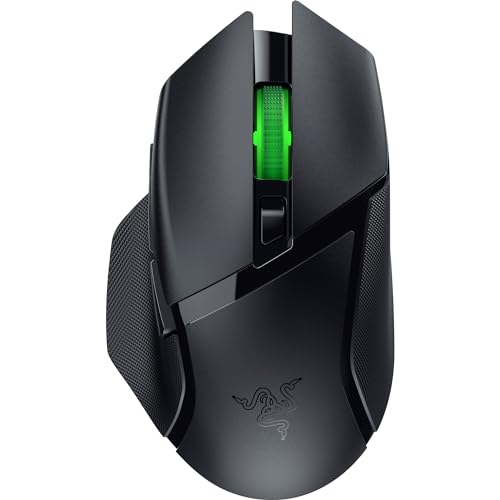
While the right mouse button provides smooth adjustments, pairing it with keyboard shortcuts can enhance precision. Holding specific keys might freeze the item in place while rotating, leading to more accurate placements.
- Experiment with different angles to achieve a cohesive setup.
- Practice adjusting multiple items in a sequence for better efficiency.
Adjusting Furniture Orientation While Placing
To position an object accurately, I utilize the precise selection of grid squares. This method allows me to visualize potential placements before finalizing the position. If the squares do not align as expected, I find it helpful to toggle between different angles and view orientations to ensure the most suitable arrangement.
Utilizing the Environment
When I identify an ideal placement, I assess the surroundings to ensure that the chosen spot does not obstruct movement or access to essential items. Factors like nearby walls or other pieces can influence the overall layout, impacting both aesthetics and functionality.
Visual Cues for Placement
As I maneuver an object, the interface provides visual indicators that signify alignment with walls and nearby entities. Paying close attention to these markers aids in achieving a seamless integration with existing elements in the area.
By actively engaging with the environment and utilizing available tools, I enhance my ability to create a harmonious living space, maximizing both style and practicality.
Rotating Furniture in Multiplayer Mode
To adjust your setup effectively in a shared environment, each player can use the space bar for alignment while positioning objects. It allows for seamless interactions when coordinating placements with team members.
When establishing a communal space, communication is key. Let others know your intentions to avoid conflicts. For example, declaring your plan to shift an item can prevent overlap and enhance collaboration.
Utilizing the right-click function grants access to additional options; ensure you are aware of what each participant is placing. This way, we can avoid placing items in inappropriate locations, leading to unnecessary conflicts.
The placement system includes designated zones for team collaboration, indicating visible boundaries. Staying within these limits facilitates a smoother visual aesthetics without restrictions.
Here’s a quick reference table for the controls available in multiplayer scenarios:
| Action | Control |
|---|---|
| Cycle Orientation | Press Space |
| Access Additional Options | Right-Click |
| Confirm Placement | Left-Click |
By combining the above techniques with effective communication, we enhance our gameplay experience and create a better living space for survival.
Common Issues with Furniture Rotation
One frequent problem I encounter involves the alignment of objects. Sometimes, after attempting to reposition a piece, it ends up partially obstructing pathways or doorways. To mitigate this, I ensure to visualize the placement in advance, especially in tight spaces.
Collision Detection Errors
During attempts to adjust an item’s position, I occasionally deal with collision detection glitches. These prevent me from placing an item in the intended area. A simple workaround is to temporarily move nearby objects, allowing for a clearer placement zone, then returning them to their original spots post-adjustment.
Interface Confusion
The interface for adjusting items can sometimes be misleading. I’ve found that toggling between different menus offers a clearer perspective on placement options. When I’m unsure about an object’s status or position, switching to an overview mode helps clarify my options and ensures the correct adjustments are made.
Tips for Creating Functional Spaces
I recommend dividing your living area into designated zones based on purpose. For example, set up a cooking area close to storage, a dining section for meals, and a relaxation space with easy access to entertainment resources.
Consider the flow of movement between these areas. Ensure pathways are clear and intuitive, allowing for easy navigation without obstruction. Keeping furniture aligned can enhance accessibility.
Utilize vertical space effectively by placing shelves or cabinets above eye level, which frees up valuable floor space. Multi-functional pieces, such as ottomans with storage or foldable tables, are practical for maximizing utility.
Incorporate lighting thoughtfully; position lamps to illuminate high-traffic areas while also creating ambiance in relaxation zones. Natural light is beneficial, so arrange drapes and screens to allow sunlight to filter in.
Balance aesthetics with practicality. Choose color schemes and designs that promote a sense of calm, while ensuring essential items are within easy reach. This approach enhances both comfort and functionality.
Regularly reassess the arrangement to adapt to changing needs. This adaptability can keep your space fresh and suitable for evolving lifestyles.