
 Caleb Turner

I recommend examining the affected areas for signs of severe wear, such as cracks or deep scratches. Start with a gentle cleaning using a blend of warm water and a mild soap to remove any dirt and surface grime. Be cautious to moisten the wood without soaking it; excess moisture can lead to further deterioration.
After cleaning, apply a premium wood conditioner or mineral oil. Work the product into the surface with a soft cloth, which helps to restore natural oils. This nourishing treatment can significantly improve the appearance, providing a subtle sheen and enhanced texture.
If you encounter stubborn stains or discoloration, consider fine-grit sandpaper to smooth the surface gently. Always sand in the direction of the grain, then clean away any dust prior to applying another coat of conditioner or oil. Finally, for a long-lasting finish, seal the surface with a wax or topcoat designed for wooden materials; this will protect against future damage while maintaining luster.
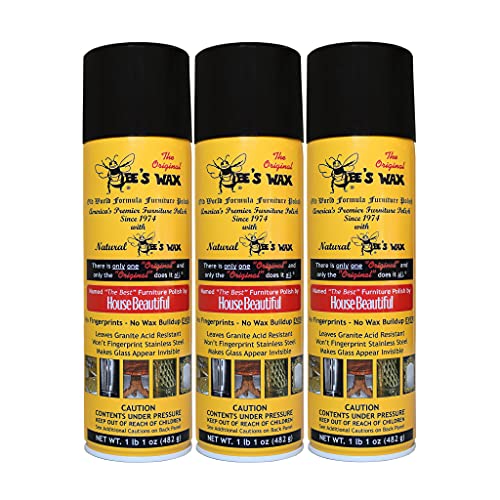


Restoration Techniques for Neglected Wooden Items
I recommend using a mixture of natural oils for nourishment. Combine equal parts of mineral oil and lemon oil. Apply the blend with a soft cloth, rubbing it into the surface gently. This process creates a barrier against moisture loss while adding a subtle sheen.
Cleaning and Preparation
Ensure the surface is free of dust and debris before applying any treatments. Use a damp microfiber cloth to wipe down the piece. For stubborn stains, a solution of warm water and mild soap can be utilized. Always follow up with a dry cloth to prevent further moisture absorption.
Sealing and Protecting
After nourishing, consider sealing the item with a quality product like beeswax or a dedicated polish. This provides a protective layer, enhancing the appearance and longevity. Apply sparingly, ensuring even coverage, and buff to achieve a smooth finish.
Regular maintenance, such as dusting and occasional reapplication of oils, will keep your treasured pieces looking their best. This ongoing care can significantly prolong the life of these items, allowing them to maintain their character and charm.
Identifying Signs of Dryness in Wooden Pieces
Check for small cracks or splits on the surface; these often indicate a lack of moisture. Pay attention to any rough spots that may not feel smooth to the touch. Changes in color, especially areas that appear faded, can also signal that the material is in need of treatment.
Surface Texture and Appearance
Run your fingers across the surface. If it feels coarse or sandy, the lack of hydration has likely affected its texture. Look for dull spots that do not reflect light well. A significant loss of sheen may suggest that the finish has been compromised.
Structural Integrity
Examine joints and connections for looseness or warping. If a piece seems unstable or wobbly, it can be a sign that it is suffering from excessive dryness. Listen for creaking noises when moving drawers or doors; this can also indicate a problem with moisture levels.
Choosing the Right Wood Conditioner for Your Furniture
Select a conditioner that suits the type of material you are treating. For oak, cherry, or walnut, look for products that are specifically formulated for those varieties. Avoid using the same conditioner across different types; instead, match the formula to the specific species to achieve the best results.
Consider the finish you desire when selecting a conditioning agent. Some products give a matte finish, while others enhance gloss. Carefully review the label, as some treatments may darken the surface. Testing on an inconspicuous area is crucial before full application.
Ingredient transparency is important. Opt for brands that disclose their components fully. Natural oils like tung or linseed can yield excellent results, providing hydration without harmful chemicals. If you prefer synthetic options, choose those low in volatile organic compounds (VOCs).
The application method also plays a role in your selection. Wipe-on conditioners may be easier to apply for beginners, while spray-on types can reach intricate corners swiftly. Ensure that whichever application method you choose allows for even distribution.
Lastly, price does not always equate to quality. Many affordable conditioners perform exceptionally well. Review user feedback and ingredient quality to make an informed decision.
| Conditioner Type | Best For | Finish Type | Ingredients |
|---|---|---|---|
| Natural Oil | Cherry, Walnut | Matte | Tung Oil, Linseed Oil |
| Synthetic | Oak, Maple | Gloss | Low VOCs |
| Wipe-On | General Use | Varies | Blend of Oils and Waxes |
| Spray-On | Intricate Details | Depends on Formula | Various Chemicals |
Preparing the Surface for Treatment
Before applying any product, I ensure the surface is clean. I take a soft cloth and gently wipe away dust and dirt. For stubborn stains, a mixture of mild soap and water works well; just be cautious not to oversaturate the material.
Next, I inspect for any loose finishes or peeling layers. I carefully scrape these areas with a plastic scraper or putty knife to avoid gouging the underlying material. This step is vital for creating a smooth surface that allows treatments to penetrate effectively.
If there are any scratches or dents, I opt for fine-grit sandpaper. I lightly sand the affected spots, always following the grain. This not only helps to level the surface but also provides better adhesion for conditioners and oils.
Once the sanding is complete, I wipe everything down again with a damp cloth to remove any sanding dust. Allow the surface to dry completely before moving forward with any conditioning or restoration products, ensuring the best result.
Applying Wood Conditioner: Techniques to Use
Before applying any product, ensure the surface is clean and free of dust. I recommend using a soft cloth to wipe the area gently. Next, gather your materials and choose a suitable conditioner that aligns with the type of finish on the item you’re treating.
Application Techniques
- Test Area: Always conduct a patch test in an inconspicuous spot to check for any adverse reactions or color changes.
- Use a Soft Cloth or Brush: I opt for a lint-free cloth or a natural bristle brush for an even application. Apply the conditioner in the direction of the grain to promote absorption.
- Layering Approach: Apply a thin layer and allow it to penetrate for about 15-20 minutes. If I notice that the surface absorbs the conditioner quickly, I layer on additional applications.
- Rub In Gently: Massage the conditioner into the surface lightly. I avoid excessive pressure to prevent damage.
Final Steps
After allowing the conditioner to absorb for the recommended time, I use a clean, dry cloth to remove any excess product. Allow the piece to sit undisturbed for at least a few hours, or overnight, before using it again. Regular upkeep ensures the longevity of the treatment.
Restoring Shine with Oils and Waxes
I recommend using natural oils, such as linseed or tung oil, to enhance the luster of your pieces. Apply a small amount onto a soft cloth and gently rub it into the surface using circular motions. This method not only brings back the shine but also nourishes the material, penetrating and revitalizing its fibers.
Choosing the Right Product
For a more polished finish, consider using beeswax or carnauba wax. These products create a protective barrier while imparting a subtle sheen. I usually melt the wax slightly before application; this makes it easier to spread. After applying the wax with a clean cloth, allow it to sit for a few minutes before buffing it to a soft glow with another cloth.
Application Techniques
When working with oils or waxes, less is often more. Start with a small quantity, as it’s easier to add more than to remove excess. I advise working in sections, especially on larger surfaces, to ensure even coverage. For best results, use a fine-grit sandpaper to lightly scuff the surface prior to application–this prepares it by removing any old residue or build-up, allowing the oils or waxes to adhere better.
After achieving the desired sheen, maintain the finish with a regular application of wax or oil, as this prolongs both the shine and the protective measure against environmental factors.
Using Heat to Revive the Wood Grain
Apply gentle heat to the surface with a hairdryer set to low. Keep it at a distance of about 6 inches to avoid overheating. Move the dryer continuously over the area to warm the fibers evenly, allowing the natural oils to absorb better.
For deeper restoration, use a heat gun on a low setting. Hold it approximately 12 inches away, focusing on one section at a time. The warmth opens the pores, facilitating the absorption of oils or conditioners applied afterward.
Test the technique on a small, inconspicuous area first. This ensures there’s no adverse reaction to the heat. Monitor the progress closely; too much heat can cause damage or discoloration.
A soft cloth can be used to buff the surface lightly post-application, enhancing the finish and helping to restore the luster effectively.
Consider placing a damp cloth over the area before applying heat. This method helps to introduce moisture while you warm it, improving the overall revitalization process.
Lastly, avoid using direct flames or very high temperatures, as they can lead to severe damage. Always prioritize a gentle approach for the best results.
Sealing the Wood After Restoration
After completing the restoration process, it’s vital to seal the surface to lock in moisture and provide protection against future damage. I recommend using a quality sealer or finish that complements the type of material you are working with.
- Choose the Right Sealer: Pick a product that matches the desired finish–oil-based or water-based options are available. Oil-based sealers tend to provide a deeper finish, while water-based varieties dry faster.
- Application: Use a high-quality brush or a foam applicator for an even coat. Begin applying at one end and work your way to the other to prevent overlaps. It’s essential to follow the grain of the material for the best results.
- Multiple Coats: One coat may not provide adequate protection. Apply at least two or three coats, allowing ample time for each layer to dry completely. This ensures a robust seal.
- Sanding Between Coats: Lightly sand the finish with fine-grit sandpaper between applications. This creates a smooth surface and aids adhesion of subsequent layers.
- Final Cure Time: Once the final coat is applied, let it cure as recommended by the manufacturer. This ensures maximum durability and protection.
By taking these steps, I can safeguard my revitalized items against wear and weather, enhancing their longevity and maintaining their appearance.
Maintaining Moisture Levels in Wood Furniture
Regularly monitor humidity levels in your environment to prevent excessive moisture loss in your pieces. Aim for an indoor humidity range of 40-60%, using a hygrometer to keep track. If the air is too dry, consider using a humidifier to introduce moisture into the atmosphere.
Position your antiques and crafted items away from direct sunlight, heating vents, or radiators, which can cause the material to lose its natural humidity rapidly. Instead, opt for shaded areas with consistent temperatures.
Implement a routine of applying a suitable conditioner or oil every few months. This process nourishes the material and helps retain moisture, preventing the likelihood of splitting or cracking. Choose products specifically designed to revitalize and protect the surfaces.
Regular dusting with a slightly damp cloth can also contribute to maintaining optimal moisture levels. This not only cleans surfaces but subtly adds a small amount of humidity, creating a more stable condition for the structures.
Consider localized treatments if you notice any specific areas that appear more neglected. A targeted application of rejuvenating agents can help maintain uniform moisture levels across the entire surface.
Tips for Long-Term Care of Revived Furniture
Regularly apply a quality oil or wax to maintain the finish and protect against moisture. I recommend doing this every three to six months, adjusting based on the humidity level in your environment.
Maintain a stable climate; avoid placing items in direct sunlight or near heating vents. Use a humidifier in dry seasons to help maintain moisture levels in the air.
Dust surfaces weekly with a microfiber cloth to prevent dirt buildup. This simple task helps maintain clarity and shine without damaging the finish.
Consider using coasters and placemats consistently to protect surfaces from scratches and heat. This small action can prevent significant damage over time.
If possible, reposition heavy items periodically to prevent uneven pressure on the material that could lead to warping or indentations.
Inspect regularly for any signs of wear or damage. Early intervention can prevent minor issues from escalating, saving both time and expense.
When cleaning, always opt for pH-balanced solutions. Harsh chemicals can strip the surface and diminish its luster.
Avoid excessive moisture during cleaning. Lightly dampen cloths rather than soaking the surface, ensuring that liquids do not seep into joints or seams.
Store pieces in a cool, dry place when not in use. Shielding them from extreme temperature fluctuations will prolong their lifespan.
Educate yourself about specific maintenance requirements for different materials. Each type has unique needs that can enhance durability and appearance.
FAQ:
What are some signs that my wood furniture is dry?
Dry wood furniture often exhibits several visible signs. Look for cracks or splits in the wood surface, a lack of luster or shine, and a rough texture that feels coarse to the touch. If the furniture absorbs water quickly during cleaning, it may also indicate dryness. Additionally, any noticeable changes in color, such as dullness or fading, can signal that the wood is losing its moisture content.
Can I use oil to restore dry wood furniture?
Yes, using oil can be an effective method to restore dry wood furniture. Popular choices include mineral oil, lemon oil, or flaxseed oil. These oils penetrate the wood, helping to replenish lost moisture and enhance its natural beauty. To use, apply a small amount of oil to a soft cloth and rub it into the wood in the direction of the grain. Allow it to absorb for a few minutes before wiping off any excess with a clean cloth.
Why is it important to revive dry wood furniture?
Reviving dry wood furniture is important for several reasons. First, it helps maintain the structural integrity of the furniture, preventing further damage such as cracking and splitting. Second, treating dry wood can enhance its appearance, restoring the rich colors and textures that make it visually appealing. Lastly, regular maintenance can prolong the life of your furniture, ensuring you can enjoy it for many years to come without the need for costly repairs or replacements.
What household items can I use to revive dry wood furniture?
Several household items can effectively revive dry wood furniture. Olive oil and vinegar can create a natural wood polish when mixed in equal parts. Alternatively, a mixture of beeswax and mineral oil can also serve as an excellent conditioner. For a simple solution, a damp cloth can help remove dirt and grime, making the wood appear healthier. Always test any solution on a small, inconspicuous area first to ensure it does not damage the finish.
How often should I treat my wood furniture to keep it from drying out?
The frequency of treating wood furniture depends on the environment and the type of wood. Ideally, you should apply a protective treatment every 6 to 12 months. If your furniture is placed in a dry or heated area, you may need to treat it more frequently. Regular dusting and avoiding direct sunlight can also help in maintaining the moisture level. Observing the condition of your furniture regularly will guide you on when it needs attention.
What steps should I take to revive dry wood furniture?
To revive dry wood furniture, begin by cleaning the surface thoroughly with a soft cloth to remove dust and dirt. Next, apply a wood conditioner or a mineral oil, which helps to penetrate the wood and restore moisture. Allow the conditioner to soak in for a few hours or overnight. Afterward, polish the surface with a clean cloth to achieve a shine. If necessary, you can repeat this process periodically to maintain the wood’s health.


