
 Caleb Turner

Wipe down the surface with a mixture of vinegar and olive oil–this quick solution removes grime and enhances the natural shine of your vintage pieces. Use a soft cloth, applying the mixture in a circular motion, ensuring even coverage without saturating the wood.
For deeper restoration, consider sanding the surface lightly with fine-grit sandpaper. This technique eliminates imperfections and prepares the item for conditioning. After sanding, clean the surface with a damp cloth to remove dust before proceeding.
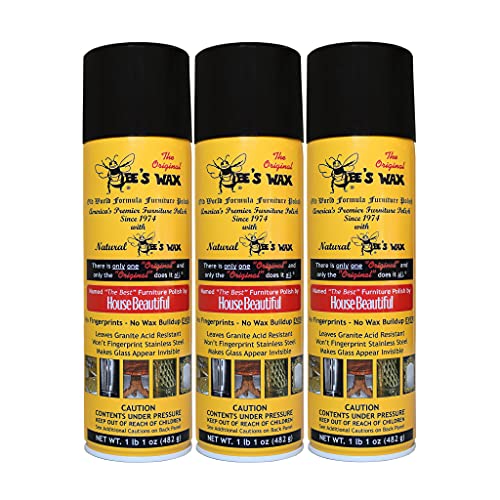
Apply a quality wood conditioner or wax to nourish and protect the finish. This step revives the luster and can add a layer of protection against future wear and tear. Allow it to absorb fully before polishing with a clean, dry cloth, enhancing the character and charm of the antique.
Reviving Antique Timber Creations
Begin with a thorough cleaning using a mixture of warm water and mild soap. Dampen a soft cloth and gently wipe the surface to remove dust and grime. Avoid soaking the wood; excess moisture can cause damage.


Assessing Condition
Examine the piece closely for scratches or blemishes. For minor imperfections, use fine-grade sandpaper to smooth the area. Always sand in the direction of the grain to preserve the natural look.
Enhancing Appearance
Consider applying a natural oil, such as linseed or tung oil. This nourishes the grain and restores its luster. Apply a thin layer with a clean cloth, allowing it to absorb for several minutes before buffing off any excess.
- Test on a small, inconspicuous area first.
- Maintain application every six months for ongoing care.
For deeper scratches, a wax filler can be effective. Choose a color that matches the original finish closely, then apply with a putty knife. Wipe off excess wax to keep edges sharp.
- Allow wax to dry according to package instructions.
- Buff gently with a soft cloth for a seamless finish.
Finally, consider re-staining if the color has faded significantly. Use a non-toxic stain and follow up with a protective topcoat for longevity.
Assessing the Condition of Your Furniture
Check for structural integrity first. Gently shake the piece to identify any wobbling or instability in joints and legs. Look closely at the corners and connections; loose parts should be tightened or glued as needed.
Surface Evaluation
Examine the exterior for scratches, dents, or discoloration. Use a damp cloth to clean the surface and reveal any hidden imperfections. Test different areas with a small amount of mineral spirits to see if the finish is still intact or if it requires removing and reapplying.
Identifying Pests
Inspect for signs of insects, such as small holes or dust near joints. If detected, consider treatment options to eliminate the infestation before proceeding with further restoration. Proper identification of the issue is critical for effective intervention.
Choosing the Right Cleaning Products
For tackling grime and enhancing the appearance of vintage pieces, selecting the appropriate cleaning agents is paramount. I opt for natural solutions like olive oil mixed with white vinegar, which cleans and nourishes surfaces without the risk of damage. Avoid abrasive cleaners or those containing ammonia, as they can strip finishes and harm the integrity of the material.
| Product Type | Recommendation | Notes |
|---|---|---|
| All-Purpose Cleaners | pH-balanced, non-toxic | Test in inconspicuous areas first |
| Polish | Beeswax or natural oils | Avoid silicone-based products |
| Stain Removers | Baking soda paste | Gentle yet effective on stubborn marks |
| Sponges | Microfiber cloths | Soft and non-abrasive, ideal for delicate finishes |
I also incorporate homemade solutions for regular maintenance. A mix of lemon juice and olive oil brings great results, providing shine while minimizing the harsh chemical exposure for my cherished pieces. Regular dusting with a soft cloth keeps surfaces clear of particles, ensuring any deeper cleaning does not scratch the finish. This combination keeps the aesthetics intact while sustaining the material’s longevity.
Removing Old Finish and Paint
I recommend using a chemical stripper designed for removing finishes. Apply a generous amount with a brush, ensuring even coverage. Allow it to sit for the time specified by the manufacturer. Observe the surface; once the finish bubbles or looks softened, it’s time to scrape. Use a plastic scraper to avoid damaging the underlying material.
If the surface has multiple layers of paint or finish, a second application may be necessary. For stubborn spots, use steel wool soaked in the stripper to gently scrub them away. Always test the removal method in an inconspicuous area to assess how the material responds.
After ensuring all finish is lifted, wash the item with warm, soapy water to neutralize any chemicals. Rinse thoroughly and let it dry completely before proceeding with any refinishing processes.
For more control and to reduce chemical exposure, consider sanding. Start with medium-grit sandpaper to remove the bulk of the finish. Progress to finer grits for a smooth surface. Always sand in the direction of the grain, using a hand sander or sanding block for consistent pressure.
When opting for heat, a heat gun can effectively soften old finishes. Hold it a few inches away and keep it moving to prevent scorching the material. Once softened, use a scraper to gently lift the finish away.
Safety is paramount. Always wear gloves, goggles, and a mask to shield yourself from fumes and dust. Ensure you work in a well-ventilated area or outdoors.
Repairing Scratches and Dents
For minor scratches, I blend equal parts of vinegar and olive oil, applying it with a soft cloth. This natural solution not only helps to fill in the scratch but also nourishes the surface over time. For deeper marks, a wax crayon matching the color of the piece can effectively conceal imperfections; I rub it directly into the scratch, then buff with a clean cloth.
To address dents, I use a method involving steam. I place a damp cloth over the dent, then apply a heated iron for a few seconds. The steam causes the wood fibers to swell, often restoring the contour. It’s crucial not to oversaturate or overheat, as this can cause further damage.
If the dent doesn’t completely disappear, I apply wood filler that closely matches the finish. After it dries, I sand it lightly for an even surface and finish with polish suitable for the type of coating used. This restores the piece’s integrity and appearance.
Regular maintenance of these areas is also key. I make a habit of checking for new scratches or dents and addressing them immediately to keep the surface looking pristine.
Applying Wood Stain for a Fresh Look
Select a high-quality stain suitable for the type of timber you are treating. Liquid stains, gel stains, or oil-based options offer distinct finishes. Test on a small, inconspicuous area to gauge the effect before applying to the entire structure.
Prepare the surface by cleaning carefully to ensure effective adhesion. Sand the surface lightly using fine-grit sandpaper to enhance penetration and create an even finish. Clean off dust with a damp cloth, allowing the surface to dry completely.
| Type of Stain | Base | Finish | Drying Time |
|---|---|---|---|
| Liquid Stain | Water-based or Oil-based | Transparent to Semi-Transparent | 1-2 hours |
| Gel Stain | Oil-based | Opaque to Semi-Opaque | 3-4 hours |
| Oil-Based Stain | Oil-Based | Rich, Deep Color | 6-8 hours |
Apply the stain with a clean brush or cloth, following the wood grain for uniform coverage. Work in sections to avoid overlap marks. Allow it to sit for a few minutes before wiping off excess with a clean cloth to achieve the desired shade.
After staining, let it cure based on the manufacturer’s instructions, usually 24-48 hours. For additional protection, consider applying a clear topcoat to seal and enhance the finish, choosing a compatible product for the stain type.
Regular maintenance by using furniture polish can help sustain the fresh look, while avoiding harsh chemicals that might strip the finish. Enjoy the newfound vibrancy of your piece!
Sealing with Varnish or Polyurethane
Choosing between varnish and polyurethane for sealing is crucial. I typically prefer water-based polyurethane for its quick drying time and low odor, especially if the piece is used frequently. Oil-based options offer a robust finish but take longer to dry and have a stronger scent, requiring adequate ventilation during application.
Application Process
Begin by ensuring the surface is clean and free from dust. Using a high-quality brush or applicator, apply a thin coat, following the grain direction. I find that multiple thin coats yield a better finish than one thick application. After each coat dries, lightly sand with fine-grit sandpaper to achieve a smooth surface before applying the next layer. This step enhances adhesion and reduces the risk of bumps or bubbles.
Drying and Curing Times
Allow sufficient drying time as specified by the manufacturer. Generally, water-based products dry in about two hours, while oil-based varieties might take up to eight. However, complete curing can take several days for oil-based finishes. Always abide by these times to ensure a durable seal.
Maintaining Your Revitalized Timber Pieces
Regular dusting with a microfiber cloth keeps surfaces free from abrasive particles. I always avoid using feather dusters, as they can push dust into scratches or crevices.
For thorough cleaning, I mix a solution of warm water and a few drops of mild dish soap. A damp cloth works great for wiping down surfaces, followed by a dry one to eliminate moisture. I’ve found that excessive water can warp the structure, so I stay cautious.
Every few months, applying a specialized wood conditioner helps replenish oils that keep the grain intact. I use a small amount, buffing it in with a soft cloth to maintain a consistent sheen.
Direct sunlight can fade finishes, so positioning them away from bright rays extends the longevity of the appearance. If necessary, sheer curtains or window films help moderate exposure.
To protect from scratches, I use felt pads under decorative items and furniture legs. This simple action prevents marks that could accumulate over time.
When it comes to humidity, a stable environment is important. I maintain a consistent level; extremes can cause cracking or warping. If needed, a humidifier during dry months has proven effective.
Lastly, I recommend avoiding harsh chemicals or abrasive cleaners. Instead, I stick to gentle solutions to maintain the integrity of the finish. Proper care ensures these treasured pieces continue to shine for years to come.
Choosing the Best Techniques for Different Wood Types
Identify the specific type of timber before selecting a restoration approach. Different varieties require tailored methods for optimal results.
- Oak: For oak pieces, a light sanding followed by a quality oil-based stain can enhance the natural grain. Avoid excessive water, as oak absorbs moisture easily.
- Pine: Pine can be revived with a simple washing using mild soap and warm water. After cleaning, applying a polyurethane finish will protect it and highlight its natural beauty. Sand lightly between coats for a smooth finish.
- Mahogany: Use a wood cleaner and soft cloth to remove grime. A dark stain can be applied for a refreshed look, followed by a high-gloss lacquer for an elegant finish.
- Cherry: Cherry develops a rich patina over time. Gently clean with a damp cloth and apply a natural oil finish to maintain its warmth and luster without masking its natural color.
- Maple: Lightly sand the surface, then use a water-based stain for a subtle color enhancement. Finish with a clear coat to preserve its light hue.
- Teak: Teak is naturally oily, requiring minimal maintenance. After thorough cleaning, a teak oil application can enhance its water resistance and restore its sheen.
Test any product on a small, inconspicuous area first to check compatibility and desired results.
Repurposing or Upcycling Furniture
Consider transforming a vintage piece into something new and functional. Here are several innovative ideas:
- Coffee Table to Bench: Cut down an old coffee table and attach cushions to create a stylish bench for your entryway or garden.
- <strong.Dresser to TV Stand: Remove drawers and mount a flat-screen TV on top of a sturdy dresser; this combination provides storage and entertainment space.
- <strong.Nightstand to Plant Stand: Paint an outdated nightstand in a bright color and use it to display your favorite indoor plants.
- <strong.Bookshelf to Open Storage: Repurpose tall bookshelves into open storage units for clothes or art supplies in kids’ rooms by removing shelves and adding baskets.
- <strong.Table to Desk: Transform a dining table into a functional workspace by adding dividers and personalizing the surface with new paint or stain.
Before starting, measure the area where the new creation will reside. This ensures it will fit perfectly within your space. Be mindful of the materials used; sturdy components will guarantee longevity in their new role.
Incorporating bold colors or unexpected patterns can add uniqueness to your revamped pieces. For instance, stenciling or decoupage techniques can infuse personality and charm, making the item not just functional but a true conversation starter.
These transformations not only give a second life to forgotten pieces but also contribute to a more sustainable lifestyle by reducing waste.


